Last updated: April 22, 2026
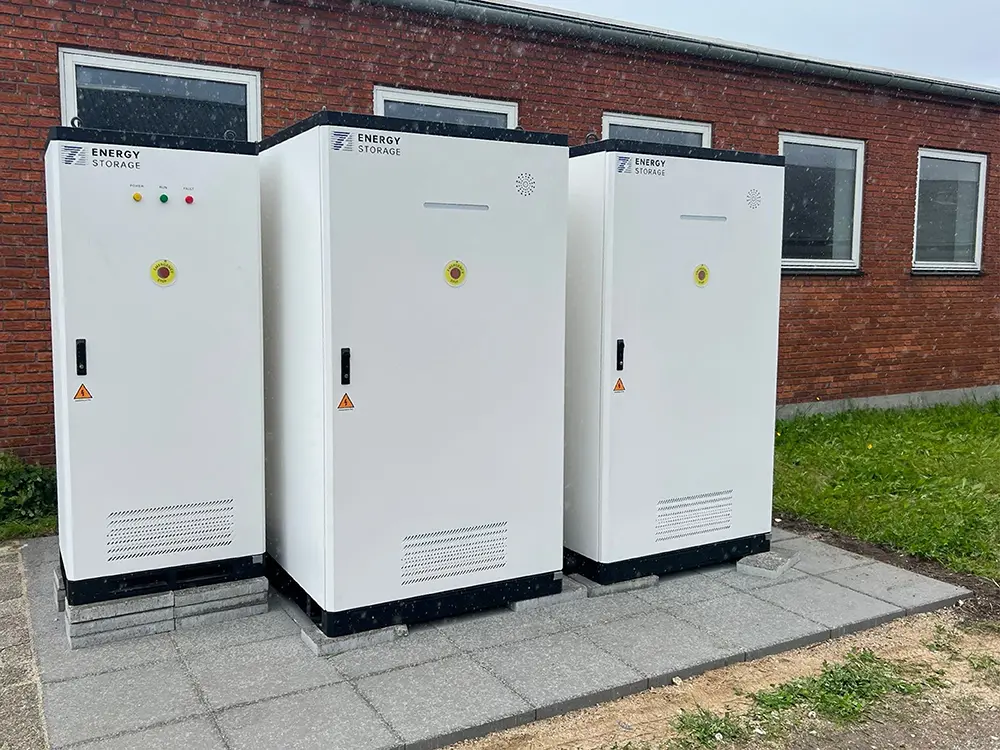
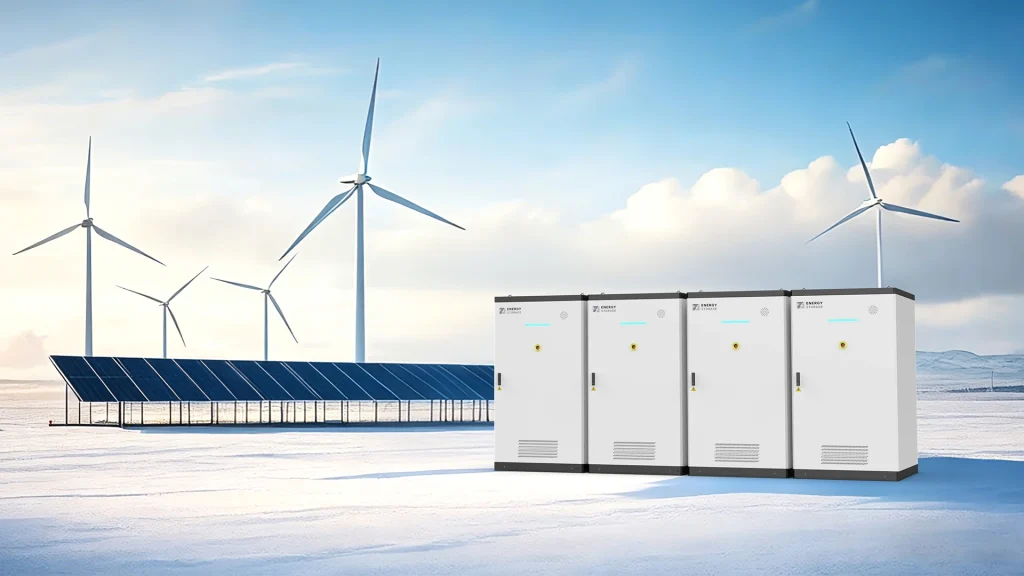
A battery energy storage system is not just a battery cabinet. A complete BESS includes battery cells and modules, a battery management system, a power conversion system, an energy management system, thermal management, protection and metering, and the enclosure or container that makes the system deployable on site.
For buyers, that distinction matters. Two BESS offers with the same kWh rating can behave very differently in the field because real-world outcome depends on controls, conversion, protection, cooling, and data visibility, not just the battery nameplate.
1) Why buyers should understand BESS components
Most disappointing storage projects do not fail because battery technology does not work. They fail because buyers compare only one number: capacity.
That is a mistake.
A BESS is a system. The battery stores energy, but the rest of the architecture decides whether that energy can be delivered safely, consistently, and at the right time. If one layer is weak, the whole project underperforms.
For practical buyers, the goal is simple: do not compare BESS offers by battery capacity alone. Compare the whole system architecture.
2) The 6 core components of a BESS
| Component | What it does | Why buyers should care |
|---|---|---|
| Battery cells/modules | Store energy | Real usable energy, ageing, chemistry, replacement path |
| BMS | Monitors and protects the battery | Safety, balancing, alarms, fault isolation |
| PCS | Converts DC to AC and AC to DC | Real kW delivery, derating, response speed, grid interaction |
| EMS / site controller | Controls charge and discharge logic | Peak shaving, scheduling, export limits, rebound peak prevention |
| Thermal management | Controls operating temperature | Lifetime, performance consistency, derating risk |
| Protection + metering | Safety and measurement | Compliance, interval logs, auditability, reporting |
| Enclosure / container | Houses the system physically | Footprint, spacing, service access, permitting impact |
3) Battery cells and modules: the energy block
The battery block stores energy. This is usually the first number buyers look at because it is the easiest to compare. But battery capacity alone does not tell you how the system will perform on a real site.
What matters in practice is not only installed capacity, but usable capacity over time. Usable energy changes with reserve buffers, efficiency losses, operating temperature, and ageing.
Buyer takeaway: do not stop at chemistry and nameplate kWh. Ask how much usable energy is available under your real operating conditions.
4) What does the BMS do?
The battery management system monitors the battery and keeps it operating within safe limits. In practical terms, the BMS is responsible for visibility and protection.
Typical BMS functions include:
- cell voltage and temperature monitoring
- balancing logic
- fault detection
- shutdown or isolation logic
- event and alarm logging
At buyer level, the BMS should give you confidence in three things:
- the battery is being operated safely
- faults can be identified early
- degradation and alarms are visible rather than hidden
If the BMS is weak, the problem is not only safety. It also becomes harder to trust the system’s actual usable energy and long-term health.
5) What does the PCS do?
The power conversion system converts battery DC power into AC power for the site, and AC back into DC when charging. In simple terms, the PCS is where real power delivery is won or lost.
Buyers should care about the PCS because it affects:
- actual site-side kW output
- response speed
- derating behaviour
- power quality and harmonics
- how the BESS interacts with the grid or site loads
A system can have a large battery and still disappoint in peak shaving if PCS performance is weak or heavily derated. This is why two systems with similar kWh numbers can produce very different field outcomes.
6) What does the EMS do?
The EMS is the decision-making layer. It controls when the system charges, when it discharges, and what limits it follows.
In practical site terms, the EMS manages:
- charge and discharge scheduling
- peak caps
- reserve margins
- export limits
- site-wide coordination logic
This is also where many disappointing projects go wrong. A weak or black-box EMS can create rebound peaks, miss tariff windows, or make savings impossible to verify later because event logs are incomplete.
Buyer check: ask whether you can read and export time-stamped dispatch events, alarms, and interval performance data.
7) Thermal management: why cooling changes performance
Thermal management is not a comfort feature. It is a performance and lifetime feature.
Poor temperature control can lead to:
- power derating in heat
- accelerated ageing
- inconsistent usable energy
- higher downtime risk
Cooling strategy should be reviewed as a core system design choice, especially for outdoor deployment, hot climates, or daily cycling.
Buyer takeaway: cooling is not a minor accessory. It directly affects consistency, lifetime, and safety.
8) Protection, metering, and data visibility
Protection and metering are often underappreciated during early comparisons, but they matter greatly in real projects.
Protection determines whether the system operates safely and in a grid-compliant way. Metering and logs determine whether you can verify what happened later.
Buyers should ask:
- Can I export interval data?
- Can I see alarm history and dispatch events?
- What metering options are included?
- What data remains accessible if I change software vendors later?
A simple rule applies here: if you cannot see the evidence, you cannot confidently validate the result.
9) How these components work together
A BESS only performs as well as its weakest link.
A simple way to think about the architecture is:
Battery → BMS → PCS → EMS / site controller → metering and logs → site loads or grid
Good cells with weak controls still produce weak project outcomes. Good controls with poor thermal design still create reliability problems. A strong BESS is a coordinated system, not a list of independent parts.
10) Common buyer mistakes when comparing BESS components
| Common mistake | What happens | What to do instead |
|---|---|---|
| Comparing only battery kWh | Capacity alone hides real performance differences | Ask for a full component-level scope list |
| Ignoring PCS derating and actual kW output | Real peak-shaving or response performance may be weaker than expected | Confirm real kW output, derating behaviour, and response speed |
| Buying a black-box EMS | Dispatch logic and savings become hard to verify | Require readable logs, time-stamped events, and exportable interval data |
| Underestimating thermal design | Heat can reduce power, usable energy, and lifetime | Review cooling strategy against climate and duty cycle |
| Not asking for logs, alarms, and data exports | There is no reliable evidence for troubleshooting or performance validation | Confirm what data is visible, exportable, and retained |
FAQ
The main components are battery cells and modules, BMS, PCS, EMS or site controller, thermal management, protection and metering, and the enclosure or container.
BMS means battery management system. It monitors and protects the battery, manages charging and discharging limits, and supports safe operation.
PCS means power conversion system. It converts battery DC power into AC power for the site and handles the charging path in reverse.
EMS manages the operating logic: when the system charges, when it discharges, what limits it follows, and how it responds to site or tariff conditions.
Yes. Thermal management is a core system element because temperature directly affects performance, ageing, and safety.
Metering and logs provide the evidence needed for compliance, performance validation, and operational troubleshooting.
Peak shaving depends on the battery, PCS, and EMS working together. The battery provides energy, the PCS delivers power, and the EMS determines whether the system actually responds at the right time.
Sometimes yes, but only if the original architecture supports upgrades or augmentation. Buyers should ask about modular expansion plans and compatibility strategy.
Next step
If you are comparing BESS offers, start by asking for a component-level scope list:
- battery and BMS
- PCS
- EMS
- thermal strategy
- protection
- metering
That single checklist often reveals whether two offers are truly comparable.
References
- Sandia National Laboratories, Energy Storage Management Systems. Accessed: April 2026.
- Sandia National Laboratories / EPRI, Energy Storage Data and Submission Guidance. Accessed: April 2026.
- U.S. Department of Energy, Battery Energy Storage System technical resources and reports. Accessed: April 2026.
- National Renewable Energy Laboratory (NREL), Grid-Scale Battery Storage: Frequently Asked Questions. Accessed: April 2026.
- National Fire Protection Association (NFPA), Energy Storage Systems resources. Accessed: April 2026.