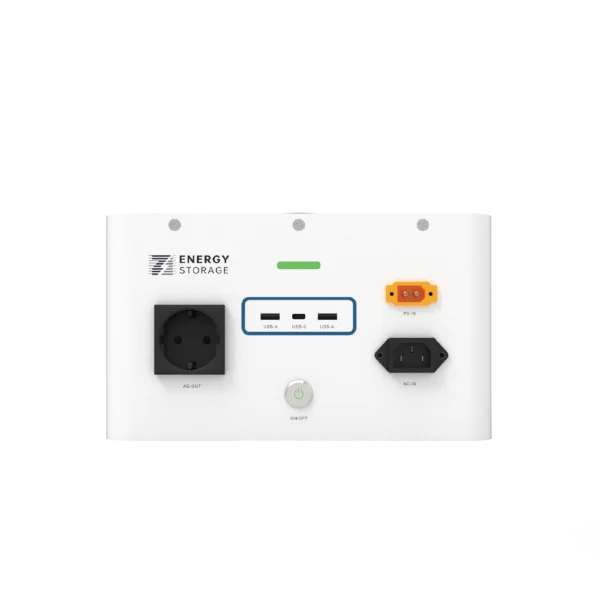
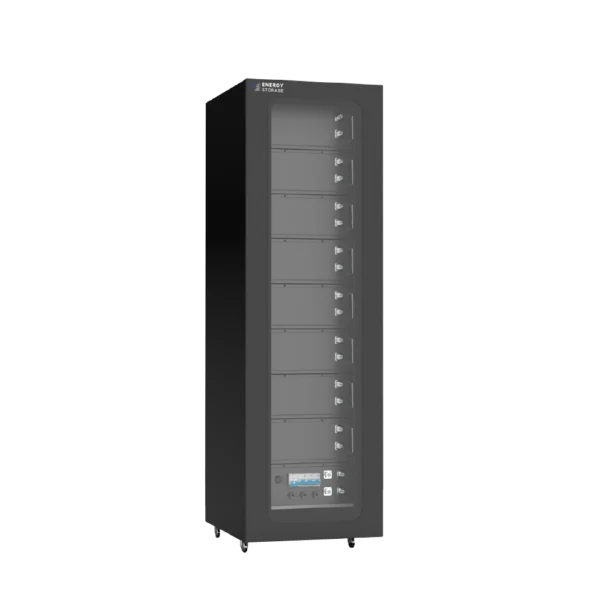
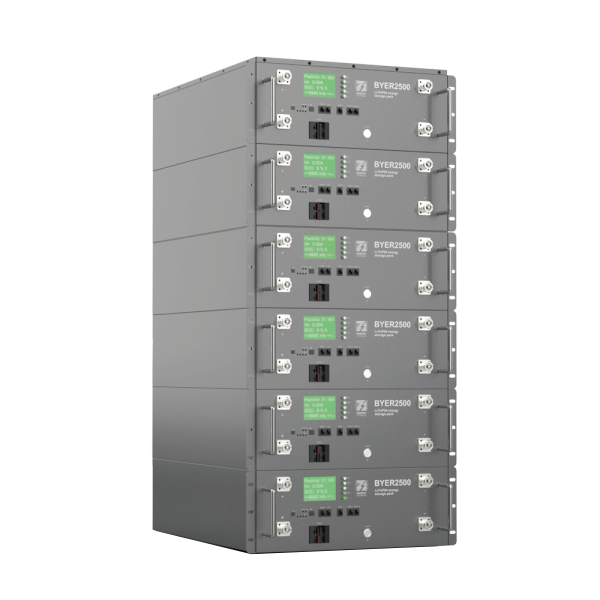
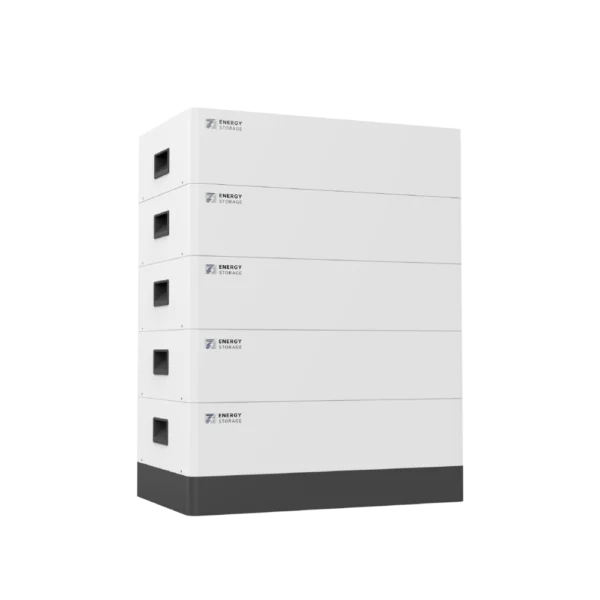
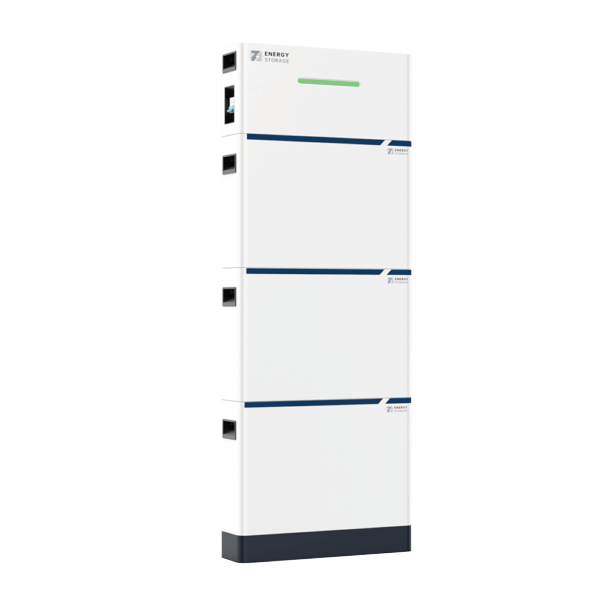
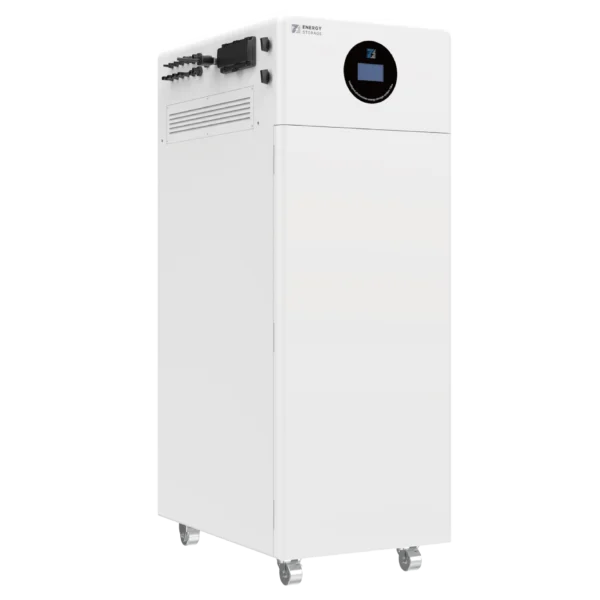
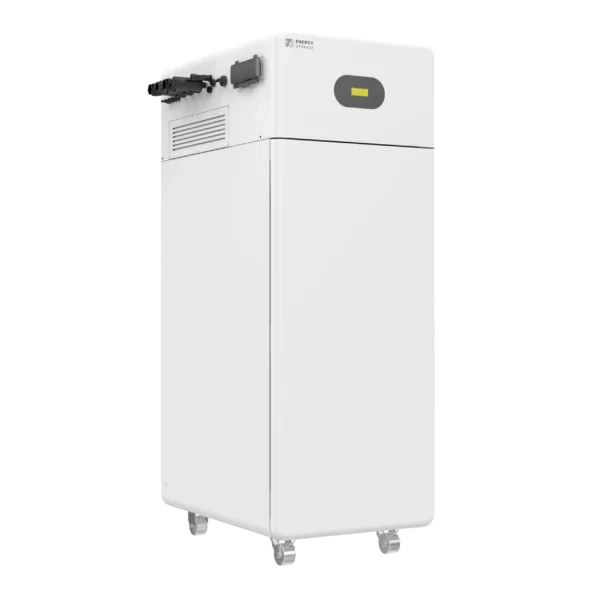
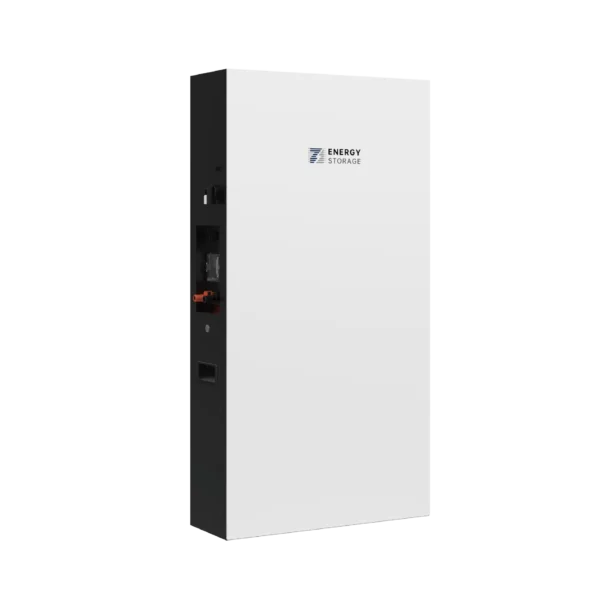
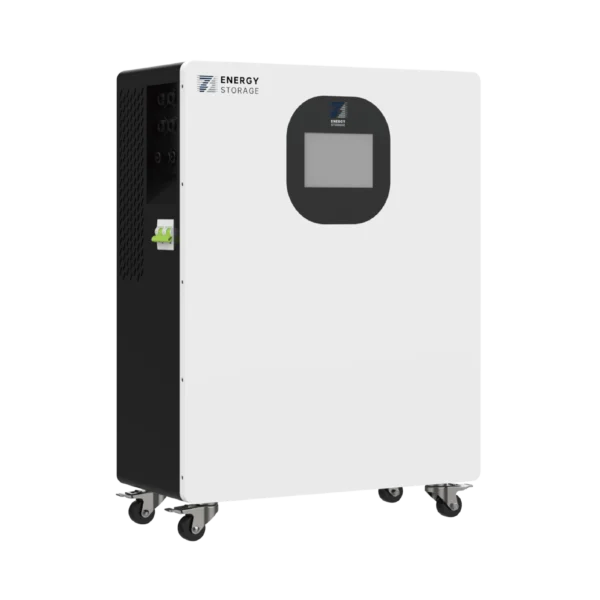
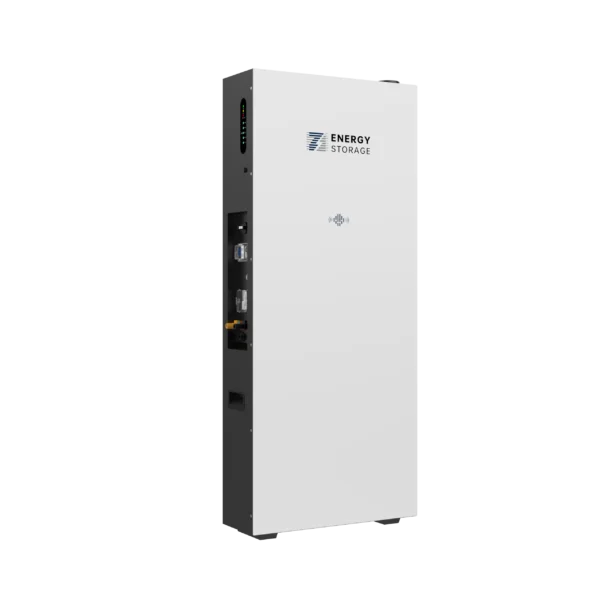
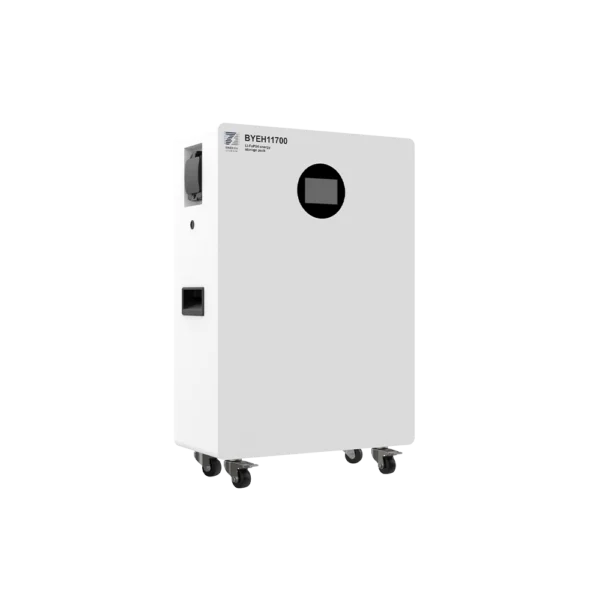
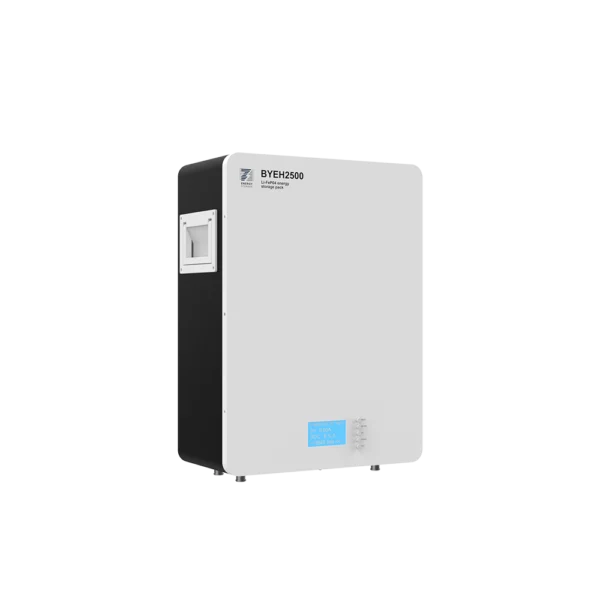
The PVB Residential PV-ESS-EV Solution includes rooftop solar panels for home, home energy storage systems, and AC EV chargers, providing a comprehensive and integrated approach to residential energy management.

PVB specializes in providing superior safety and easy-to-install residential energy storage systems, making them ideal for homeowners transitioning to solar energy. Our offerings include various battery storage for home, ensuring efficient and reliable energy management.
PVB offers low-voltage residential energy storage systems ranging from 2.66kWh to 5.12kWh*15, while our high-voltage residential storage covers from 3.99kWh to 7.83kWh*10.
Whether it’s meeting everyday household electricity needs or providing storage solutions for solar energy systems, our residential energy storage systems deliver stable and reliable power. With our advanced battery storage for home technology, users can efficiently utilize renewable energy and reduce electricity costs.
High IP Rating
IP54 ensures high safety.
Flexible
Module design for easy transformation.
A-Grade LifePO4 Battery
High-grade battery for good quality.
Strong Compatibility
Compatible with multi-brand and multi-model inverters.
Heat Dissipation
Large heat dissipation area, natural cooling system.
5 Years Guaranteed
Up to 5-year warranty.
PVB has strong R&D strength and technical reserves and is committed to providing residential energy storage solutions.
PVB's core products, integrated with an energy management system, have passed the authoritative certification of TUV, CE, INMETRO, VDE, and other international institutions.
PVB provides all-round and integrated services, actively carrying out one-to-one customer training and communication activities, including on our home energy storage system.
The PVB Residential PV-ESS-EV Solution includes rooftop solar panels for home, home energy storage systems, and AC EV chargers, providing a comprehensive and integrated approach to residential energy management.
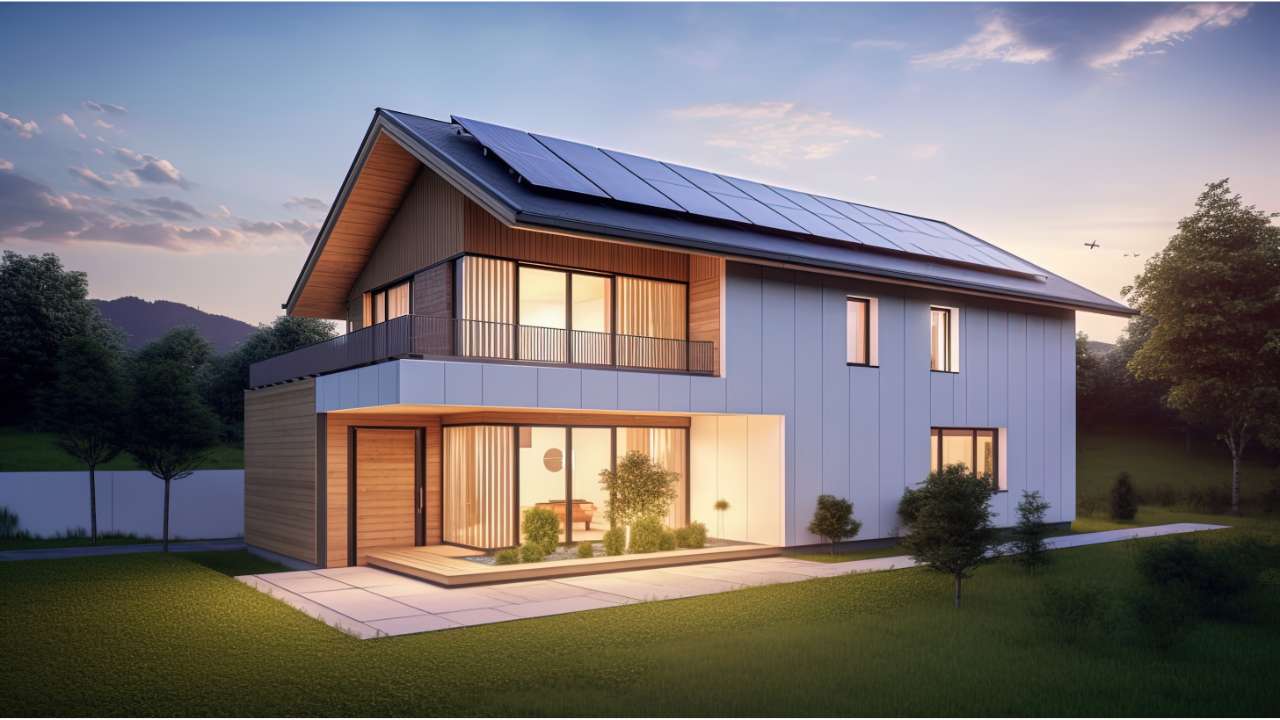
In a residential ESS-PV-EV solution, the primary role of the rooftop solar panels for home is to directly convert sunlight into electricity, serving as the core power source of the system. PVB provides free services from residential solar panel installers.
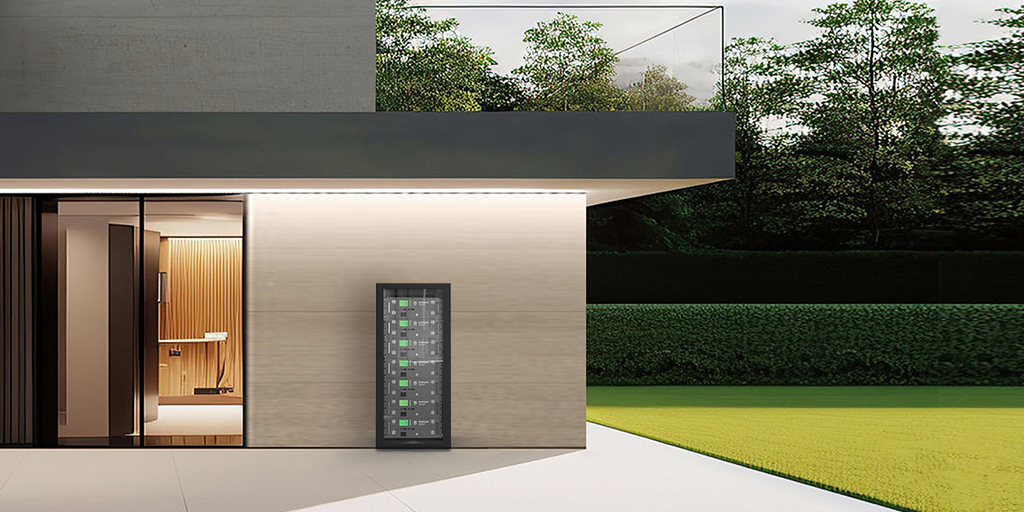
PVB residential battery storages can efficiently store solar energy, and provide stable energy support when demand peaks or cannot generate electricity.
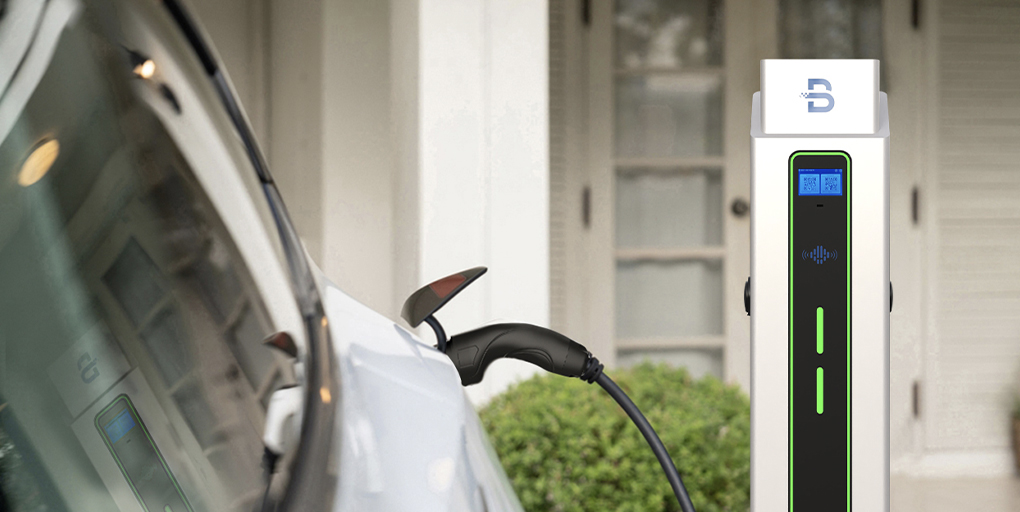
EV chargers can intelligently adjust the charging rate based on household energy production and electric vehicle battery status, maximizing the use of renewable energy. It can be seamlessly connected with the energy manager provided by the residential energy storage manufacturer.
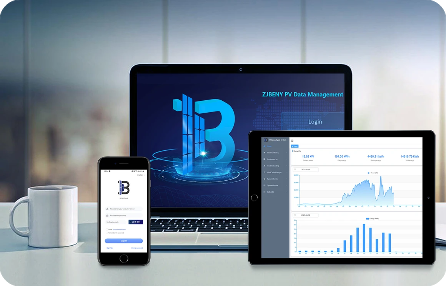
The PVB smart Energy Management Unit (EMU) can monitor energy consumption, provide users with detailed energy usage reports and suggestions, and help users better understand and manage energy consumption.
Residential energy storage helps homeowners store electricity from solar PV or the grid and use it when needed. It can support backup power during outages, increase solar self-consumption, reduce reliance on grid power where possible, and improve control over household energy use.
Backup Power
Support essential home loads during outages.
Solar Self-Consumption
Store daytime solar energy for later use.
Energy Cost Control
Use stored energy during higher-rate periods where applicable.
Energy Independence
Improve control over how home energy is generated, stored, and used.
A home solar battery storage system stores excess electricity generated by rooftop solar panels or available grid power. When solar production is low, electricity rates are higher, or backup power is needed, the battery can discharge to support household loads. This helps homeowners use stored energy more efficiently across different daily scenarios.
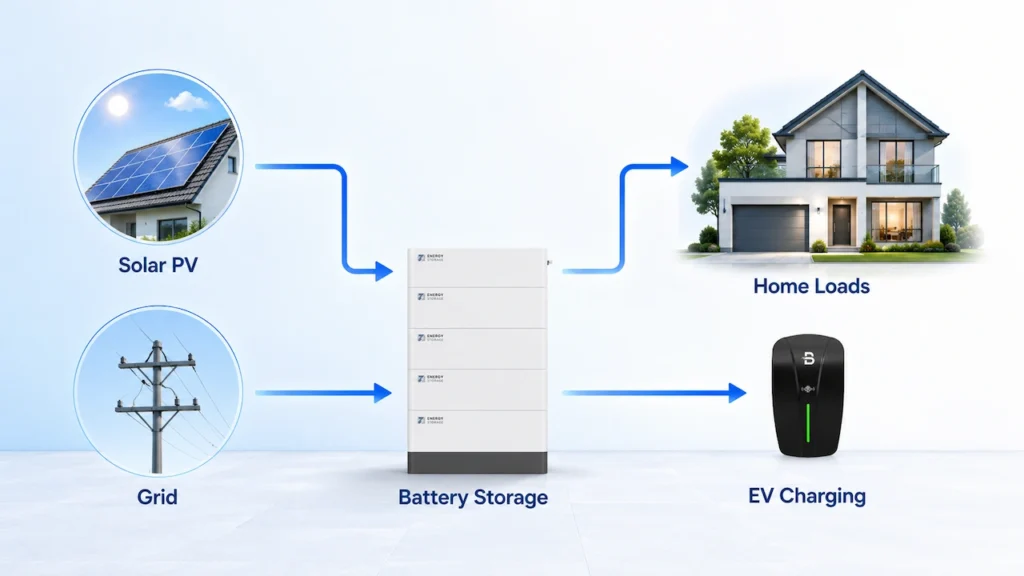
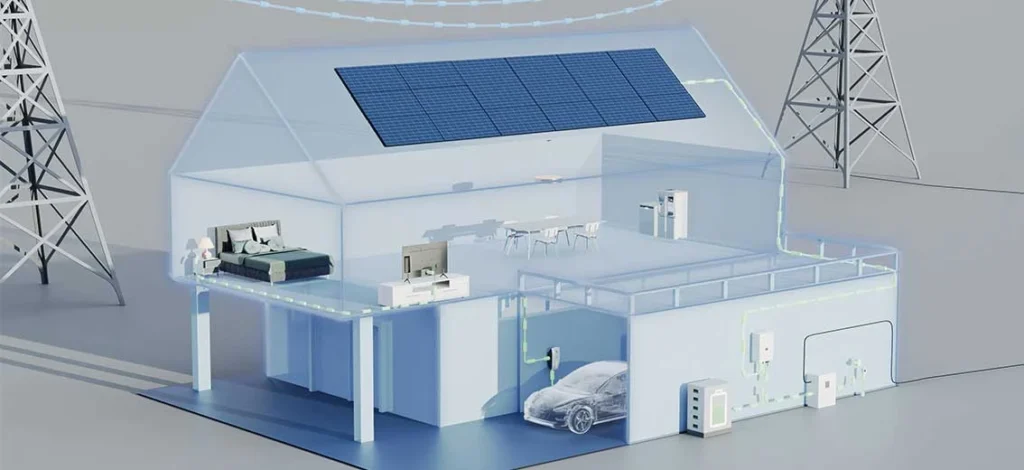
A residential PV-ESS-EV solution connects rooftop solar panels, home battery storage, smart AC EV chargers, and energy management into one coordinated home energy system. Solar PV generates electricity, the battery stores energy for later use, EV chargers support home charging, and the energy management unit helps monitor and coordinate household energy consumption.
Rooftop Solar PV
Generate clean electricity for the home.
Home Battery Storage
Store solar or grid electricity for later use.
Smart AC EV Charger
Support EV charging based on household energy conditions.
Energy Management Unit
Monitor energy use and improve household energy visibility.
Grid Connection
Provide supplemental power when needed.
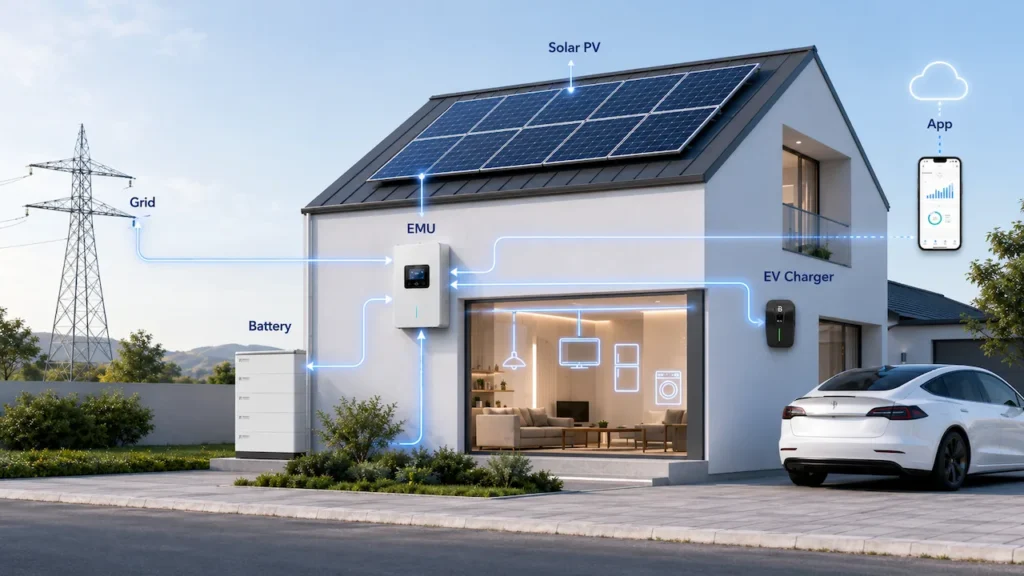
The right residential battery storage capacity depends on household electricity consumption, solar generation, backup power needs, available installation space, and future expansion plans. PVB offers low-voltage and high-voltage residential storage options to support different home energy scenarios, from daily solar self-consumption to larger home backup and PV-ESS-EV applications.
| Home Need | Recommended Focus | Why It Matters |
|---|---|---|
|
Daily solar self-consumption |
Modular low-voltage storage |
Store daytime solar for evening use |
|
Backup for essential loads |
Reliable battery capacity |
Keep key appliances running during outages |
|
Larger home energy use |
High-voltage storage option |
Support higher energy demand |
|
PV + EV charging |
Storage + smart AC charger |
Coordinate solar, battery, and EV charging |
|
Future expansion |
Modular design |
Add more capacity as needs grow |
PVB’s smart Energy Management Unit helps users monitor household energy consumption, view system status, and better understand how solar power, battery storage, grid power, and EV charging work together. With real-time monitoring and energy usage reports, homeowners can manage home energy more clearly and efficiently.
View system status and energy use.
Understand household energy consumption patterns.
Monitor solar, battery, grid, and EV charging.
Improve visibility and daily energy management.
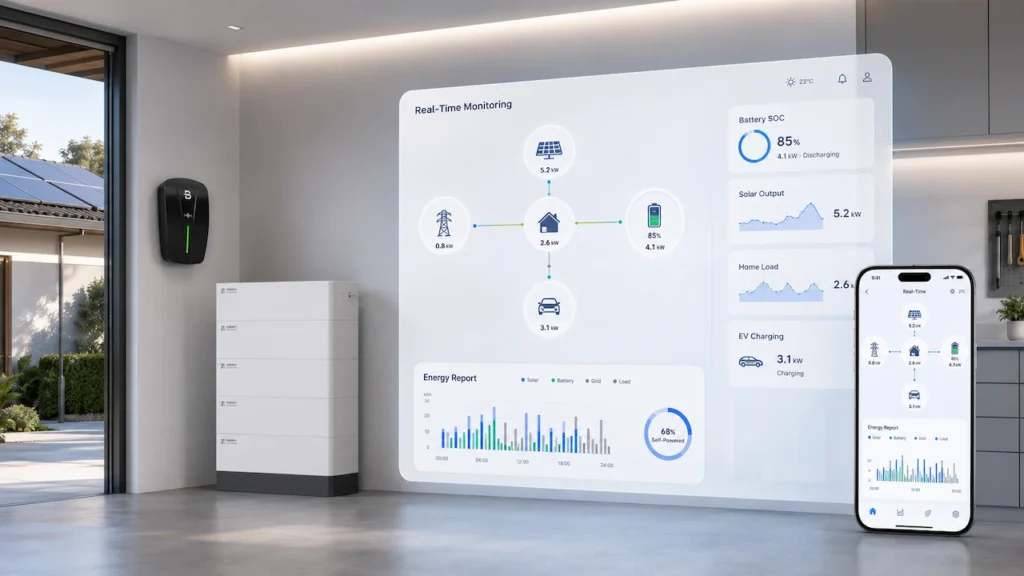
Home battery storage can help support essential household loads during power outages, depending on system capacity, backup configuration, and load priority. For homes with solar PV, battery storage can also store daytime solar energy for use at night, during cloudy weather, or when grid power is unavailable.
Outage Support
Help power essential home loads during outages.
Load Priority
Reserve stored energy for key appliances.
Solar Backup
Use stored solar energy when PV generation is unavailable.
Daily Resilience
Improve home energy security and comfort.
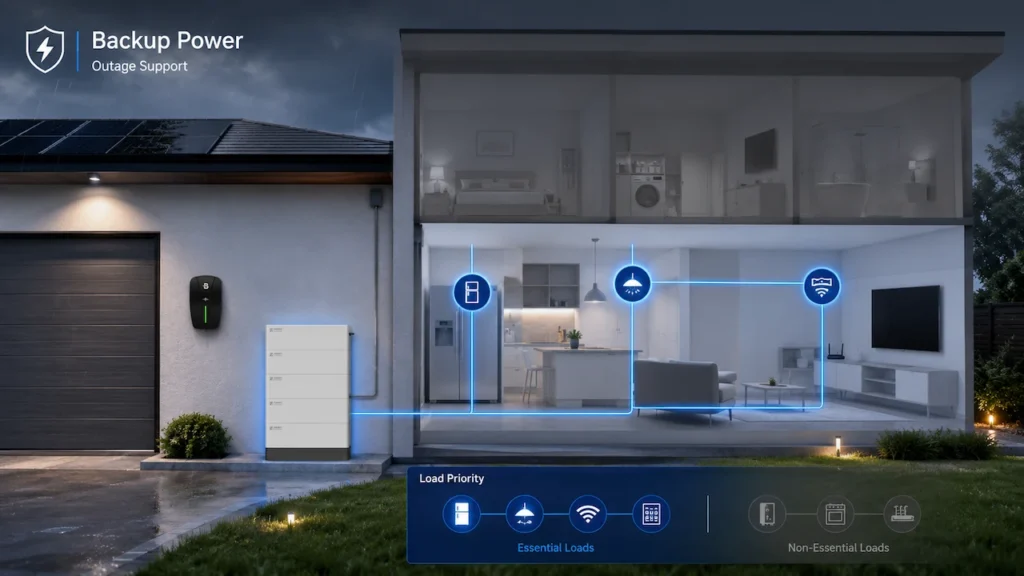
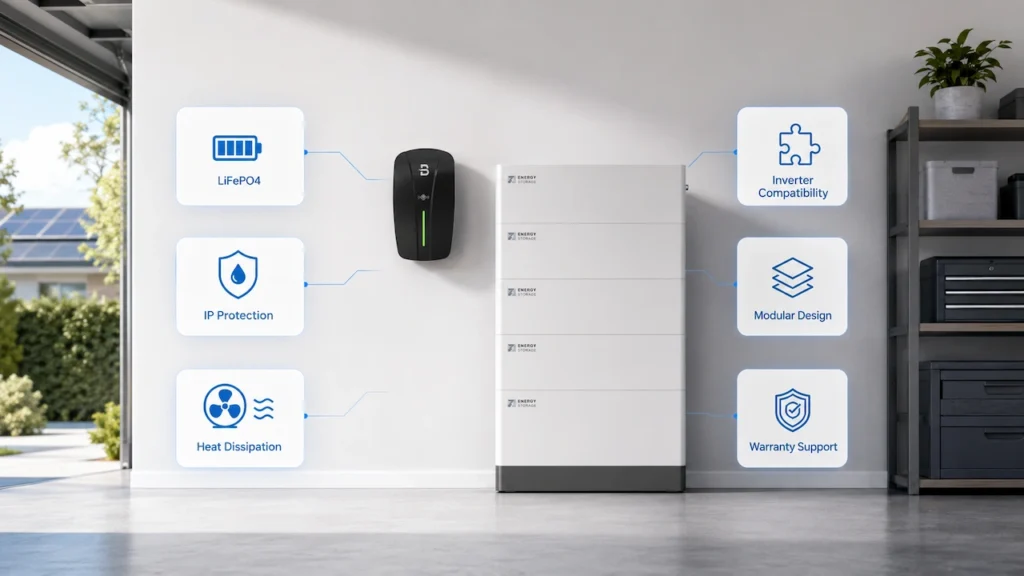
Residential battery systems need reliable battery chemistry, proper protection, thermal management, inverter compatibility, and safe installation. PVB residential energy storage systems are designed with LiFePO4 battery technology, IP-rated protection, natural heat dissipation, modular flexibility, and compatibility with multi-brand inverter systems.
Designed for stable and reliable residential energy storage.
Support safer operation in suitable installation environments.
Help maintain system stability.
Compatible with multi-brand and multi-model inverters.
Support flexible capacity configuration.
Provide warranty support according to product terms.
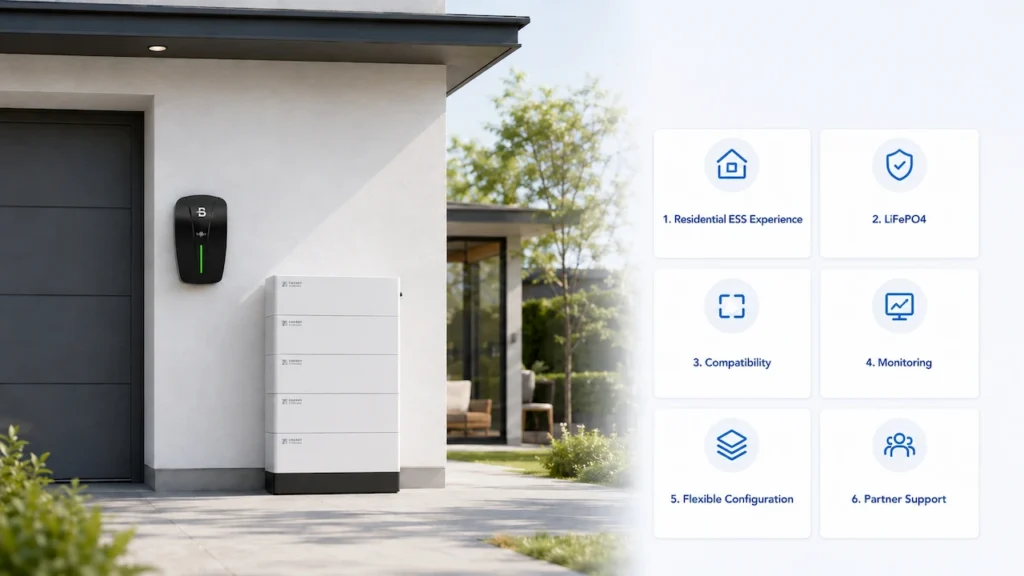
PVB provides residential energy storage solutions designed for real home energy needs, including solar self-consumption, backup power, smart monitoring, and PV-ESS-EV integration. With modular battery options, LiFePO4 technology, inverter compatibility, and flexible system configurations, PVB supports homeowners, installers, and distributors in building safer and more reliable home energy systems.
Solutions for home solar storage, backup power, and PV-ESS-EV applications.
Designed for stable daily charge and discharge use.
Support compatibility with selected mainstream inverter systems.
Real-time system visibility through EMU and APP.
Low-voltage, high-voltage, wall-mounted, stacked, rack-mounted, and all-in-one options.
Support homeowners, installers, distributors, and project partners.
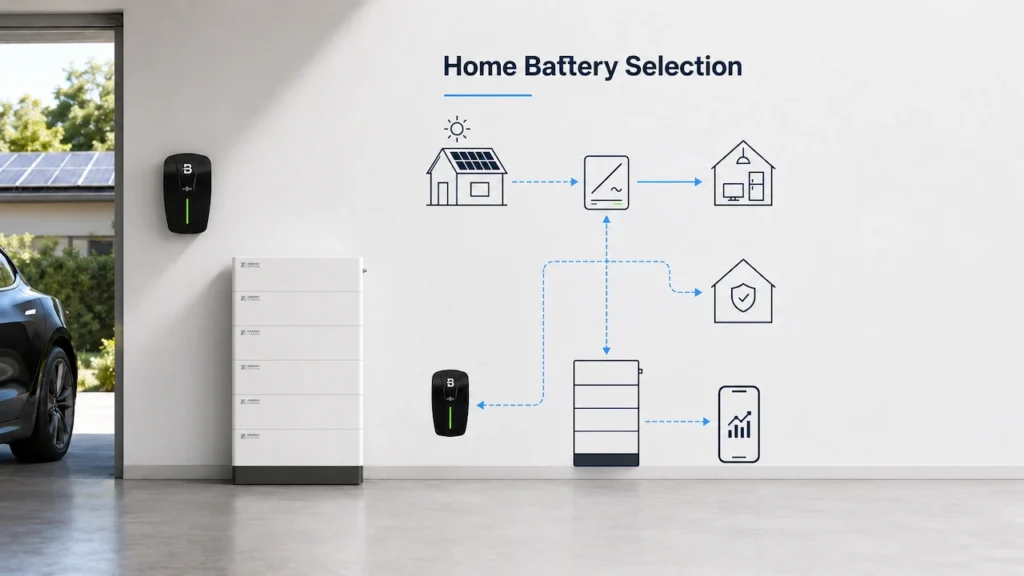
Choosing a residential energy storage system should be based on more than battery capacity alone. Customers should review battery chemistry, inverter compatibility, backup load priority, installation space, monitoring needs, solar PV capacity, EV charging plans, and future expansion requirements before selecting a system.
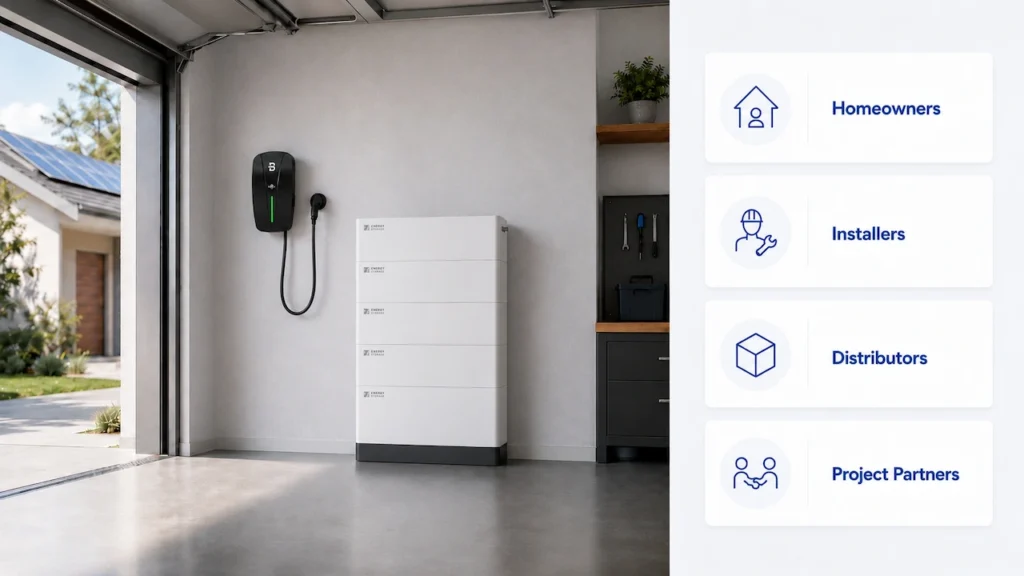
PVB residential energy storage solutions are designed to support different customer needs. Homeowners can improve solar self-consumption and backup power, installers can work with modular and compatible systems, and distributors can expand their residential energy storage product portfolio with scalable PVB solutions.
Improve home energy control and backup readiness.
Use modular systems with flexible installation options.
Expand residential ESS product offerings.
Support PV-ESS-EV and home energy projects
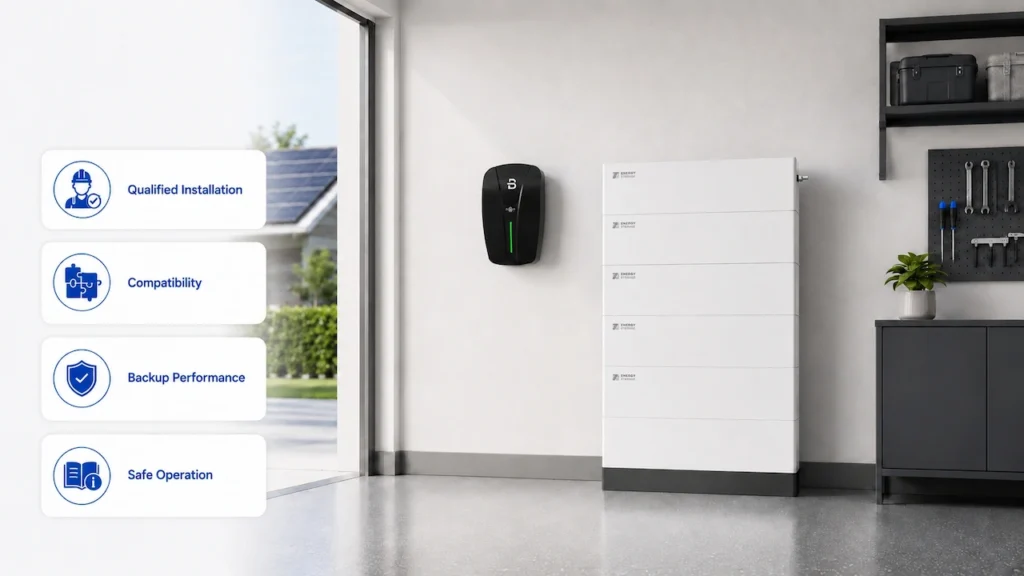
Residential energy storage systems should be installed and commissioned by qualified professionals according to local electrical regulations, product manuals, and safety requirements. Backup power performance depends on battery capacity, inverter configuration, load priority, and system design. Compatibility with inverters, EV chargers, and monitoring systems should be confirmed before project deployment.
Qualified Installation
Installation should follow local electrical requirements.
System Compatibility
Confirm inverter, battery, EV charger, and monitoring compatibility.
Backup Performance
Backup duration depends on battery capacity and load priority
Safe Operation
Follow product manuals, protection requirements, and maintenance guidance.
For residential energy storage projects, clear documentation and product support are important for installers, distributors, and project owners. PVB can provide product specifications, user manuals, installation guidance, certification documents, and technical support to help customers evaluate, install, and operate residential ESS projects more confidently.
Review battery specifications and configuration options.
Follow operation and maintenance guidance.
Provide available certification documents for project evaluation.
Support installers with technical documentation.
Help customers confirm configuration and compatibility.
What loads need to be supported?
How much solar energy can the home generate?
Which appliances or circuits need backup support?
What storage capacity is required?
Which inverter brand or model is used?
Wall-mounted, stacked, rack-mounted, or all-in-one?
Is real-time energy monitoring needed?
Will the system support home EV charging?
Will more capacity be added later?
A residential energy storage system (RESS) is a setup that allows homeowners to store electrical energy for use at a later time. Typically, these systems consist of rechargeable batteries that are designed to store electricity generated from various sources, such as solar panels, wind turbines, or the grid. They are used in homes to provide backup power during outages, manage energy usage, or optimize energy costs.
Home solar battery storage systems capture and store excess electricity generated by solar panels for later use, providing energy during times when the panels aren’t producing enough, such as at night or during cloudy weather. Residential battery storage systems use batteries, often lithium-ion, to store the excess power, which can then be converted back into electricity for household use. In grid-tied setups, surplus energy can be fed back into the utility grid, and the grid can supply power when needed.
To choose a home solar battery storage system, consider its capacity and power output to match your energy needs. Opt for lithium-ion batteries for their efficiency and lifespan. Look for high cycle life and a good warranty, ideally at least 5 years. Ensure compatibility with your solar panels and check the system’s efficiency to minimize energy loss. Factor in the cost and calculate potential savings. If backup power is important, ensure the battery can provide reliable support during outages.
To transport and store PVB’s residential energy storage systems safely, ensure they are securely packaged in their original or manufacturer-approved packaging to protect against shocks and impacts. Use appropriate handling equipment and avoid dropping or tipping the systems. Store them in a cool, dry place with stable temperatures, ideally between 10°C and 25°C (50°F and 77°F), and ensure good ventilation to prevent heat buildup and gas accumulation. Keep the systems away from flammable materials and maintain batteries at an optimal charge of around 50-60% if stored long-term. Clearly label containers with safety warnings and comply with all relevant regulations for battery storage. Additionally, security measures should be implemented to prevent theft or vandalism and emergency procedures should be put in place for incidents like fires or leaks.
The residential energy storage system can only be operated by the professionals with electrical knowledge who have received relevant training. Read the product manual carefully before the installation.
Maximize energy independence and reliability with PVB’s cutting-edge Home energy storage systems.
Find more solutions that suit you.
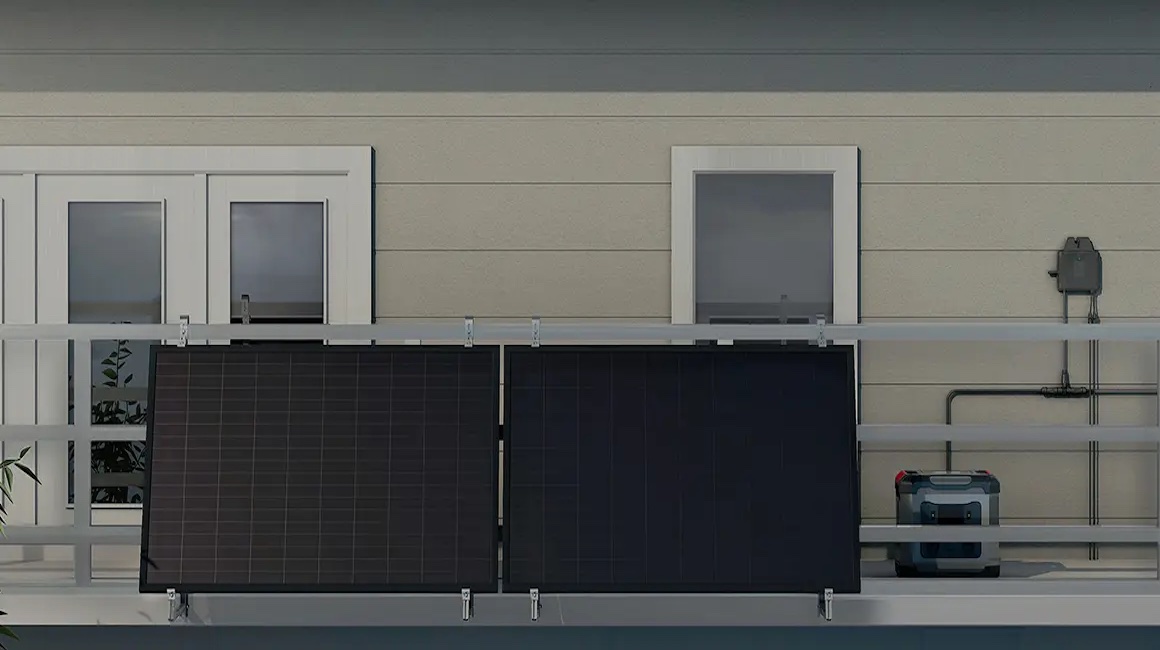
Balcony Energy Storage Solution
PVB delivers superior energy solutions to all, providing energy-independent life with efficiency, safety, and elegance.
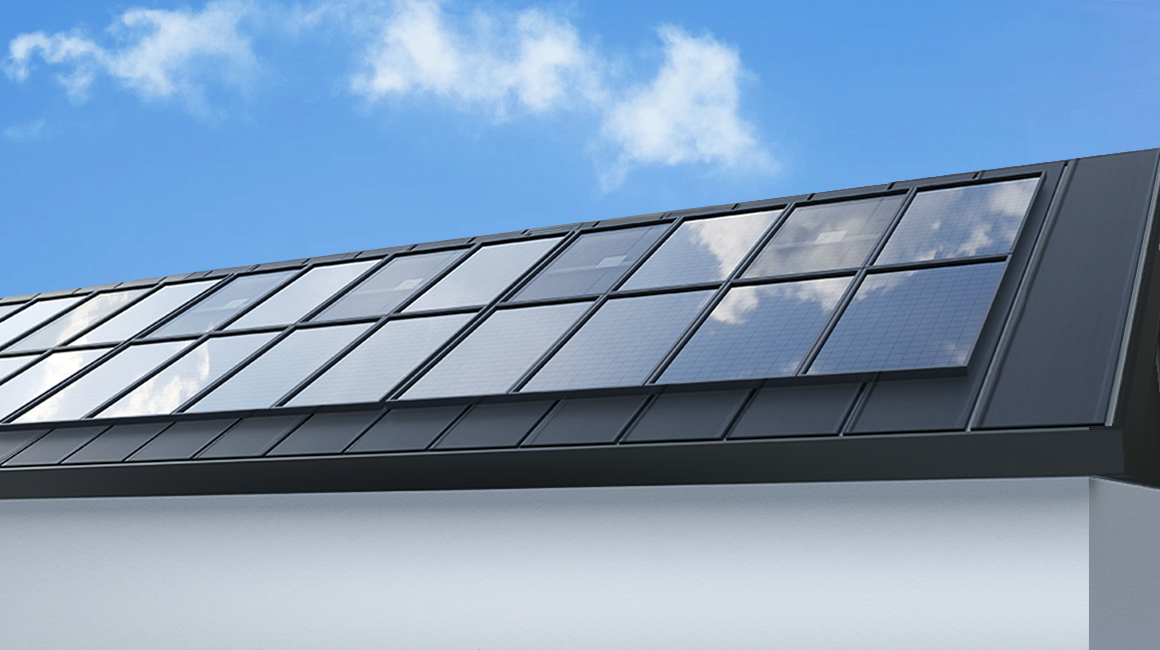
On-grid Solar Energy Solution
Unlock sustainable energy savings and reduce utility bills with PVB’s on-grid solar energy solutions, leading to a greener future.

Commercial and Industrial Energy Storage Solution
Optimizing efficiency and ensuring uninterrupted power supply in different commercial and industrial sectors.

PVB Easy Solar Kit Solultion
Elevate your living space with our solar systems – turning your balcony or garden into a clean energy powerhouse.
join the success
Tell us about your home, energy usage, required backup power, battery capacity, and installation timeline. Our team will help recommend the right residential energy storage solution for your household.