
Executive Summary
Commercial Battery Energy Storage Systems (BESS) are becoming essential on-site assets for UK businesses in 2026. Falling battery costs, higher business electricity prices, and the expansion of grid flexibility markets make BESS an attractive solution for both cost saving and revenue generation.
References & Further Reading
- UK DESNZ — Energy Security & Net Zero Strategy
- Ofgem — Network charging reforms (DUoS / TNUoS)
- National Grid ESO / NESO — Flexibility services & market rules
- RenewableUK — UK storage deployment reports
- Modo Energy / Cornwall Insight — Revenue stacking insights
1. What Is Commercial BESS
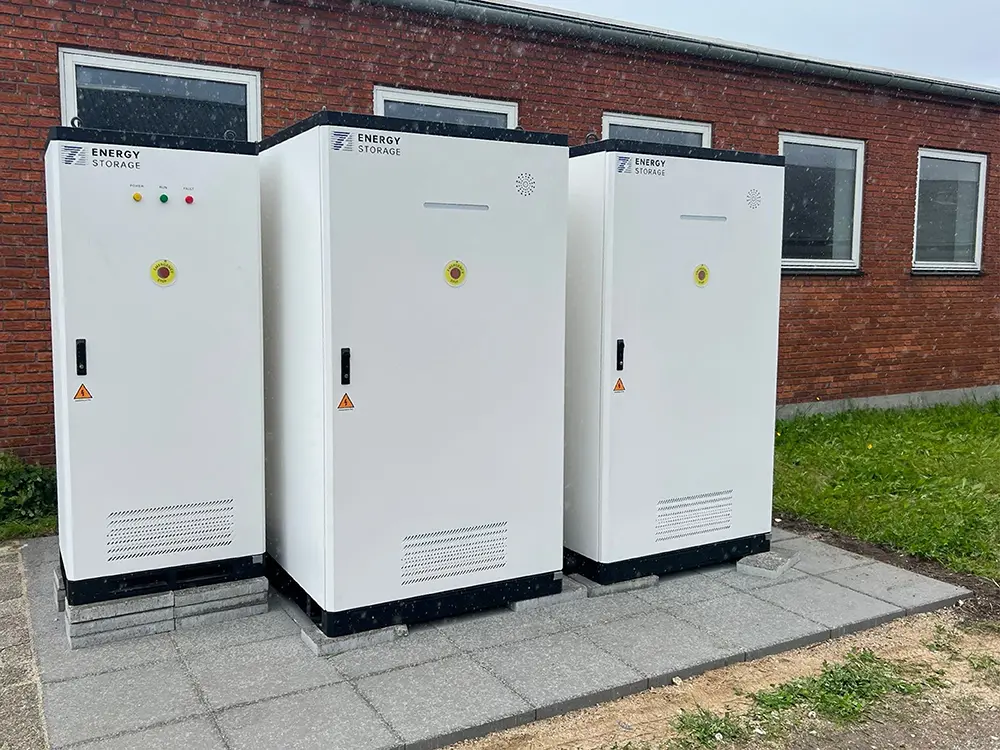
A Commercial Battery Energy Storage System (Commercial BESS) is an on-site (“Behind the Meter”) system that stores and releases electrical energy to reduce costs and increase energy resilience.
Core functions
- Store low-cost or surplus electricity
- Discharge during expensive peak hours
- Provide power during outages or voltage fluctuations
- Participate in grid flexibility markets for additional revenue
Typical components
- Battery Modules — Mostly lithium-ion, especially LFP (LiFePO4) for safety and cycle life
- Power Conversion System (PCS) — Controls AC ↔ DC conversion
- Battery Management System (BMS) — Ensures safe operation
- Energy Management System (EMS) — Optimises charging/discharging with AI forecasting
Why it matters in the UK
BESS supports Net Zero goals, increases business energy independence, reduces grid stress as renewables grow, and helps lower system-wide costs (DESNZ estimates: up to £40 billion by 2050).
2. Why UK Businesses Are Massively Installing Storage in 2026
2026 is a tipping point. Four major drivers:
- High Electricity Prices — 2024–2025 non-domestic averages roughly £0.30–£0.45/kWh; peak hours can exceed £0.50/kWh.
- Decarbonisation Strategy — UK targets rapid renewable integration and needs storage to stabilise the grid.
- Mature Grid Flexibility Markets — Quick Reserve, Dynamic Containment, BM, and Capacity Market provide revenue streams.
- Lower Battery Costs + Better Software — LFP prices down and EMS with AI shorten ROI to ~4–10 years.
3. Cost Savings: Peak Shaving & ToU Arbitrage
The main value is reducing energy bills. Key areas:
| Cost Item | What It Means | How BESS Cuts This Cost |
|---|---|---|
| Peak Purchase Price (ToU Tariffs) | Higher prices during peak hours (e.g., 4–7 PM) | Load shifting: charge off-peak, discharge at peak |
| DUoS (Distribution Use of System) | DNO charges with Green/Amber/Red bands; Red is costly | Discharge during Red Rate windows to cut demand charges |
| TNUoS / Triad (Transmission) | Charges for transmitting electricity at national level | Reduce maximum demand during predicted national peaks |
Many businesses see bill reductions in the range of 10–30% after installing BESS.
4. Dual Business Model: Cost Savings + Grid Revenue
BESS offers simultaneous benefits:
Savings (Self-Consumption)
- Peak shaving
- ToU optimisation
- Demand charge reduction
- Improved solar PV self-consumption
Revenue (Grid Services)
| Service | Description |
|---|---|
| Frequency Response | Millisecond reaction to maintain 50Hz stability |
| Balancing Mechanism | Real-time instructions from NESO |
| Wholesale Arbitrage | Buy when prices are low/negative, sell when high |
| Capacity Market | Guaranteed revenue for availability during system stress |
2026 trend: stacking multiple services gives the best returns.
5. Best Application Scenarios for 200kwh–5MWh BESS
Systems sized 200kwh–5MWh suit medium/large commercial and small industrial facilities.
| Sector | Energy Profile | BESS Value |
|---|---|---|
| Logistics & Warehouses | EV fleet charging; cold storage | Avoid grid upgrades; peak shaving |
| Manufacturing | High, intermittent peaks | Reduce DUoS/TNUoS; UPS protection |
| Cold Storage | 24/7 steady high load; high outage risk | Backup resilience; cost hedging |
| Retail Parks | Daytime peaks; rooftop solar | Store solar for evenings; support ESG |
Example configuration: 2MW / 4MWh — provides 2 hours at full power, suitable for production support and 2-hour flexibility services.
6. Supplier Selection Criteria (For UK Businesses)
1) Safety & Hardware
- Prefer LFP chemistry for safety and longevity
- Certifications: CE / IEC / UKCA
- Containerised systems need fire suppression & thermal runaway detection
2) EMS Capability
EMS determines profitability. Look for:
- AI load & price forecasting
- Automated optimisation for peak shaving, arbitrage & grid services
- Integration with Solar PV, EV chargers, Building Management Systems
3) After-Sales & O&M
- 10-year performance warranty (70–80% retention)
- UK-based engineers or certified local partners
- 24/7 remote monitoring and fast on-site response
If your organisation has self-developed EMS or PCS hardware, this section is a natural place to highlight that advantage.