Austria’s commercial and industrial energy storage market is moving from early adoption to practical project execution. For C&I users, the core value of BESS is not only storing electricity. It is reducing peak demand, improving PV self-consumption, supporting grid connection approval, protecting critical loads, and creating flexibility for future electrification.
This FAQ keeps the original focus of the Austria C&I BESS market outlook: market drivers, ROI, subsidies, energy market participation, system sizing, chemistry selection, EMS functions, certification, DSO approval, safety, supplier selection, PV integration, and carbon reduction.
Market Drivers and Business Value
1. Why is energy storage growing so fast in Austria’s C&I market?
Austria is expanding renewable energy capacity under the Renewable Expansion Act (EAG), while commercial and industrial users face more complex energy operating conditions.
C&I users often need to manage:
- High electricity prices and peak demand pressure.
- Grid congestion or connection limitations, especially around high midday PV generation.
- Increasing onsite solar capacity and export management requirements.
- Technical grid-connection rules set by local distribution system operators.
- New electrical loads such as EV charging, heat pumps, HVAC, refrigeration, and process electrification.
BESS helps businesses reduce peak demand, maximize PV self-consumption, improve energy independence, and support compliance with grid-connection requirements.
2. How does energy storage help Austrian businesses reduce operating costs?
A C&I BESS can reduce operating costs through several mechanisms:
- Peak demand reduction: discharging the battery during short demand peaks.
- Load shifting: using stored energy during high-price periods where tariff structures support it.
- PV self-consumption: storing surplus solar generation instead of exporting or curtailing it.
- Grid import reduction: reducing dependence on external power during selected periods.
- Backup value: protecting selected critical loads during outages or power-quality events.
In well-matched PV + storage projects, PV self-consumption can reach a much higher level than PV-only operation. The exact result depends on battery size, site load profile, PV generation curve, export limits, and EMS dispatch strategy.
3. What is the typical payback period for C&I storage in Austria?
The return on investment depends on system cost, application, electricity tariff, peak demand charges, PV usage, grid constraints, available incentives, and operating strategy.
| Application | Indicative Payback Range | Key Condition |
|---|---|---|
| Pure peak shaving | 3-5 years | Works best when demand peaks are frequent, predictable, and costly. |
| PV + storage optimization | 4-7 years | Depends strongly on PV surplus, load matching, and export value. |
| Factories with high evening load | 3-4 years | Strong fit when daytime PV can be shifted into evening production demand. |
| Storage for EV charging sites | 2.5-4 years | Can improve economics when grid upgrades are expensive or delayed. |
4. Can a BESS provide revenue through energy markets in Austria?
Yes, in suitable cases. Under Austrian market and grid rules, larger or aggregated storage systems may participate in flexibility-related services, depending on technical qualification, metering, aggregator access, and market rules.
Potential value streams may include:
- FCR, or primary control reserve.
- aFRR, or secondary reserve.
- mFRR, or manual reserve.
- Local DSO flexibility programs where available.
For this type of revenue stacking, the EMS must support VPP or aggregator communication, dispatch control, response verification, metering integration, and operational data reporting.
System Configuration and Technical Standards
5. What storage size is commonly used for C&I customers in Austria?
Common C&I BESS configurations vary widely by site type. The following ranges are practical starting points for project discussion:
| Size Range | Typical Application Scenarios |
|---|---|
| 50-200 kWh | Retail stores, small workshops, commercial offices, small PV self-consumption projects. |
| 200-800 kWh | Logistics centers, SMEs with PV installations, medium commercial buildings, light industrial sites. |
| 1-5 MWh | Manufacturing facilities, data centers, campuses, larger EV charging sites. |
| 5-20 MWh | Industrial parks, large EV charging hubs, larger flexibility or multi-use projects. |
Austria’s industrial operations are increasingly evaluating multi-MWh systems where PV, peak load, grid limits, and electrification plans overlap.

6. Is LFP or NMC battery chemistry recommended for Austrian industrial storage?
For most C&I and industrial storage projects, LFP, or lithium iron phosphate, is commonly preferred. The main reasons include:
- Higher intrinsic thermal stability compared with some other lithium-ion chemistries.
- Long cycle life for daily or frequent operation.
- Good fit for stationary storage where energy density is less critical than safety and longevity.
- Strong compatibility with cabinet and containerized BESS designs.
- Broad supplier availability and improving cost structure.
NMC may still appear in certain storage applications, but C&I stationary storage buyers usually prioritize safety, cycle life, warranty stability, and predictable operation. For that reason, LFP is often the safer default choice for industrial and commercial BESS projects.
7. What EMS functions are essential for the Austrian market?
A C&I BESS in Austria should not rely on a basic monitoring interface only. The EMS should be able to control the battery according to grid rules, site economics, PV generation, and operating priorities.
Important EMS functions include:
- Peak shaving.
- PV self-consumption optimization.
- Time-of-use scheduling where tariff structures support it.
- Feed-in limitation, including adjustable export control where required.
- Grid support functions, including active power and reactive power control.
- Remote diagnostics and OTA software updates.
- Multi-site energy management where needed.
- VPP or aggregator readiness for flexibility programs.
- Battery warranty protection through SoC, temperature, and cycling limits.
For more EMS detail, see PVB’s guide to BMS, PCS, and EMS in battery energy storage systems.
Regulation, Certification, and Safety
8. What certifications are required for a BESS in Austria?
A BESS for Austria must be reviewed against applicable EU, Austrian, grid, electrical, and fire-safety requirements. The required documentation depends on the exact product, installation location, grid connection, and project scale.
Commonly requested standards and documents may include:
- CE Marking and EU Declaration of Conformity.
- Low Voltage Directive 2014/35/EU.
- EMC Directive 2014/30/EU.
- Battery safety documentation, commonly related to EN/IEC 62619 for industrial lithium batteries.
- Energy storage system safety documentation, commonly related to EN/IEC 62933 where applicable.
- PCS or inverter safety documentation, such as EN 62477 and EN 62109 where applicable.
- EMC test documentation, including relevant EN 61000 series requirements.
- Fire and building-code documentation, including Austrian requirements such as ÖNORM where applicable.
All major components should have valid, model-specific test reports or declarations. Buyers should avoid accepting generic certification claims without model numbers, rated power, configuration details, and current documentation.
9. Do Austrian DSOs require special grid-connection approvals?
Yes. Austrian distribution system operators can require detailed grid-connection review before a BESS is energized. Requirements vary by DSO, project size, connection point, and export behavior.
Grid operators such as Wiener Netze, Netz Oberösterreich, KELAG Netz, and other DSOs may review whether the system has:
- Reactive power control capability.
- Feed-in limitation capability.
- Fault Ride-Through compliance where applicable.
- A comprehensive protection concept.
- Certified installer documentation.
- Pre-operation approval or commissioning documentation.
Non-compliant systems can be delayed or rejected during grid-connection review. This is why grid requirements should be checked before equipment procurement, not after delivery.
10. What documents are needed to apply for grid connection in Austria?
The DSO may request a project-specific document package. Typical documents include:
- System single-line diagram.
- CE and IEC safety documents.
- PCS or inverter test report.
- Protection concept.
- Fire-safety concept.
- BESS, PCS, battery, and EMS datasheets.
- Installation plan and site layout.
- Proof of certified installer qualifications.
- Metering and communication concept.
- Export limitation or grid-support function description where required.
DSOs may request additional site-specific analysis, especially for larger systems, export-capable systems, multi-MWh projects, or sites with complex loads.
11. What safety measures are mandatory for BESS installation in Austria?
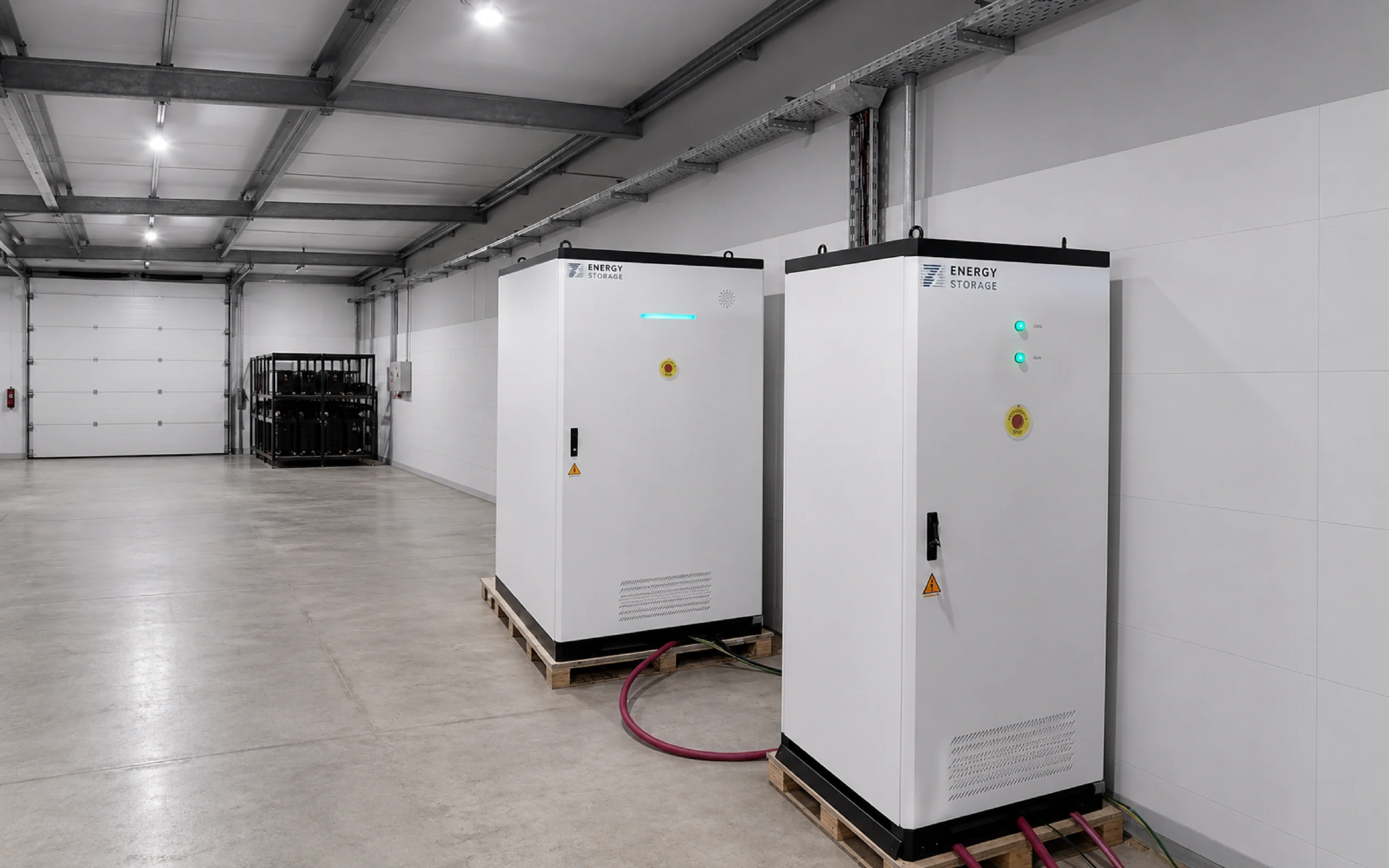
Safety requirements depend on system size, chemistry, installation location, building type, fire concept, and local authority review. In practice, Austrian BESS projects commonly need to address:
- Fire-resistant battery rooms, enclosures, or containers where required.
- Emergency ventilation or gas management.
- Multi-level BMS protection.
- Thermal runaway detection and mitigation measures.
- Remote monitoring and alarm reporting.
- Safety zones, access clearances, and fire barriers.
- Emergency shutdown and signage.
- Maintenance access and response procedures.
12. What is the most important factor when selecting a BESS supplier in Austria?
Long-term reliability and compliance should come before the lowest initial price. A supplier should be able to support the full project lifecycle, from design documentation to commissioning, monitoring, and maintenance.
A qualified supplier should provide:
- Valid EU certification and test documentation.
- Austrian grid-compliance support documents where required.
- Proven PCS and EMS technology.
- Fire-safety and installation documentation.
- Remote monitoring and alarm capability.
- Warranty terms aligned with actual operating conditions.
- Technical support and service response planning.
Low-cost systems can become expensive if PCS, EMS, thermal management, documentation, or service support fails after installation. For Austria, procurement should evaluate both product quality and the supplier’s ability to support grid approval and long-term operation.
Strategy and Outlook
13. Can a BESS be installed with rooftop or ground-mounted PV systems?
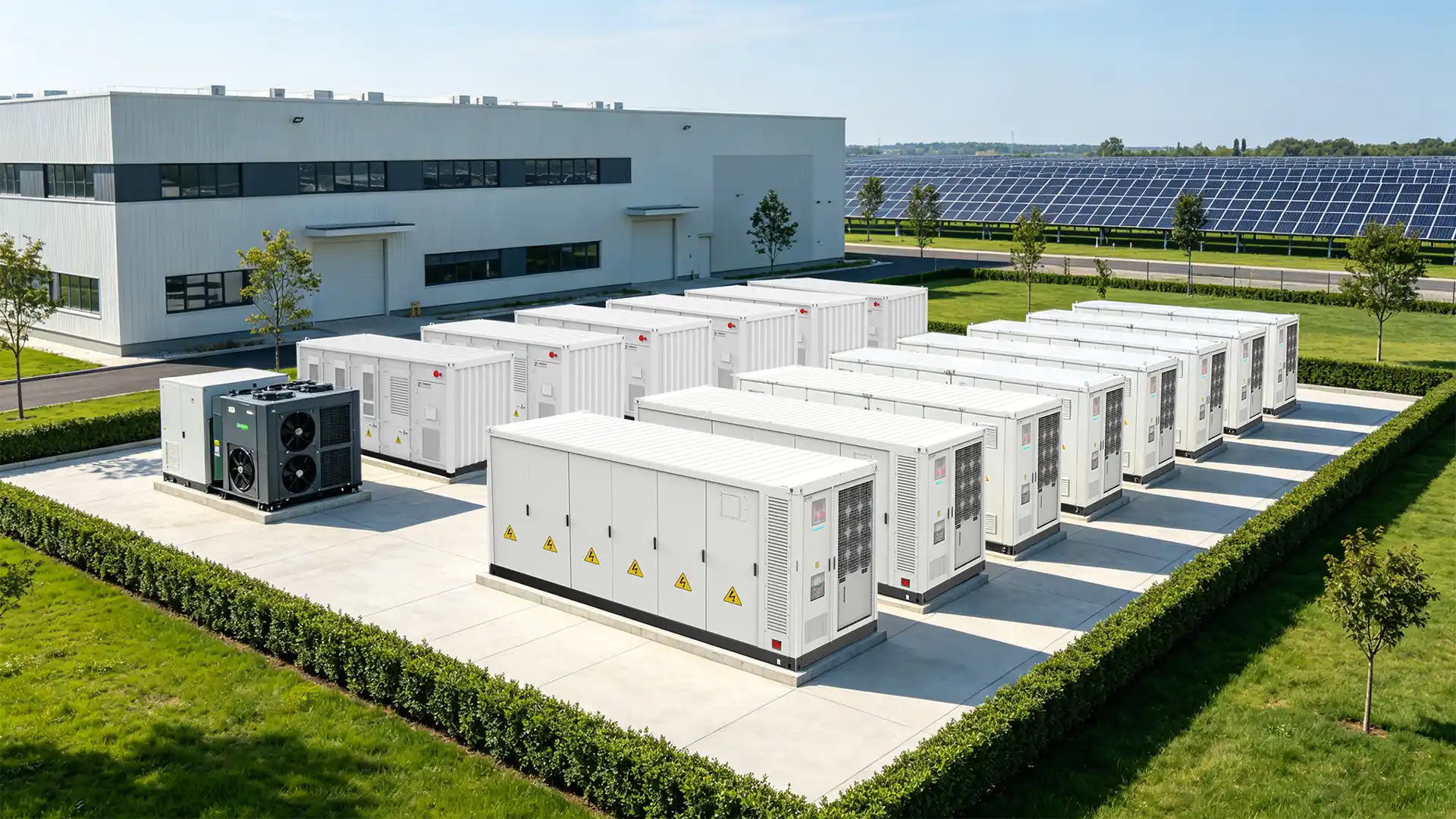
Yes. PV + storage is one of the most important C&I energy storage models in Austria. Storage can increase PV utilization, reduce export to congested grids, and help businesses use more renewable energy onsite.
In some cases, grid operators may limit export or require technical controls for larger PV systems. A BESS can help manage those limits by absorbing surplus PV and dispatching it later, but the final design must match the DSO’s connection conditions.
14. Are there government incentives or subsidies for storage in Austria?
Austria supports renewable energy expansion through the EAG framework, and storage may be supported directly or indirectly depending on the program, project type, size, and timing.
Commercial storage incentives can change by year and may involve federal programs, the Climate and Energy Fund, regional support, or PV-related incentive structures. Some programs may focus on smaller storage capacities, while larger C&I projects often depend more on grid constraints, PV economics, flexibility value, and operational savings.
Before making an investment decision, buyers should confirm current subsidy availability with official sources, local installers, consultants, or the relevant funding authority. Do not assume that a previously available subsidy remains open or applies to the exact project configuration.
15. Can BESS systems help Austrian companies reduce carbon emissions?
Yes. BESS can support carbon reduction when it enables higher renewable energy use, reduces diesel generator operation, supports grid stability, or shifts energy use away from high-carbon periods. The exact carbon impact depends on the charging source, dispatch strategy, grid mix, and operating profile.
For Austrian C&I users, BESS can help companies:
- Increase renewable self-consumption.
- Reduce the use of diesel generators for backup or peak support.
- Participate in grid-stability services that support renewable integration.
- Reduce operational exposure to peak-period grid imports where carbon intensity is higher.
- Provide measurable energy data for ESG and sustainability reporting.
How PVB Supports Austria C&I Energy Storage Projects
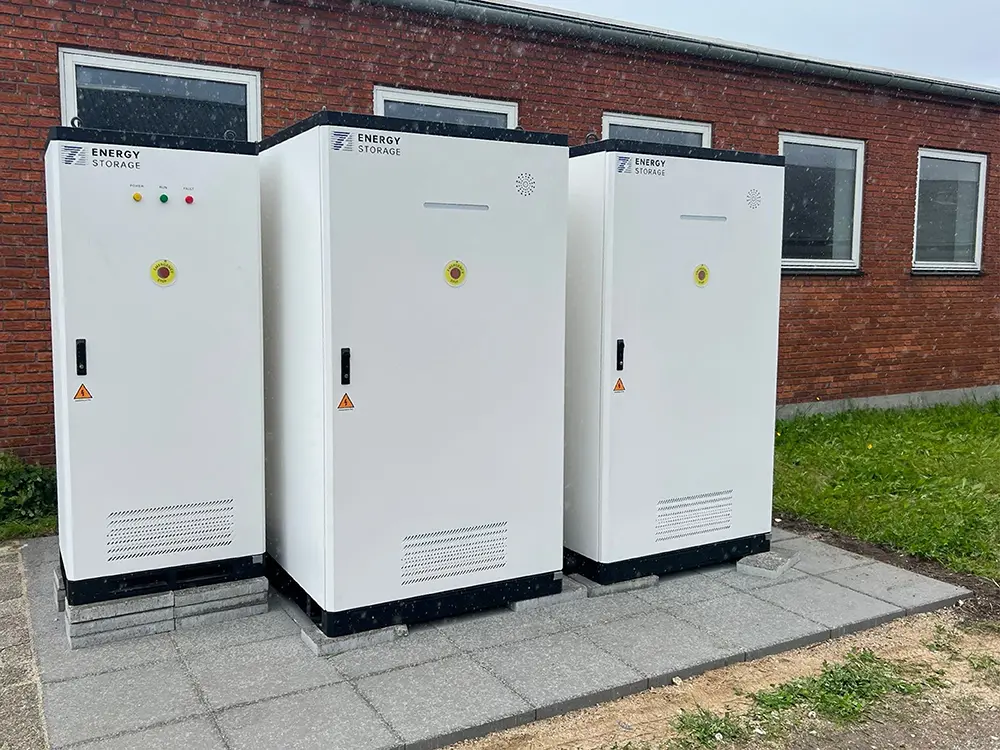
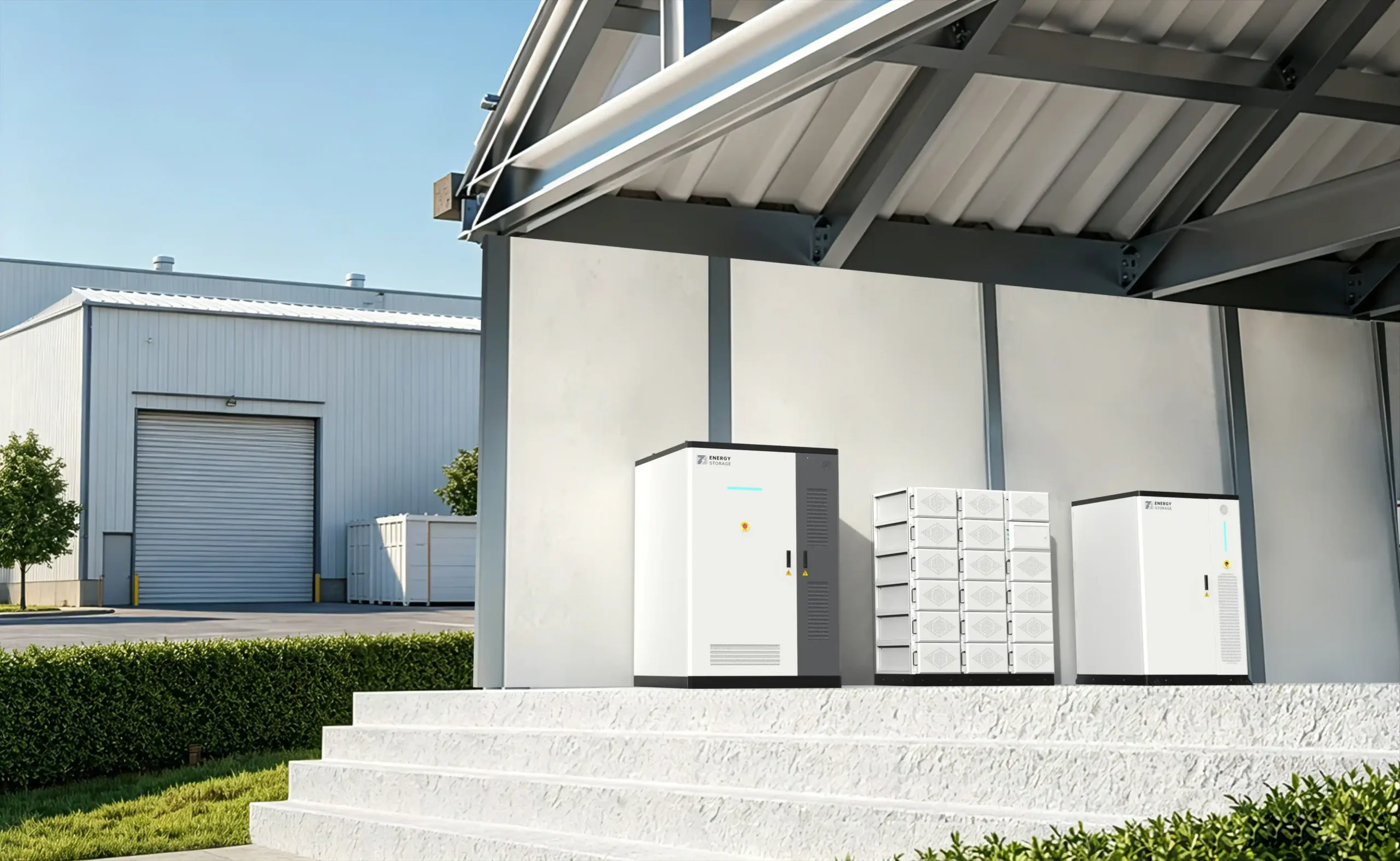
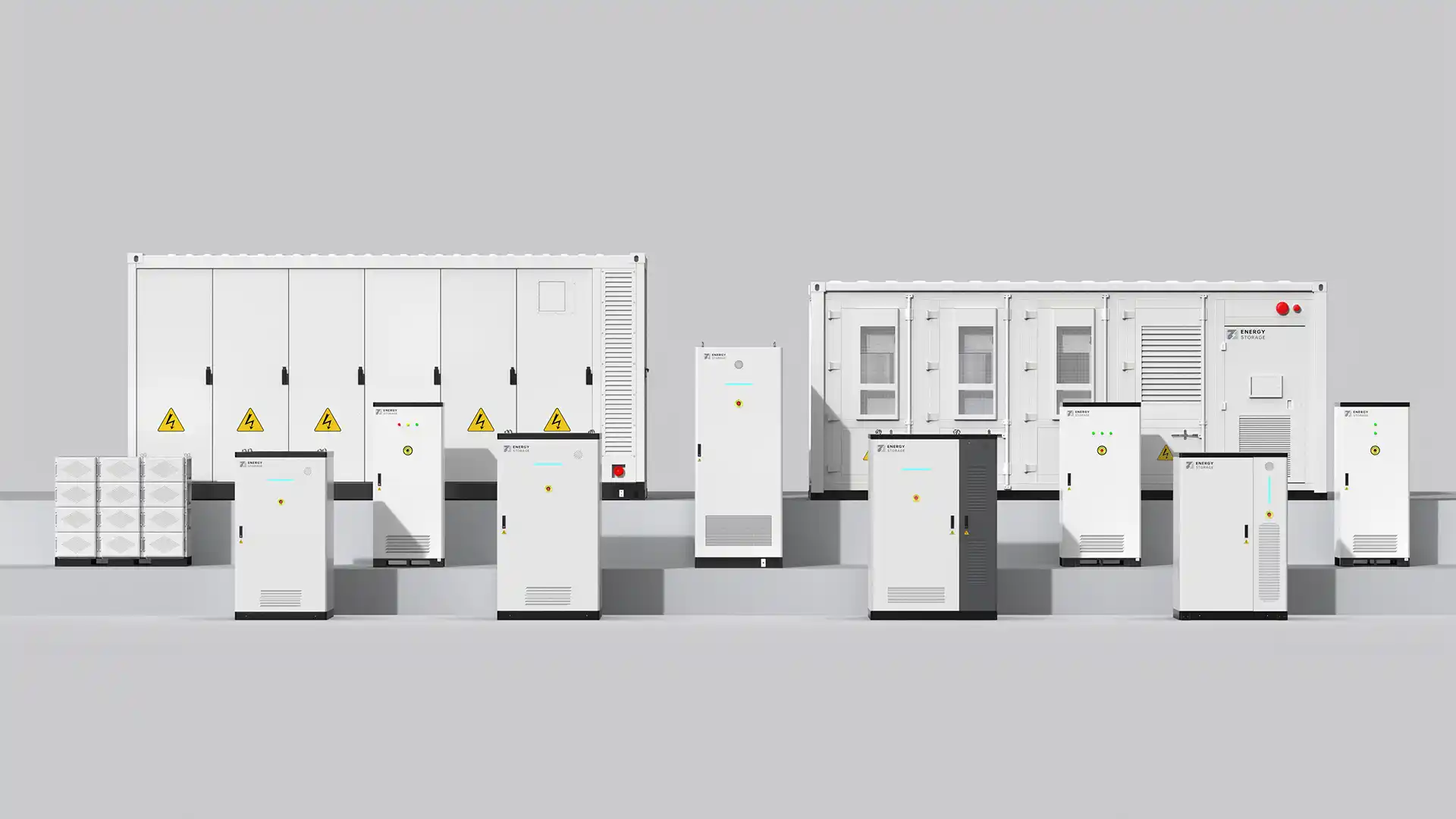
PVB supports Austria C&I BESS projects with cabinet and containerized energy storage systems, PCS integration, EMS configuration, liquid cooling, remote monitoring, and project documentation support.
For Austria, the practical value is matching the system to the application:
- PV + storage: improve self-consumption and reduce export pressure.
- Peak shaving: manage industrial load peaks and demand pressure.
- EV charging: buffer charging peaks and reduce grid upgrade pressure.
- Backup reserve: protect selected critical loads.
- Flexibility: support aggregation-ready EMS functions where market access is available.
- Compliance: provide model-specific datasheets, certification documents, and technical support materials.
For buyers comparing suppliers, PVB recommends reviewing load data, PV generation, grid constraints, certification documents, safety concepts, EMS functions, warranty conditions, and O&M planning before confirming the final BESS configuration.
Official Sources and Regulatory References
Related PVB Guides
FAQ: Austria C&I Energy Storage Market
Why is energy storage growing in Austria’s C&I market?
Energy storage is growing because Austrian C&I users need to manage renewable energy expansion, peak demand, grid connection limits, PV self-consumption, energy costs, EV charging, and resilience requirements.
What is the typical payback period for C&I BESS in Austria?
Indicative payback can range from about 2.5 to 7 years depending on the application. Peak shaving, PV + storage, high evening-load factories, and EV charging sites can have different payback profiles. Actual ROI must be modeled with site data.
Can C&I BESS participate in Austrian energy markets?
In suitable cases, larger or aggregated BESS projects may participate in flexibility-related services such as FCR, aFRR, mFRR, or local DSO flexibility programs, depending on market rules, metering, aggregator access, and EMS capability.
What battery size is common for Austrian C&I customers?
Common ranges include 50-200 kWh for smaller commercial sites, 200-800 kWh for SMEs and logistics sites, 1-5 MWh for manufacturing or campuses, and 5-20 MWh for industrial parks or large EV charging hubs.
Is LFP recommended for Austrian industrial storage?
LFP is commonly preferred for C&I stationary storage because of its thermal stability, cycle life, safety profile, and suitability for cabinet and containerized BESS designs.
What EMS functions are important for Austria BESS projects?
Important EMS functions include peak shaving, PV self-consumption optimization, time-of-use scheduling, feed-in limitation, active and reactive power control, remote diagnostics, OTA updates, multi-site management, and VPP readiness where needed.
What certifications are required for BESS in Austria?
Typical documentation may include CE Marking, Low Voltage Directive, EMC Directive, EN/IEC 62619, EN/IEC 62933, EN 62477, EN 62109, EN 61000 series EMC documentation, and fire or building-code documentation where applicable.
Do Austrian DSOs require grid-connection approval?
Yes. DSOs may require reactive power control, feed-in limitation, Fault Ride-Through capability, protection concepts, certified installer documentation, and pre-operation approval depending on project size and connection conditions.
Can BESS be installed with rooftop or ground-mounted PV in Austria?
Yes. PV + storage is a common C&I model in Austria. Storage can increase PV self-consumption, reduce export pressure, and help meet grid connection requirements.
Are there subsidies for commercial storage in Austria?
Austria may provide direct or indirect support through federal, regional, EAG-related, or Climate and Energy Fund programs. Eligibility, capacity limits, budget windows, and application rules should be verified with current official sources.
How does PVB support Austria C&I BESS projects?
PVB supports Austria C&I BESS projects with cabinet and containerized systems, EMS configuration, liquid cooling, PCS integration, PV + storage design, EV charging support, remote monitoring, and technical documentation support.