Choosing a storage cabinet for a factory, warehouse, hotel or commercial solar project starts with two questions: what does the battery need to do, and what equipment is included? This guide compares seven commercial and industrial (C&I) energy storage manufacturers: PVB, Deye, GoodWe, Huawei, KSTAR, SolaX and Sungrow.
The focus is cabinet systems for business sites, not battery cells or large utility power stations. kW tells you how much power a system can deliver at once; kWh tells you how much energy it stores. For the wider supplier market, see our global BESS company guide.
PVB publishes this guide and appears first; the other manufacturers follow alphabetically. The shortlist uses current official product information. It is not a market-share ranking or an independent performance test.
C&I Energy Storage Manufacturers at a Glance
First, check what you are buying. Some cabinets include the power-conversion equipment that connects the battery to the site’s electrical supply. Other systems pair a hybrid inverter with compatible battery cabinets and can also connect solar. Ask for the complete equipment list before comparing prices.
| Manufacturer | Product example | System design | Power and energy | What to check |
|---|---|---|---|---|
| PVB | BYHV-261SLC | Liquid-cooled integrated cabinet | 125 kW / 261 kWh | Equipment and controls matched to your site |
| Deye | MS-G215-2H3 | Air-cooled integrated system | 100 kW / 215 kWh usable energy | Storage-only versus the related solar-input version |
| GoodWe | C&I ESA | All-in-one cabinet | 125 kW / 261 kWh | How more cabinets can be added |
| Huawei | LUNA2000-241-2S1 | Hybrid-cooled C&I system with power conversion | 108 kW / 241 kWh | Compatible solar equipment and controls |
| KSTAR | BluePulse KAC + BC | Hybrid inverter + battery cabinet | 80–125 kW inverter options; about 197–233 kWh battery options | The selected inverter-and-battery pairing |
| SolaX | TRENE-P125B261L-E | AC-coupled liquid-cooled cabinet | 125 kW / 261 kWh | The selected model, voltage and connection |
| Sungrow | PowerStack ST255CS-2H | Liquid-cooled AC-output system | 125 kW / 257 kWh | Cabinet configuration and iSolarCloud monitoring |
These figures apply to the named products, not each company’s whole range. Most examples use three-phase supplies around 400 V; the model and approval must match the installation country. Two details matter when comparing the numbers:
- Energy: Deye’s selected page gives usable energy. Most other examples give rated or nominal energy. Ask every supplier how much energy you can actually use under the same conditions.
- Inverter and battery: KSTAR’s inverter rating alone does not establish the battery-only output. Compare the selected combination.
The 7 Manufacturers and Their C&I Cabinet Product Lines
1. PVB — Integrated Cabinets and Project-Based Configuration
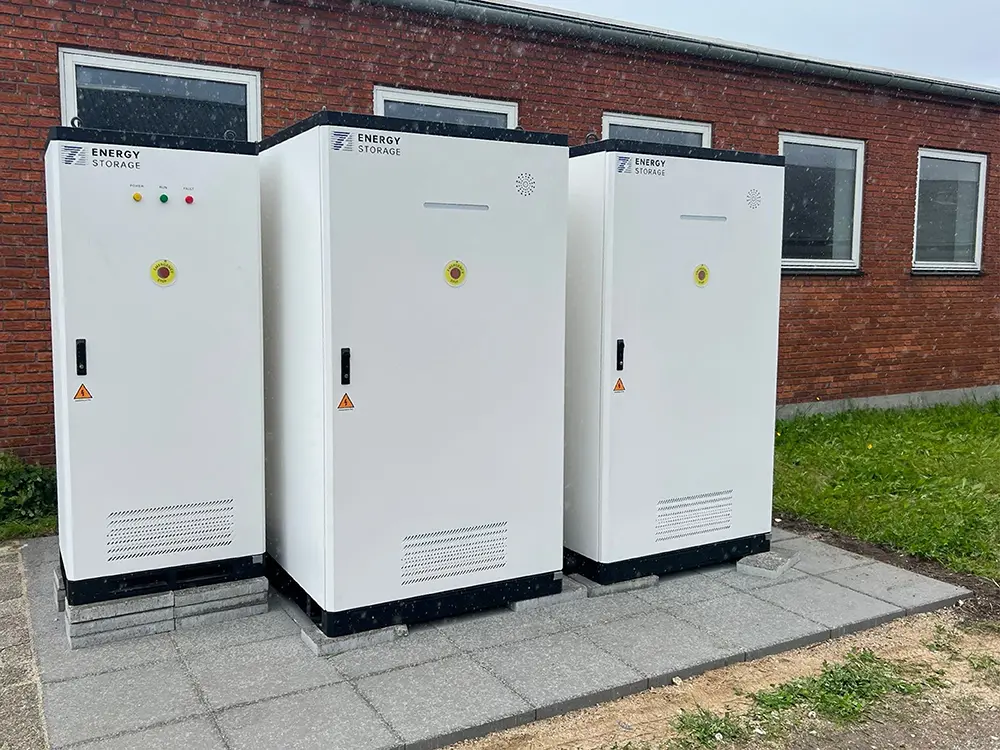
PVB offers cabinet and containerized storage for commercial and industrial sites. The BYHV-261SLC is a 125 kW/261 kWh liquid-cooled cabinet that combines the battery, battery monitoring and protection, power conversion, cooling, fire protection and energy-management functions.
Start with what the battery needs to do: reduce short demand peaks, save solar electricity for another shift, or keep energy for specified backup loads. PVB can use your load records, tariff and grid limits to recommend a configuration. For projects needing containerized storage, the VoyagerPower 2.0 family offers another option.
A PVB C&I storage proposal should show the equipment, usable energy and controls included, the site connections needed, and who will install and commission the system.
2. Deye — Storage-Only and Solar-Plus-Storage Options
The MS-G215-2H3 is a 100 kW system whose product page lists 215 kWh of usable energy. The related MS-GS215-2H3 adds a solar-input configuration.
That distinction matters when requesting a price. A site adding storage to existing solar and a site ordering solar and storage together may need different equipment. Specify the G or GS model, the solar connection and the required operating mode rather than ordering by the “215” name alone.
3. GoodWe — A Standard All-in-One Cabinet Block
GoodWe’s C&I ESA 125 kW/261 kWh puts the battery, power conversion, energy scheduling, and battery monitoring and protection in one cabinet.
For a business planning expansion, ask how many cabinets can work together and which controls they need. If backup is required, confirm the supported cabinet layout and whether additional switching equipment is needed.
4. Huawei — C&I Storage in the FusionSolar Ecosystem
Huawei’s English LUNA2000 C&I specifications list the LUNA2000-241-2S1, with 241 kWh of rated capacity and a 108 kW power conversion system. It uses hybrid cooling and is part of the FusionSolar range.
Compare it when you want solar, storage and monitoring to work together. Ask which locally available LUNA2000 model, controller and compatible solar equipment are included in the offer.
5. KSTAR — Matched Hybrid Inverter and Battery Cabinets
KSTAR BluePulse pairs KAC hybrid inverters with BC battery cabinets. The range offers 80–125 kW inverter options and approximately 197–233 kWh battery options, with direct solar integration.
Ask for the exact inverter and battery combination. Its charging and discharging power depends on that pairing and the operating mode; the largest number in each range is not one guaranteed package.
6. SolaX — AC-Coupled TRENE Cabinet Systems
The SolaX ESS-TRENE 261 kWh range includes the 125 kW TRENE-P125B261L-E. It is an AC-coupled liquid-cooled cabinet with integrated battery management, energy management and power conversion.
An AC-coupled cabinet connects to the site’s AC electrical system. If solar is already installed, ask how it will work with the existing inverters, meters and controls. Match the exact TRENE model, power rating, voltage and layout to the proposal.
7. Sungrow — PowerStack C&I Systems and Monitoring
Sungrow’s PowerStack ST255CS-2H is a liquid-cooled C&I system rated at 125 kW and 257 kWh, with AC output and iSolarCloud monitoring.
For a business site, compare the local PowerStack version, the monitoring and control arrangement, and any external switchgear or backup equipment required by the project.
What a Supplier Must Solve: Two PVB Project Examples
The same cabinet size is not right for every business. These two PVB projects show how the job at the site shapes the storage design.

Kalvarija, Lithuania: a 482 kWh industrial project addresses peak electricity demand, energy scheduling and operation during grid fluctuations. The battery, power conversion and controls need to work together to manage the site’s demand.
Argentina: a 230.4 kWh gas-station project combines a BYHV-230SAC system with an on/off-grid switching cabinet to support compressor starts. To assess a similar station, PVB needs to know how much power the compressor needs when it starts, how long each start lasts, and how often it starts. Software optimization and system tuning continue for this installation.
How to Compare the Final Two or Three Offers
Give every supplier the same information about your site. Include electricity bills, meter readings showing use through the day, solar records where available, grid import/export limits, operating hours and any loads that need backup. Our C&I storage buyer guide covers the wider planning process.
- Check the included equipment and work. Identify whether batteries, power conversion, energy controls, switching equipment, installation and commissioning are included. A cabinet price and a fully installed system price cover different things.
- Compare the power and energy you can use. Ask how much continuous power (kW) and usable energy (kWh) the system provides under the agreed operating conditions. If some energy must be kept for backup, ask how much remains for daily use. The largest capacity on the datasheet is not always the best fit.
- Confirm approval, warranty and service. Obtain the selected model’s documents for the installation country, written warranty terms, service responsibilities and an acceptance test agreed before delivery.
Send your site information to info@pvb.com or contact our team. PVB can recommend a cabinet or containerized system and explain what equipment is included, how it connects to the site, and which installation work is needed.
Frequently Asked Questions
Can commercial battery storage work with existing solar?
It can, provided the electrical and control design is compatible. An AC-coupled cabinet and a hybrid inverter with batteries connect differently. Tell the supplier which solar inverters and meters are already installed so the proposal includes the necessary interfaces.
Does an all-in-one cabinet include automatic backup?
Not necessarily. Grid-connected bill management and backup are different operating tasks. Backup may need additional switching, controls and a defined circuit for essential loads. Ask for the complete backup design and its supported loads, not just an “off-grid” label.
Can several cabinets be combined into a larger system?
Some product lines support parallel expansion, but the permitted number of units, controllers, electrical protection and grid connection vary. Have the supplier design the final arrangement and any future expansion together.
References
Official product and project information accessed on 15 October 2026.
- PVB: BYHV-261SLC, VoyagerPower 2.0, Kalvarija industrial project and Argentina gas-station project.
- Deye: MS-G215-2H3 and MS-GS215-2H3.
- GoodWe: C&I ESA 125 kW/261 kWh.
- Huawei: Current LUNA2000 C&I specifications.
- KSTAR: BluePulse hybrid inverter and battery cabinet range.
- SolaX: ESS-TRENE liquid-cooled 261 kWh range.
- Sungrow: PowerStack ST255CS-2H.