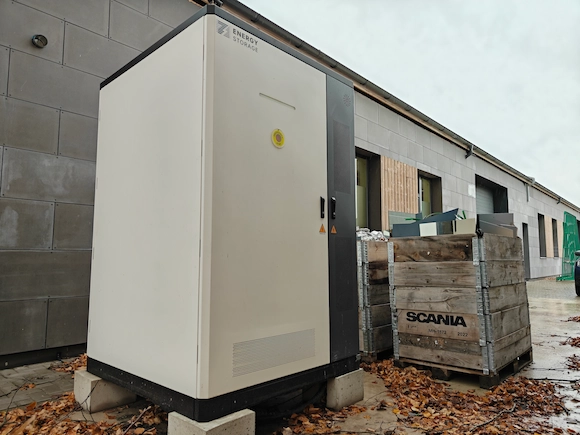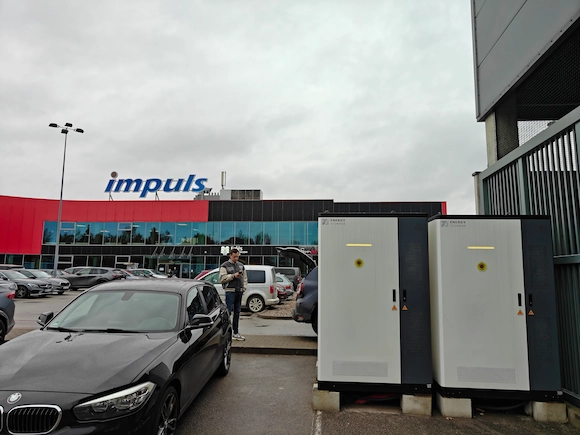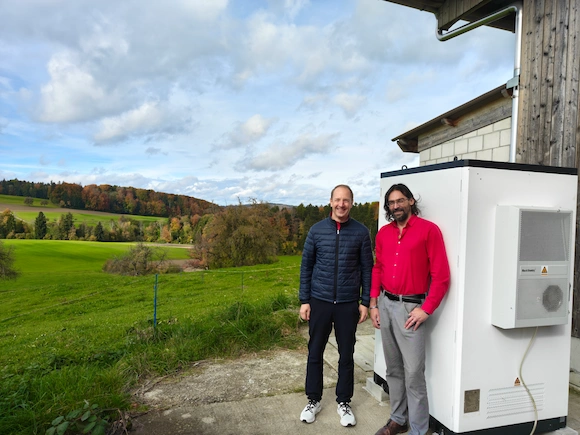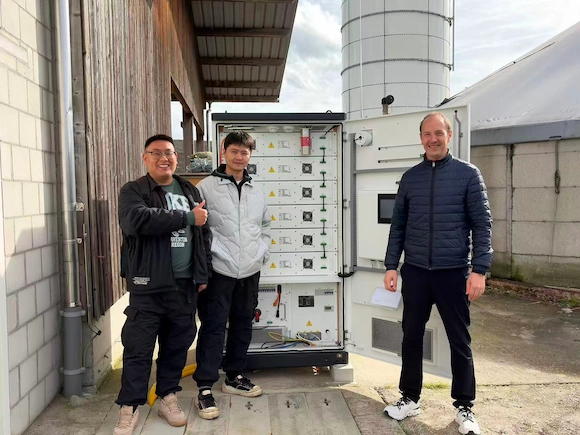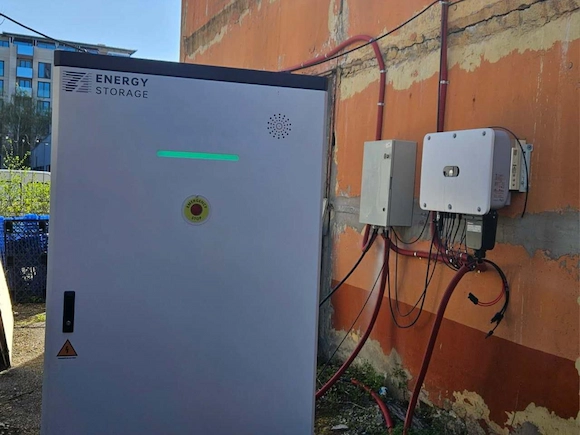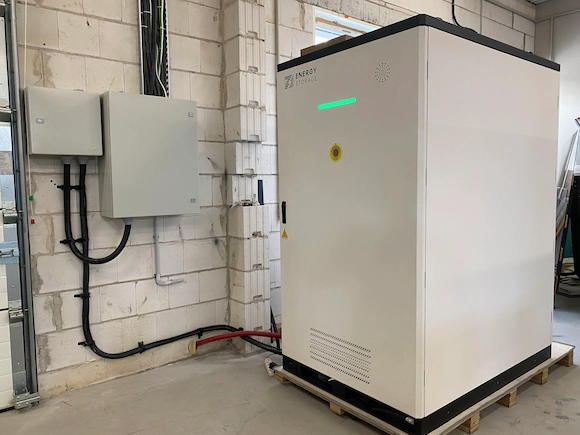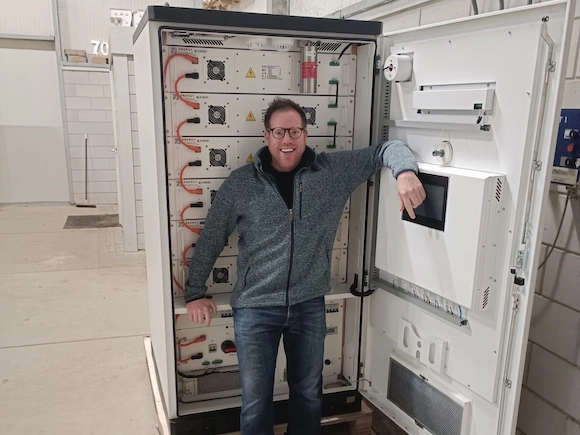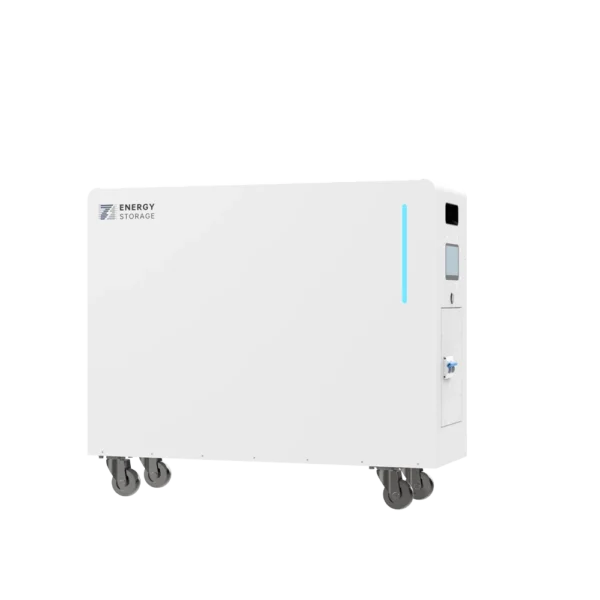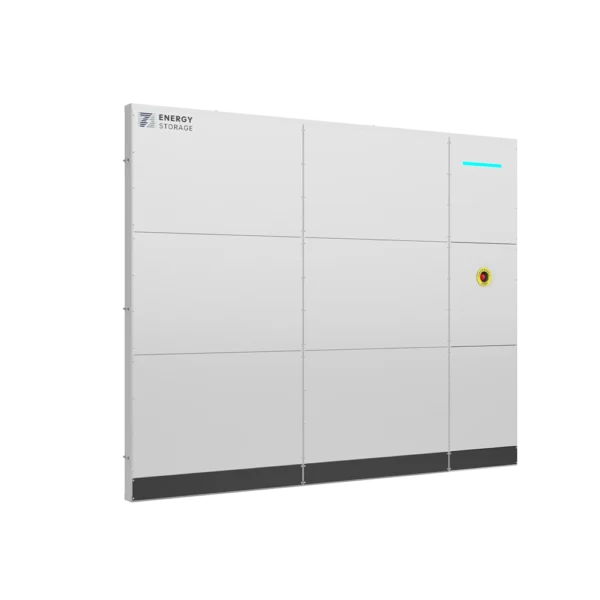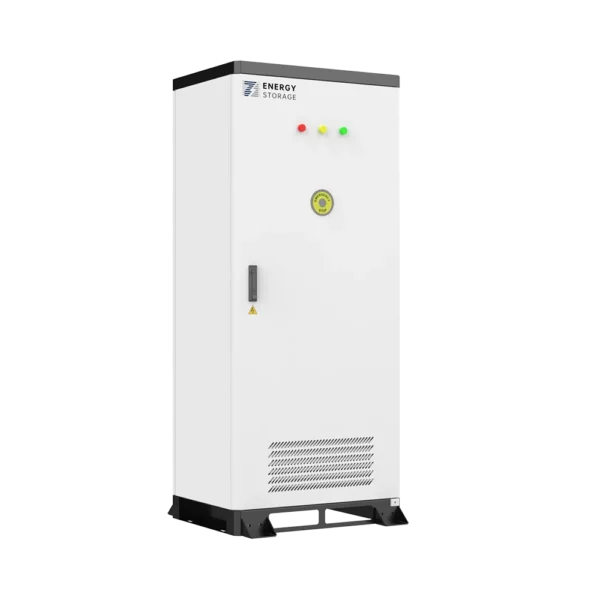
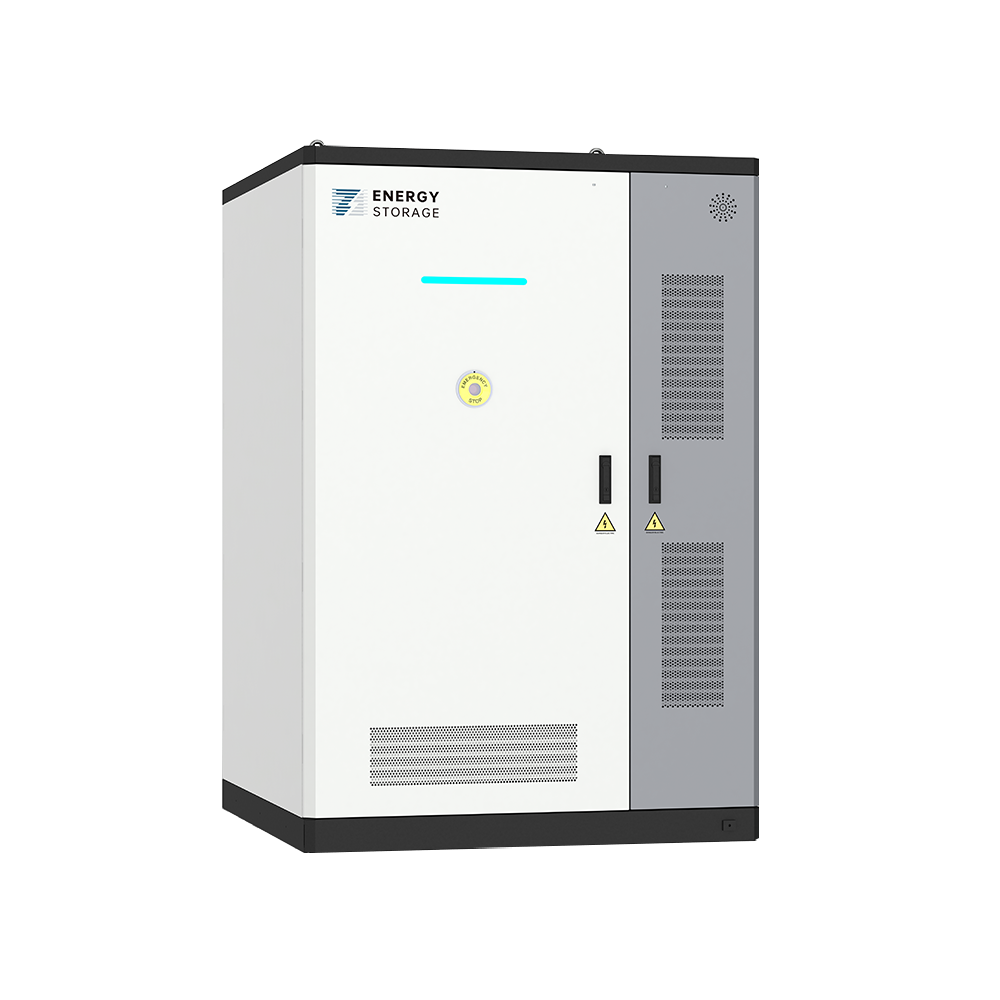


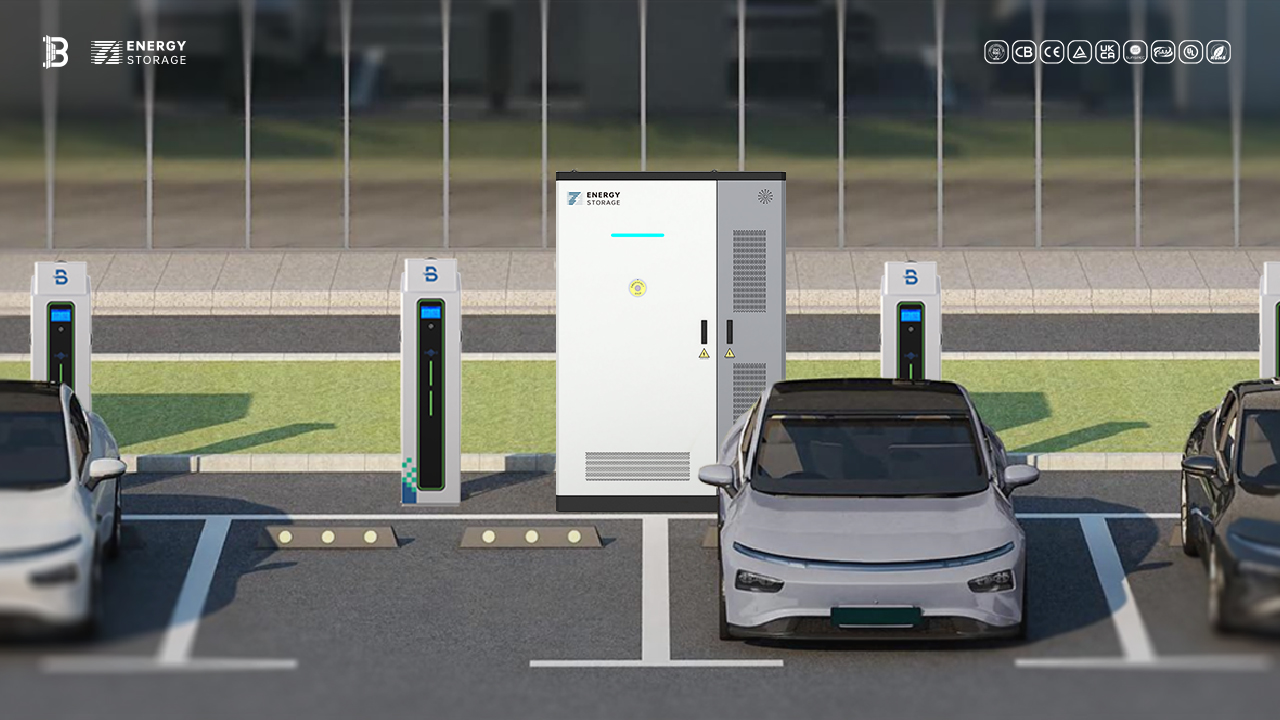
The 100kW/215 kWh liquid cooling energy storage system features a prefabricated cabin design flexible deployment, convenient transportation, and no need for internal wiring and debugging.
It responds quickly, boasts high reliability, and offers functions such as peak shaving, power capacity expansion, emergency backup power, grid balancing, capacity management, and multi-level parallel connection.
PVB’s product adopts an “All-In-One” design concept, with ultra-high integration that combines energy storage batteries, BMS (Battery Management System), PCS (Power Conversion System), fire protection, energy storage liquid cooling units, energy management, and more into a single unit, making it adaptable to various scenarios.
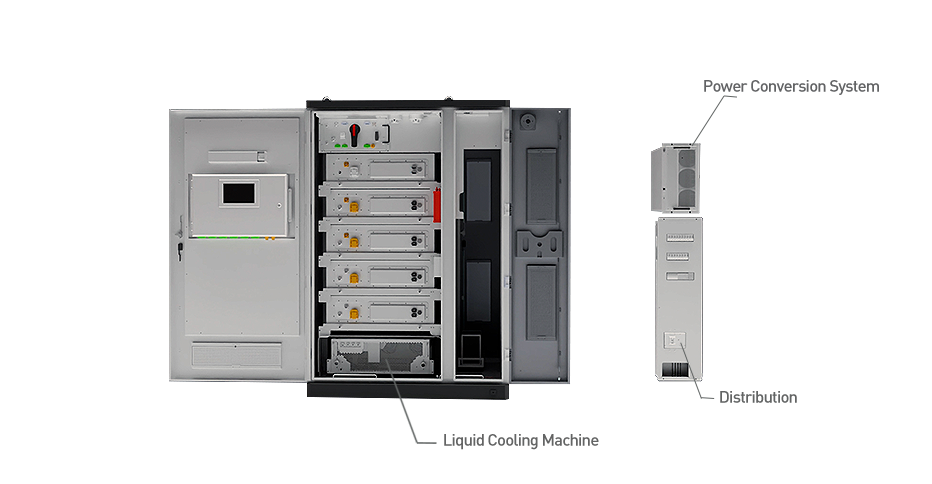
High sensitivity smoke, temperature, and combustible gas detection device.
Triple fire protection and supports the configuration of a water fire protection system.
Pack level and cluster level pressure relief devices are configured to prevent fault spread.
|
Rated Power |
100kW |
|
Rated Voltage |
AC 380V to 415V |
|
Rated Current |
140A |
|
Rated Frequency |
50Hz/60Hz |
|
Isolation Method |
Non-isolated |
|
Battery Type |
280Ah, LFP Battery |
|
Battery Rated Capacity |
215.04kWh |
|
Battery Rated Voltage |
768V |
|
Battery Voltage Range |
628V to 855V |
|
Rated Charge/Discharge Current |
150A |
|
Cycle Life |
≥8000 cycles (at 25°C, 0.5C, 80% DOD) |
|
System Energy Efficiency |
≥92% |
|
Operating Modes |
Grid-Tied/ Off-Grid |
|
Communication Method |
CAN, 485, TCP/IP |
|
Protection Level |
IP55 |
|
Anti-Corrosion Level |
C3 |
|
Fire Protection |
Aerosol |
|
Operating Temperature |
-30°C to +50°C |
|
Operating Humidity |
0% to 95% (no condensation) |
|
Altitude |
≤2000m (derating above 2000m) |
|
Cooling Method |
Intelligent Liquid Cooling |
|
Overall Dimensions (WDH) |
1330mm*2050mm*1400mm |
|
Weight |
Approximately 2.4 tons |
Dry, ventilated space (-30°C to 50°C), free of corrosion & interference. Stable surface with clearance for heat dissipation. Must be grounded & follow installation manual.
Regularly inspect connections, insulation, and ventilation. Replace batteries as needed. Clean vents without letting fluids enter equipment.
Commercial and industrial energy storage systems can store surplus photovoltaic power generated during the day and release electricity during peak demand or when photovoltaic output is insufficient, thereby increasing the proportion of self-consumption of photovoltaic power, enhancing power supply stability, and reducing reliance on the grid.
Yes. By charging during low-price periods and discharging during high-price and high-load periods, the energy storage system can effectively reduce demand charges and overall electricity costs, and demand charges are a significant component of electricity expenses for commercial and industrial users.
The system uses lithium iron phosphate (LFP) battery technology and is equipped with multiple safety protection designs, including real-time monitoring by the battery management system (BMS), intelligent liquid cooling temperature control, aerosol fire extinguishing system, and IP55 protection rating enclosure, ensuring safe and reliable operation.
Based on LFP batteries, the energy storage system can achieve ≥8000 cycles at 80% depth of discharge, and can operate stably for more than 10 years under normal conditions, with low performance degradation and high reliability.
Yes. The system supports multi-level parallel connection, allowing for flexible capacity expansion based on the growing energy needs of the enterprise, without requiring extensive modifications to the existing power infrastructure.
PVB offers a complete after-sale service includes installation, commissioning, maintenance, and battery replacements. Warranty covers repairs/replacements. Paid service available after.