Definition (Quick answer)
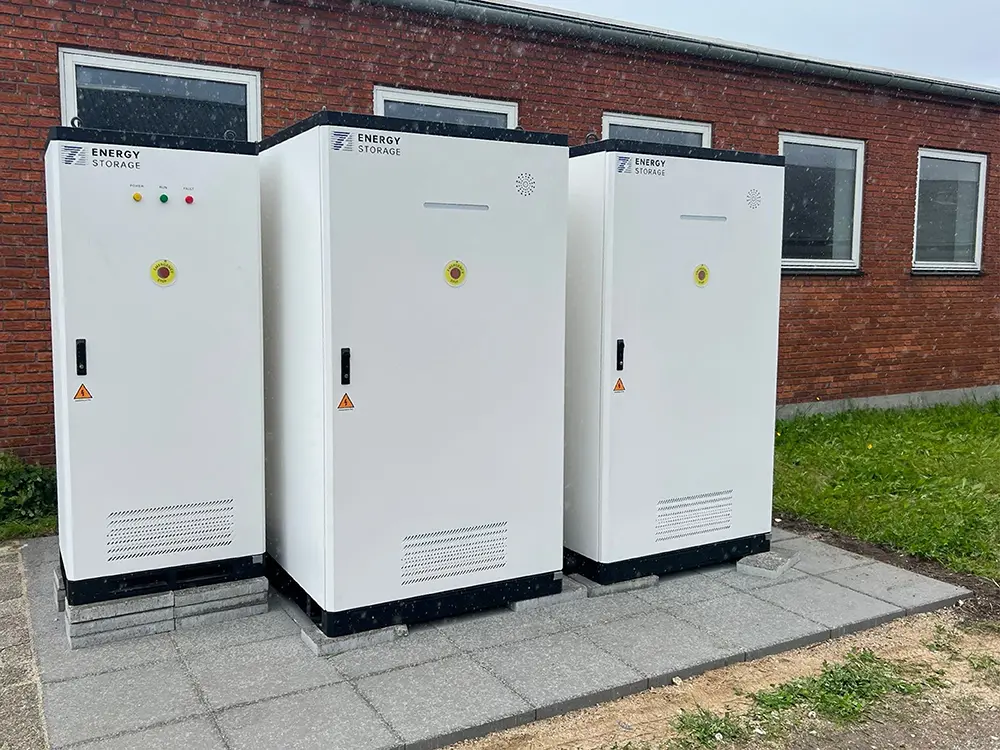
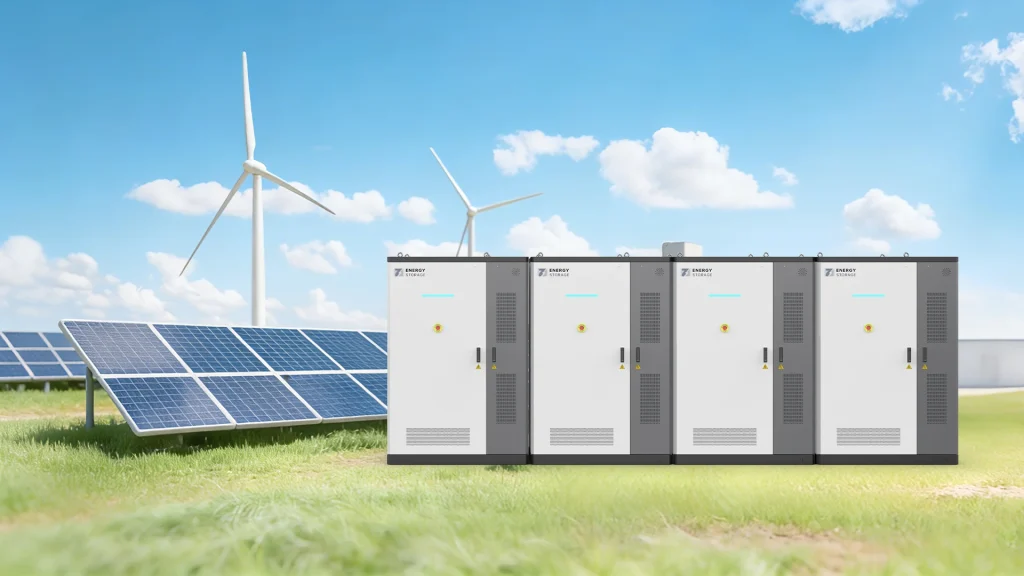
A BESS (Battery Energy Storage System) is a system that stores electricity in batteries and delivers it back when needed, helping commercial and industrial sites manage peaks, shift energy across time windows, and improve power resilience.
When you evaluate a BESS, think “system”, not “battery box”: controls, inverter, thermal management, protection, and data logging often decide real-world results.
1) What does BESS stand for?
BESS stands for Battery Energy Storage System. In energy projects, it refers to a complete storage solution that includes:
- batteries (energy)
- power conversion (power)
- control logic (dispatch)
- safety and protection
- measurement and data logs
2) How does a BESS work? (In 60 seconds)
At a high level, a BESS follows three steps:
- Charge: the system charges from the grid, solar PV, or a generator
- Store: energy sits in the battery under controlled safety limits
- Discharge: the system delivers power back to your site when it adds the most value
The key is when and how it charges/discharges — that’s dispatch logic, not just battery capacity.
3) Key components of a BESS (buyers should understand these)
A BESS has six core building blocks. If any block is weak, performance, uptime, or safety can suffer.
- Battery + BMS: stores energy, monitors cells, keeps operation inside limits
- PCS (inverter): converts DC↔AC and delivers usable site power
- EMS (controller): decides dispatch; handles caps, charging windows, reserves
- Thermal management: keeps temperature within an operating range
- Protection + metering: site/grid protection, measurement, compliance evidence
- Enclosure (cabinet/container): footprint, spacing, and maintenance workflow
4) What is BESS used for in C&I sites?
4.1 Peak shaving (reduce peak demand)
BESS can reduce short demand spikes and keep site import under a target cap, especially valuable where demand charges or contracted capacity penalties apply.
4.2 Energy shifting (move energy to higher-value hours)
Sites with solar PV often use BESS to store midday surplus and use it later (evening ramps, shift changes, or higher tariff windows).
4.3 Backup and resilience
Some sites use BESS as part of a resilience strategy to protect critical loads during outages or grid constraints.
4.4 EV charging support (buffering)
For sites adding EV chargers, BESS can smooth peaks and reduce the need for immediate transformer upgrades (site-specific).
5) Common buyer mistakes in 2026 (and how to avoid them)
- Buying nameplate kWh instead of usable energy Usable energy depends on reserve buffers, efficiency losses, thermal limits, and ageing.
- Ignoring data quality and interval resolution Peak behaviour happens in short windows. Many tariffs settle at high granularity (often 15-minute intervals in many markets; 30-minute in some). Monthly bills can hide the spikes you need to manage.
- Weak EMS logic creating a rebound peak A rebound peak is a secondary spike created when the BESS recharges too aggressively after discharge, sometimes wiping out the benefit of peak shaving.
- Not checking derating in heat or heavy cycling A system may look fine on paper but deliver less power or less usable energy under harsh conditions.
- Assuming expansion later is always easy Adding batteries later (augmentation) can cause mismatch unless the system is designed for it.
6) Can a BESS be expanded later? (augmentation)
Yes — but only if the PCS and EMS are designed for modular expansion. Adding new batteries to an aged system can create mismatch. Ask for an augmentation plan and how the controls prevent older blocks from limiting new capacity.
7)FAQ
BESS means Battery Energy Storage System — a complete system combining batteries, inverter, controller, safety protection, and data logging.
BESS is a type of ESS. ESS can also include flywheels, pumped hydro, thermal storage, etc. BESS refers specifically to battery-based storage.
Battery/BMS, PCS (inverter), EMS (controller), thermal management, protection and metering, and enclosure (cabinet/container).
A rebound peak is a new spike created when the BESS recharges at high power immediately after discharge, potentially cancelling peak shaving benefits.
Typical projects plan around 10–15 years, but real life depends on cycling, temperature, and the system’s thermal and control strategy.
Modern BESS can be safe when designed, installed, and operated with appropriate monitoring, protection, thermal management, and site safety measures.
Often yes — but results depend on tariff structure, peak behaviour, control logic, and whether the system is sized and operated correctly.
Yes, but only if the system is designed for augmentation. Ask for an augmentation plan and how mismatch is handled.
Next step
If you want a faster, more accurate recommendation, prepare: 12 months of interval load data (if available), your tariff rules (especially demand charges or time windows), and site constraints (transformer headroom, footprint). Submit these details via our contact form, and the PVB team will recommend a practical architecture and sizing range for your site.