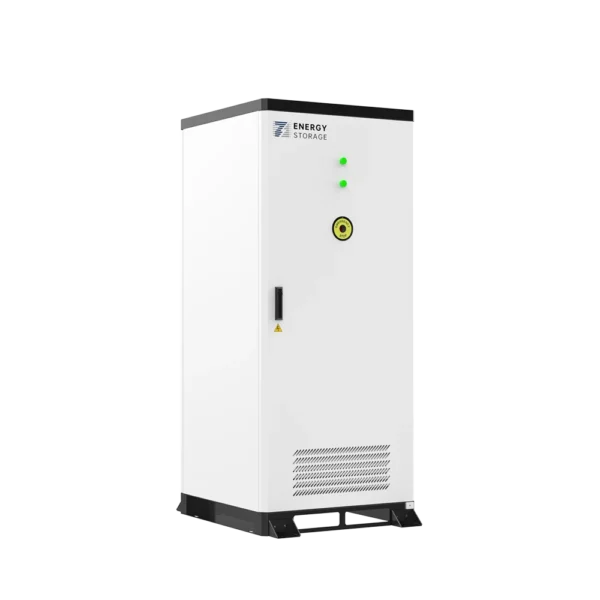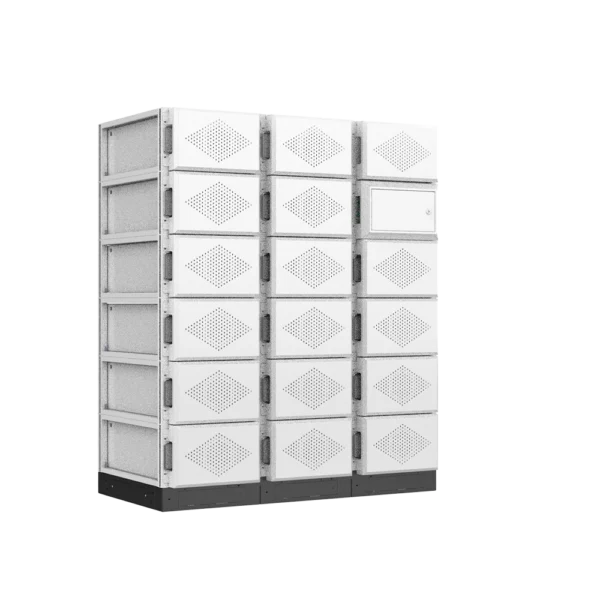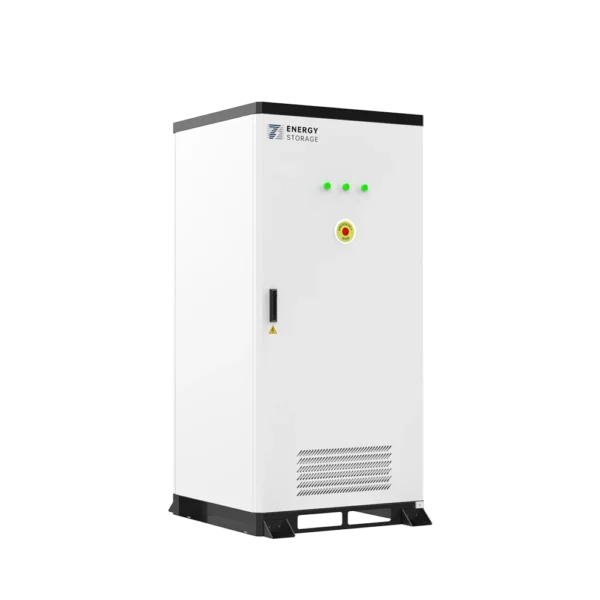
Enhance power resilience, reduce operating costs, and optimize energy performance with an integrated data-center-grade ESS.
Enhance power resilience, reduce operating costs, and optimize energy performance with an integrated data-center-grade ESS.
Data centers operate critical workloads that require consistent,
interruption-free power. At the same time, global energy
infrastructure is under pressure.
Core challenges:
Increasing risk of grid instability
Rising peak demand charges and electricity costs
Long and expensive grid-capacity upgrade cycles
Fast-growing computing load (AI, cloud, colocation)
Regulatory pressure for lower carbon emissions
Diesel generators are restricted by ESG targets

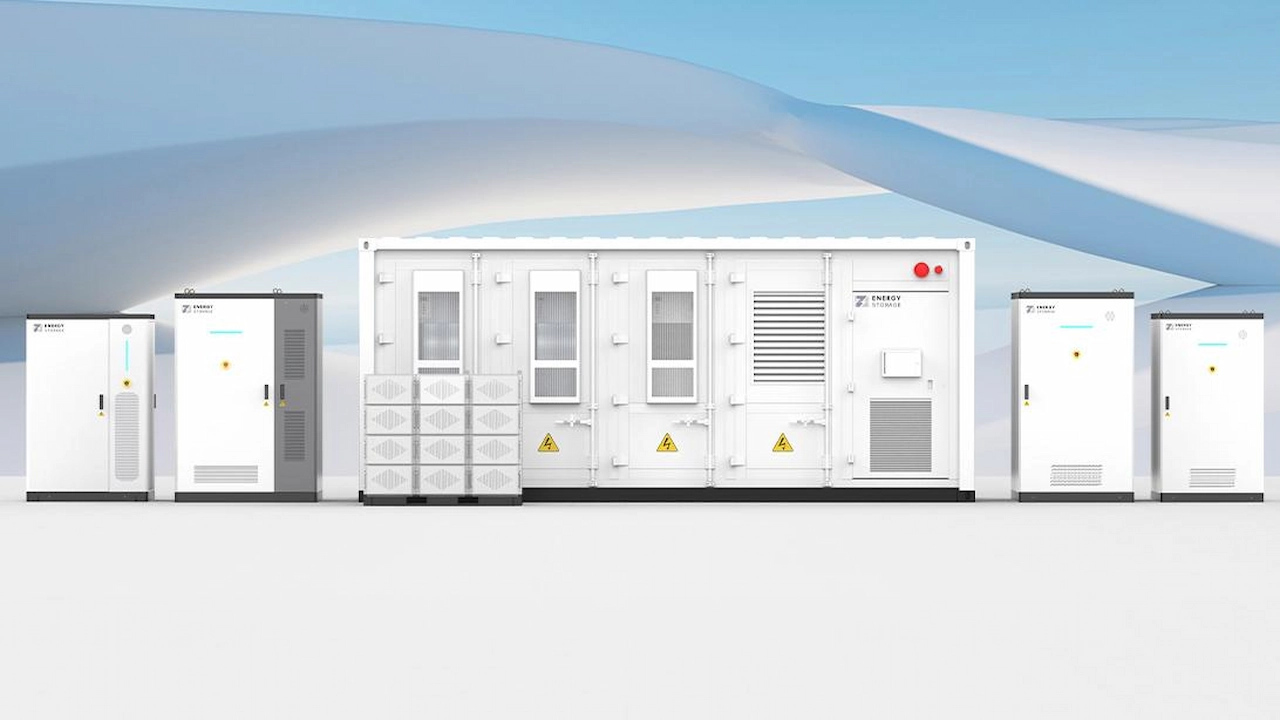
PVB commercial and industrial battery energy storage system cabinet adopts a modular design concept, combining the functions of an energy storage battery, battery management system (BMS), fire protection, energy management, and more. This design enables flexible adaptation to data centers.
High lights:
Strong compatibility: Highly integrated design, Flexible compatibility or external PCS, and achieve rapid deployment and system expansion.
Intelligent and Efficient: Mature energy management strategies and equipment control, intelligent operation and maintenance, and remote control to maximize the product’s value.
High Safety: Multi-level fire protection system, graded isolation with interlocking safeguards, liquid cooling temperature control, ensuring the secure and stable operation of the product.
Flexible and Easy to Install: Supports multi-level parallel connection, bottom busbar design, maximizing land space utilization.
C&I solar energybattery storage react to grid disturbances within milliseconds, ensuring uninterrupted and stable power for critical IT loads. This enhances overall system availability and reduces dependence on diesel generators.
By charging during off-peak hours and discharging during peak demand, the battery energy storage system effectively lowers demand charges—one of the most measurable and impactful operating cost reductions for data center operators.

Energy storage solutions provides instant supplemental power capacity to support growing IT workloads, eliminating the long lead times and high costs associated with traditional grid expansion.
BESS battery energy storage systems smooths the intermittency of renewable energy, increases green power usage, and helps data centers meet sustainability targets and ESG compliance requirements.
To meet diverse data center power requirements under different grid conditions, we provide flexible and reliable energy storage solutions. Our portfolio covers dynamic capacity expansion in on-grid operation, automatic on-grid/off-grid operation, and fully independent off-grid operation.
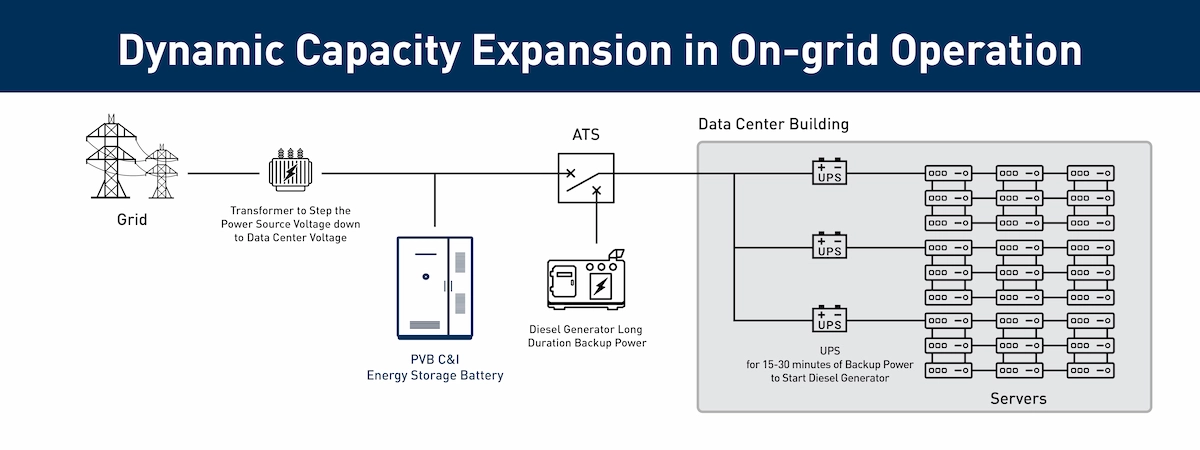
Address transformer capacity shortages during load increases by utilizing energy storage discharge to offset additional consumption. Alternatively, integrate other green energy sources into the storage system to reduce grid dependency.
Operate loads using stored energy during peak grid pricing periods, while charging storage from the grid during off-peak hours to minimize electricity costs during high-rate periods.
Diesel generators serve as the final power protection measure, operating independently of the energy storage grid. They activate only when required during off-grid operation, minimizing the frequency of fossil fuel usage.
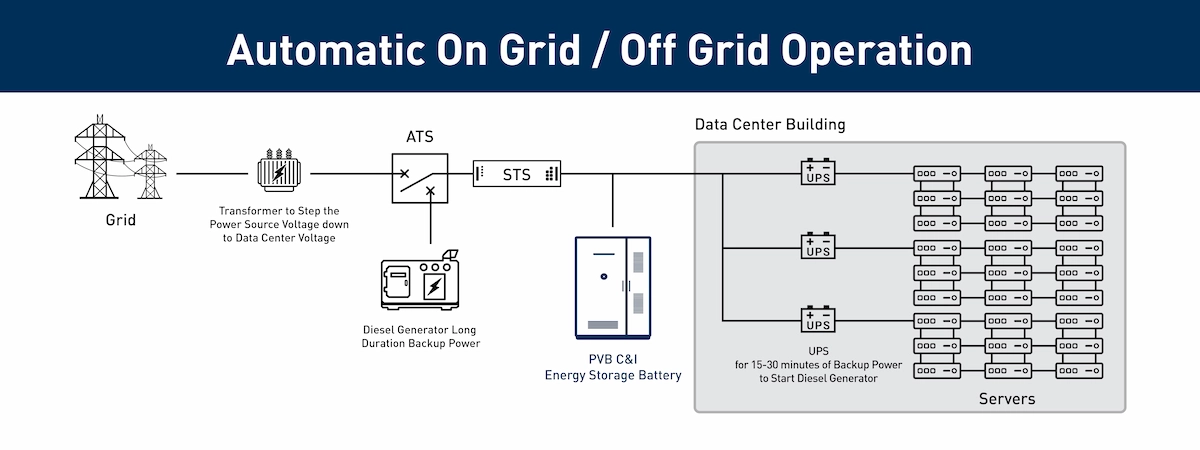
Ensures stable equipment operation during prolonged grid outages, while cost-effectively extending UPS runtime.
Allows energy storage systems to supply loads during peak electricity price periods, and to be charged from the grid during low-tariff periods, effectively reducing overall power costs.
Diesel generators serve as the final layer of power protection and operate in coordination with energy storage systems, starting only when necessary to reduce reliance on polluting energy sources.
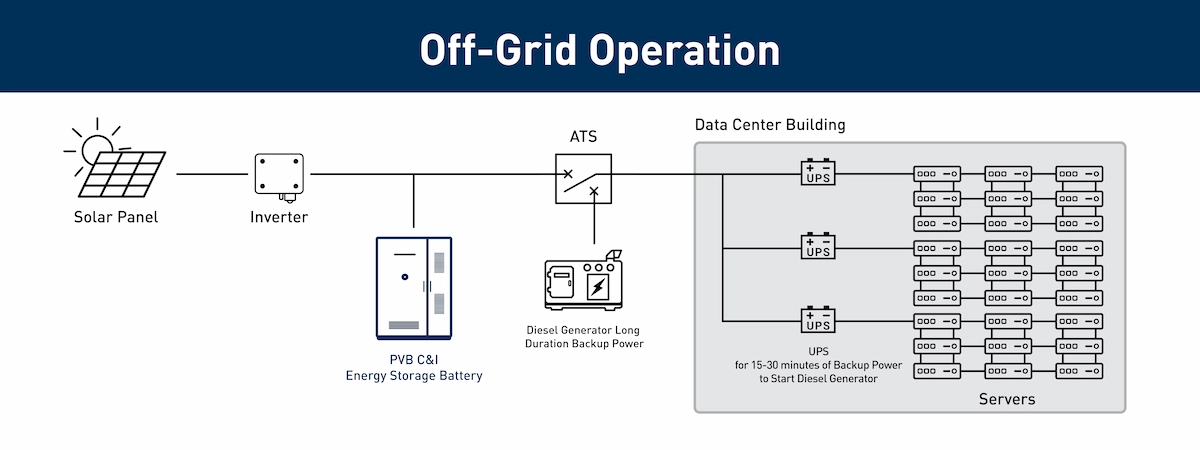
Ensures stable equipment operation during prolonged grid outages, while cost-effectively extending UPS runtime.
Allows energy storage systems to supply loads during peak electricity price periods, and to be charged from the grid during low-tariff periods, effectively reducing overall power costs.
Energy storage systems respond to grid disturbances within milliseconds, ensuring uninterrupted power for critical IT loads. They work alongside UPS systems to enhance overall power resilience and availability.
Yes. By charging during off-peak hours and discharging during peak demand, energy storage significantly reduces demand charges—one of the largest and most measurable components of data center OPEX.
Modern ESS uses LFP battery chemistry combined with multi-layer safety design, including BMS, thermal management, and fire suppression systems, making it suitable for high-reliability data center applications.
Energy storage can partially replace diesel generators for short-duration backup and grid instability events. It reduces generator runtime, fuel consumption, maintenance costs, and emissions, while improving ESG performance.
C&I energy storage systems can typically be deployed and commissioned within weeks, much faster than traditional grid capacity upgrades or infrastructure expansion.
Yes. Energy storage provides instant supplemental power capacity, enabling data centers to scale IT loads and add new racks without waiting for utility grid reinforcement.
LFP-based energy storage systems are designed for long service life, typically exceeding 10 years under normal operating conditions, with high cycle stability and low degradation.
While energy storage requires an upfront investment, it reduces demand charges, avoids costly grid upgrades, and lowers reliance on diesel generators—resulting in predictable payback and long-term OPEX savings.
Energy storage systems respond to grid disturbances within milliseconds, ensuring uninterrupted power for critical IT loads. They work alongside UPS systems to enhance overall power resilience and availability.
Yes. By charging during off-peak hours and discharging during peak demand, energy storage significantly reduces demand charges—one of the largest and most measurable components of data center OPEX.
Modern ESS uses LFP battery chemistry combined with multi-layer safety design, including BMS, thermal management, and fire suppression systems, making it suitable for high-reliability data center applications.
Energy storage can partially replace diesel generators for short-duration backup and grid instability events. It reduces generator runtime, fuel consumption, maintenance costs, and emissions, while improving ESG performance.
C&I energy storage systems can typically be deployed and commissioned within weeks, much faster than traditional grid capacity upgrades or infrastructure expansion.
Yes. Energy storage provides instant supplemental power capacity, enabling data centers to scale IT loads and add new racks without waiting for utility grid reinforcement.
LFP-based energy storage systems are designed for long service life, typically exceeding 10 years under normal operating conditions, with high cycle stability and low degradation.
While energy storage requires an upfront investment, it reduces demand charges, avoids costly grid upgrades, and lowers reliance on diesel generators—resulting in predictable payback and long-term OPEX savings.
Resilience That Pays Off.
Turn energy storage into a strategic advantage for uptime, efficiency, and expansion.
Let’s develop a future-ready energy storage solution that protects availability while maximizing long-term value.
Over 30 years of experience in solar field