Many commercial and industrial buyers do not start with the question, “Should I choose AC-coupled or DC-coupled battery storage?” They usually arrive there later, after a factory already has rooftop solar, a logistics site plans EV charging, or a new industrial park begins designing PV and battery storage together.
Then two different proposals arrive. One supplier recommends AC-coupled BESS because it is easier to add to an existing site. Another recommends DC-coupled BESS because it can improve solar-to-battery efficiency. Both may be right.
The real question is not which architecture sounds better on paper. The real question is which one fits the site’s existing PV system, grid connection, load profile, export limits, tariff structure, safety requirements, and future expansion plan.
This guide explains how AC-coupled and DC-coupled battery storage work, where each architecture fits, and how C&I buyers should choose the right BESS architecture for solar-plus-storage projects.
What AC-Coupled Battery Storage Means
In an AC-coupled battery storage system, the PV system and battery storage system are connected on the AC side of the electrical system.
The solar panels generate DC power. The PV inverter converts that DC power into AC power. The battery system has its own power conversion system, often called a PCS or battery inverter, which converts AC power into DC power when charging the battery and converts DC power back into AC power when discharging.
AC-coupled BESS therefore works as a separate AC-connected energy asset. This architecture is common in retrofit projects because many C&I sites already have operating PV systems. The PV inverter, AC switchgear, metering, and grid connection may already be in place. Adding an AC-coupled BESS can often reduce the need to redesign the PV DC side.
A typical AC-coupled C&I project may include:
- Existing rooftop PV system
- Existing PV inverter
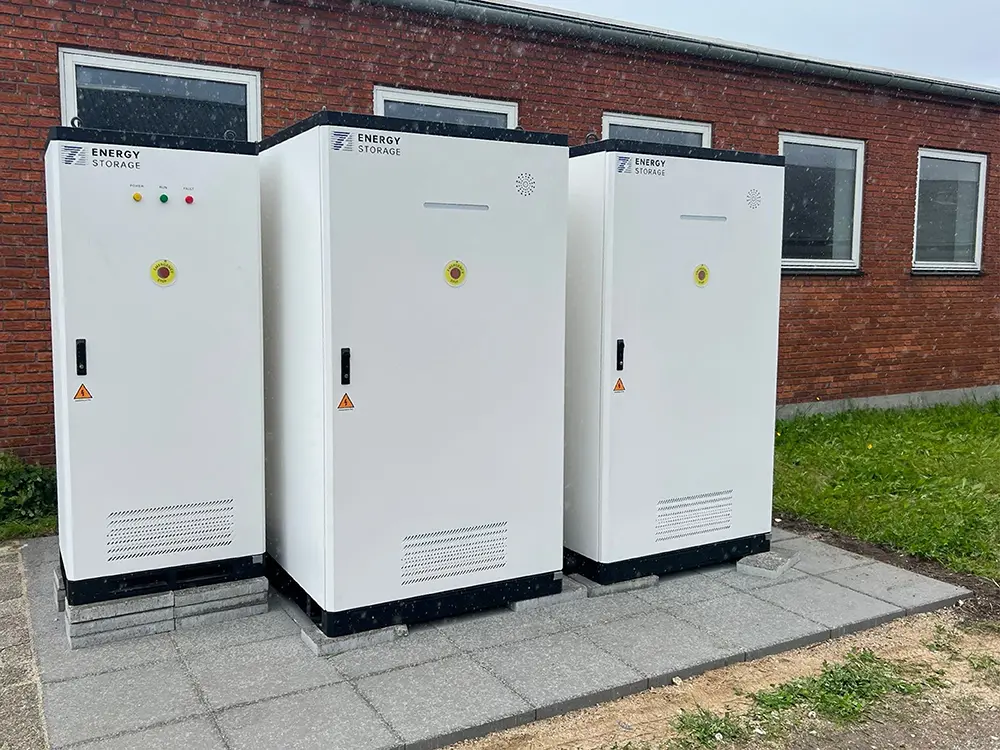
- Battery cabinet or container
- PCS or battery inverter
- EMS for energy dispatch
- AC switchgear and protection
- Site load and grid connection interface
The practical advantage is flexibility. The battery can often charge from solar, from the grid, or from both, depending on local rules, metering logic, tariff structure, and EMS control strategy. For many existing C&I sites, this flexibility matters more than theoretical architecture efficiency.
What DC-Coupled Battery Storage Means
In a DC-coupled battery storage system, the PV system and battery are connected on the DC side before final AC conversion.
Instead of converting solar DC power into AC first and then converting AC back into DC to charge the battery, a DC-coupled system can send PV energy to the battery through a DC-side architecture. This may involve DC/DC converters, a shared DC bus, or a hybrid inverter design.
DC-coupled BESS allows PV and battery storage to interact before the final AC output stage. This architecture is often attractive for new solar-plus-storage projects because the PV array, battery, PCS, protection, and EMS can be designed together from the beginning.
A typical DC-coupled C&I project may include:
- PV array
- DC combiner and protection
- DC/DC converter or hybrid inverter
- Battery cabinet or container
- PCS or shared inverter stage
- BMS and EMS coordination
- AC output to site loads or grid
DC-coupled storage may improve PV-to-battery charging efficiency and solar utilization in projects where PV and battery are designed together, especially when export limits or inverter clipping are meaningful.
AC-Coupled vs DC-Coupled BESS: Quick Comparison
| Factor | AC-Coupled BESS | DC-Coupled BESS |
|---|---|---|
| Best fit | Existing PV retrofit, site upgrade, flexible grid charging | New PV + storage project, solar utilization, clipping recovery |
| PV system impact | Usually less impact on existing PV design | PV and battery should be designed together |
| Charging source | Solar and grid charging are often easier to configure | Solar charging is natural; grid charging depends on system design |
| Conversion path | More conversion steps for PV-to-battery charging | Fewer conversion steps in many PV-to-battery designs |
| Retrofit complexity | Usually lower | Usually higher |
| New-build optimization | Good, but not always most optimized for solar capture | Often strong when PV + BESS are designed together |
| Expansion flexibility | Often easier for phased storage expansion | Depends more on DC-side design limits |
| EMS role | Coordinates PV inverter, PCS, load, grid, and tariff strategy | Coordinates PV, battery, PCS, DC-side limits, and grid behavior |
Neither architecture is automatically better. AC-coupled systems are usually more practical for many retrofit projects. DC-coupled systems can be more attractive when solar and storage are engineered together from the start.
Decision Table: Which Architecture Should You Evaluate First?
| Project Condition | Recommended First Evaluation |
|---|---|
| Existing rooftop PV already installed | AC-coupled BESS |
| New PV + storage designed together | DC-coupled BESS |
| Strict grid export limit | DC-coupled or hybrid architecture |
| Battery needs frequent grid charging | AC-coupled often easier |
| EV charging will be added later | AC-coupled or hybrid architecture |
| Solar clipping is a key issue | DC-coupled BESS |
| Site needs phased battery expansion | AC-coupled or hybrid architecture |
| Shutdown window is limited | AC-coupled BESS |
| PV system is still under warranty | AC-coupled BESS recommended |
| Site has both existing PV and planned PV expansion | Hybrid architecture recommended |
This table should not replace engineering design. It is a starting point for discussion with the EPC, electrical engineer, and BESS supplier.
When AC-Coupled BESS Makes More Sense
AC-coupled BESS often makes more sense when the PV system already exists.
This is common in commercial and industrial buildings. A factory, warehouse, retail park, or logistics site may already have rooftop solar installed. The PV system may still be under warranty. The owner may not want to modify PV strings, replace PV inverters, or interrupt an operating solar asset.
In that situation, AC-coupled storage is often the practical path.
AC-coupled BESS may be a strong fit when:
- The site already has PV installed
- The PV inverter is still usable
- The owner wants to avoid PV-side redesign
- The battery needs to charge from both PV and grid
- Peak shaving is a major goal
- Tariff optimization is important
- EV charging may be added later
- Battery expansion may happen in phases
- Shutdown time must be minimized
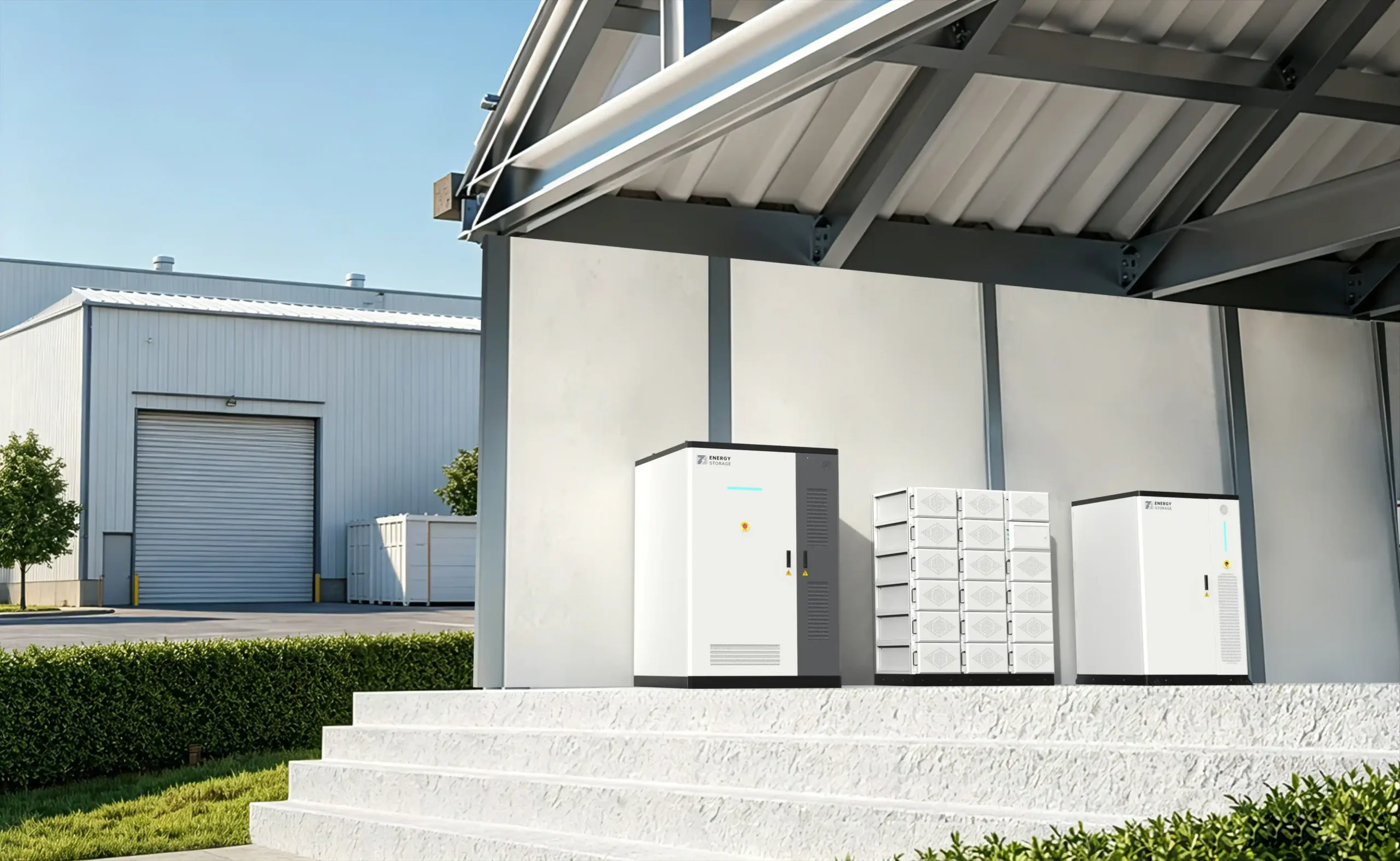
A practical example is a factory that installed rooftop solar several years ago. During normal production, solar power reduces daytime grid imports, but the site still faces high demand peaks when production lines, HVAC, compressors, and charging loads run at the same time.
In this case, an AC-coupled BESS can help reduce peak demand without rebuilding the PV plant. This is not always the most elegant architecture on a diagram. But in real C&I projects, elegance is not the only goal. Existing warranties, shutdown windows, electrical room space, grid connection rules, and installation risk all matter.
When DC-Coupled BESS Makes More Sense
DC-coupled BESS often makes more sense when the PV and battery system are designed together from the beginning.
This is especially relevant for new solar-plus-storage projects where the owner wants to maximize solar utilization. In a DC-coupled system, solar energy can be routed to the battery before final AC conversion. In some designs, this can reduce conversion steps for PV-to-battery charging.
DC-coupled BESS may also help capture clipped solar energy. In many PV projects, the DC capacity of the solar array is larger than the AC inverter capacity. During strong sunlight periods, the inverter may limit output. The unused solar energy is often called clipped energy.
A DC-coupled battery may capture part of this clipped energy if the DC-side architecture, battery charging capacity, PCS rating, and EMS strategy are designed for it.
DC-coupled BESS may be a strong fit when:
- PV and battery storage are planned as one project
- Solar self-consumption is a major goal
- The site has export limits
- The project has meaningful inverter clipping
- The battery will mainly charge from solar
- The owner wants a more integrated PV + BESS design
- The engineering team can coordinate PV, BESS, PCS, EMS, and protection together
A practical example is a new industrial park with a large rooftop PV system. If local grid export is limited, the site may not be able to send all midday solar generation to the grid. A properly designed DC-coupled BESS can store more solar energy and discharge it later when site loads rise or electricity prices become more expensive.
However, DC coupling must be engineered carefully. It is not simply “more efficient” by default. The final result depends on system design, equipment compatibility, voltage range, conversion efficiency, protection design, EMS control, and operating strategy.
Hybrid Architecture for Complex C&I Sites
Some C&I projects do not fit neatly into AC-coupled or DC-coupled categories.
A site may already have rooftop PV but also plan a new PV expansion. A logistics hub may want solar, battery storage, EV charging, backup power, and grid export control. A factory may need peak shaving today and larger energy flexibility later.
In these cases, a hybrid architecture may be worth evaluating. Its main value is flexibility and future-proofing. A hybrid approach may combine AC-coupled and DC-coupled elements, or use a system design that allows multiple energy paths.
Hybrid architecture may be useful when:
- The site has existing PV and planned new PV
- EV charging demand will grow over time
- The owner wants phased storage expansion
- Export limits are strict
- Backup loads must be separated from ordinary loads
- The site has both self-consumption and peak shaving goals
- Future tariff changes are expected
In these projects, EMS control becomes especially important. Without strong EMS logic, a hybrid system can become complex without becoming more valuable.
PCS, EMS, and BMS: Why Control Logic Matters
The architecture choice is not only about AC wiring or DC wiring. It is also about control.
A C&I battery storage system depends on three important control layers: PCS, EMS, and BMS.
The PCS controls power conversion between DC and AC. In an AC-coupled system, the PCS is usually the main bridge between the battery and the site’s AC system. In a DC-coupled system, the PCS or hybrid inverter architecture may be more closely integrated with the PV side.
The EMS decides when the battery charges, discharges, limits export, reduces peak demand, supports backup reserve, follows tariff signals, or responds to EV charging demand. In C&I projects, EMS logic often decides whether the project actually saves money.
The BMS protects the battery. It monitors cell voltage, temperature, current, state of charge, state of health, alarms, and safe operating limits. The BMS must communicate clearly with the PCS and EMS so the battery is not pushed outside safe limits.
For buyers, this matters because a technically correct architecture can still perform poorly if the control strategy is weak.
A good EMS should answer practical questions such as:
- Should the battery charge from solar now or wait for cheaper grid power later?
- Should capacity be reserved for backup?
- Should discharge be limited to reduce battery stress?
- Should the system prioritize peak shaving or PV self-consumption?
- How should the BESS respond when EV charging loads increase?
- How should the system behave when grid export is limited?
- How will alarms, performance data, and operation history be reported?
This is where real engineering experience becomes more important than brochure claims. For a deeper component-level explanation, see PVB’s BESS Components Guide: BMS vs PCS vs EMS.
Cost Considerations: Do Not Compare Only Battery Price
Architecture affects cost, but not always in the obvious way.
A DC-coupled system may reduce some conversion steps in certain designs, but it may require more integrated engineering, DC-side protection, and specialized commissioning. An AC-coupled system may require a separate PCS, but it may reduce retrofit complexity, shorten installation time, and protect the existing PV design.
C&I buyers should compare total installed cost, not only battery price per kWh.
Important cost items include:
- Battery cabinets or containers
- PCS or hybrid inverter equipment
- EMS and communication integration
- Switchgear and protection
- DC combiner or DC/DC equipment
- Transformer and interconnection work
- Civil works and installation
- Fire safety design
- Testing and commissioning
- Monitoring platform
- Maintenance and service
- Downtime during installation
A slightly cheaper architecture can become more expensive if it causes longer shutdowns, redesign work, grid approval delays, weak control logic, or lower operating value.
For C&I projects, financial modeling should include demand charge reduction, PV self-consumption, tariff arbitrage, avoided curtailment, backup value, degradation, round-trip efficiency, maintenance cost, and system availability. PVB’s C&I BESS total installed cost guide explains this CFO view in more detail.
Safety and Compliance Considerations
AC-coupled and DC-coupled BESS both require serious safety design.
Neither architecture is automatically safer. Safety depends on system-level certification, battery chemistry, enclosure design, thermal management, BMS protection, PCS behavior, fire detection, spacing, emergency response access, installation quality, and local code compliance.
For C&I buyers, important safety and compliance questions include:
- Is the complete ESS evaluated as a system, not only as separate components?
- Does the supplier provide battery, PCS, BMS, EMS, and enclosure documentation?
- Are thermal management and fire safety designed for local ambient conditions?
- Is there clear emergency shutdown logic?
- Are alarms visible through the monitoring platform?
- Is the installation layout compatible with local fire code and insurer requirements?
- Are commissioning and maintenance responsibilities clearly defined?
How to Choose the Right BESS Architecture
The best way to choose between AC-coupled and DC-coupled BESS is to start from the site, not from the equipment catalog.
Ask these questions first:
- Is the PV system existing or new?
- Will the battery mainly charge from solar, from the grid, or from both?
- Is the project focused on peak shaving, PV self-consumption, backup, EV charging, or export limitation?
- Are there grid export limits?
- Is solar clipping a meaningful issue?
- How much shutdown time can the site tolerate?
- Is future expansion likely?
- Who will operate and maintain the system?
- Does the EMS support the required dispatch strategy?
- Can the supplier provide complete system-level documentation?
If the site already has PV and wants lower retrofit risk, AC-coupled BESS should usually be evaluated first. If the project is a new solar-plus-storage system and solar utilization is the core value driver, DC-coupled BESS should be evaluated carefully. If the site has both existing PV and future expansion plans, a hybrid architecture may be the better discussion.
How PVB Supports C&I Solar Battery Storage Projects
PVB supports C&I solar battery storage projects by helping buyers match system architecture to real site conditions, rather than treating BESS as a standalone battery purchase.
For existing PV sites, PVB can support AC-coupled retrofit projects where the priority is lower installation disruption, peak shaving, grid charging flexibility, and future EV charging integration.
For new PV-plus-storage projects, PVB can support DC-coupled or hybrid system planning where solar utilization, export limitation, clipping recovery, and long-term expansion need to be considered from the beginning.
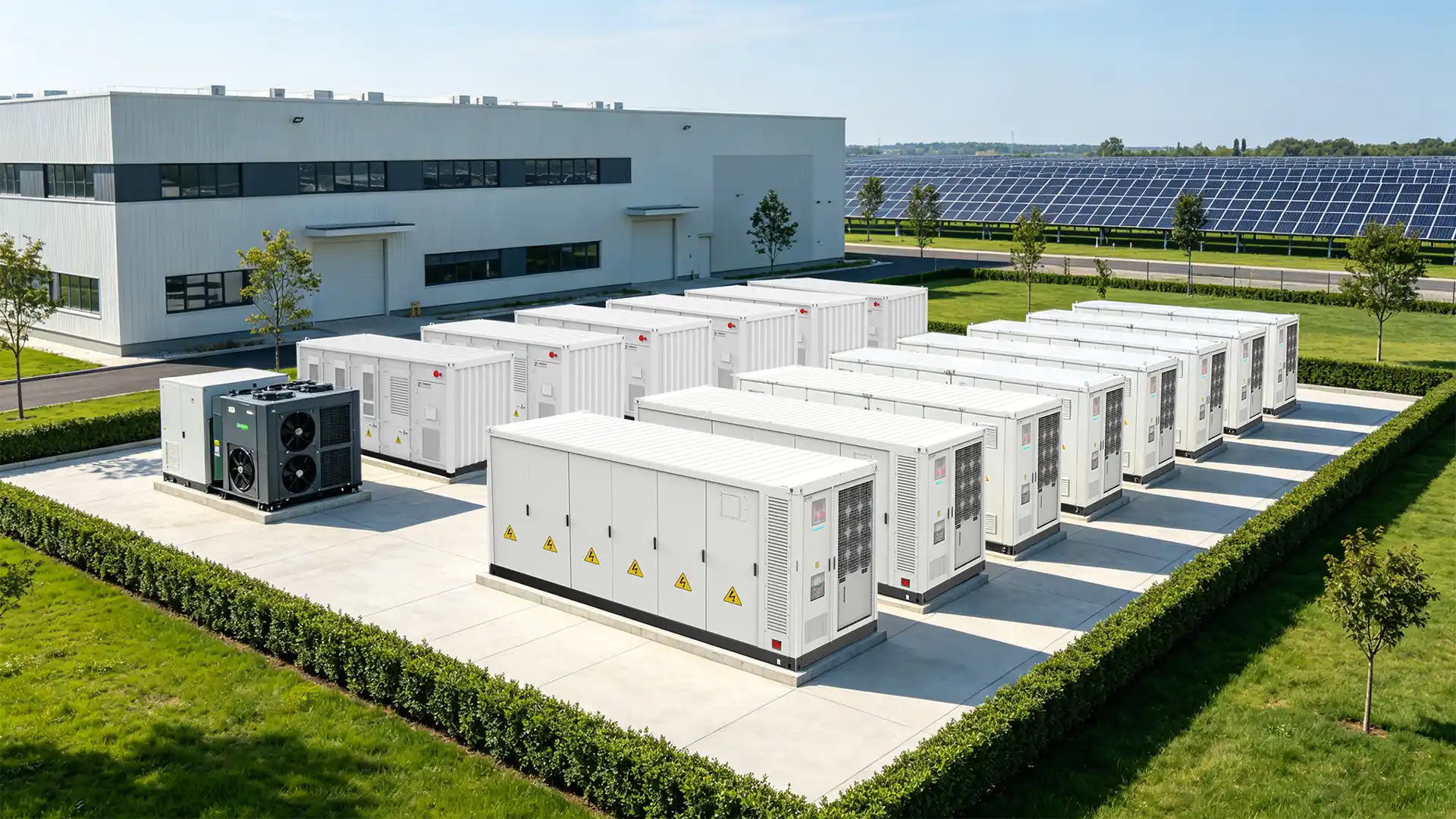
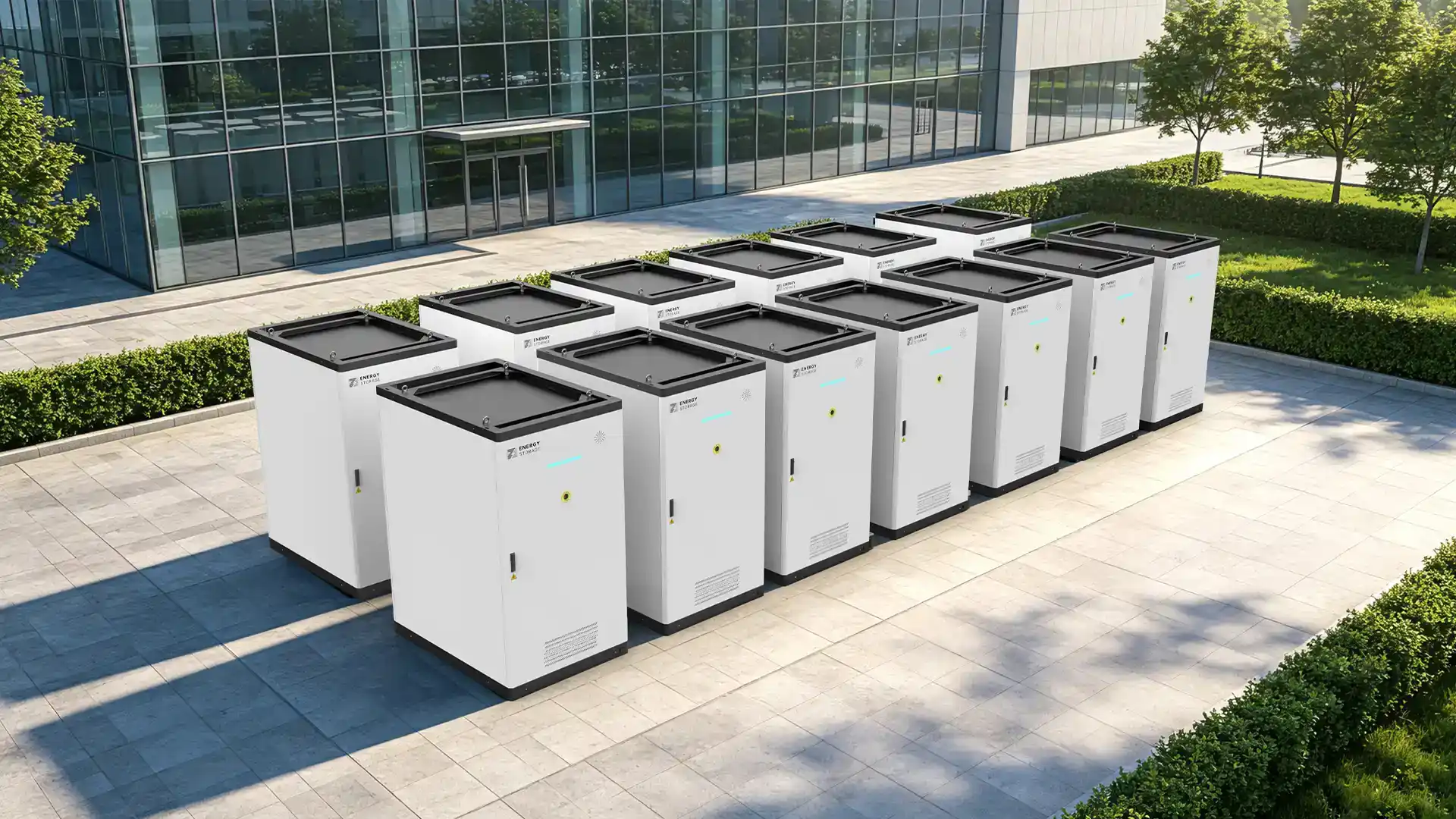
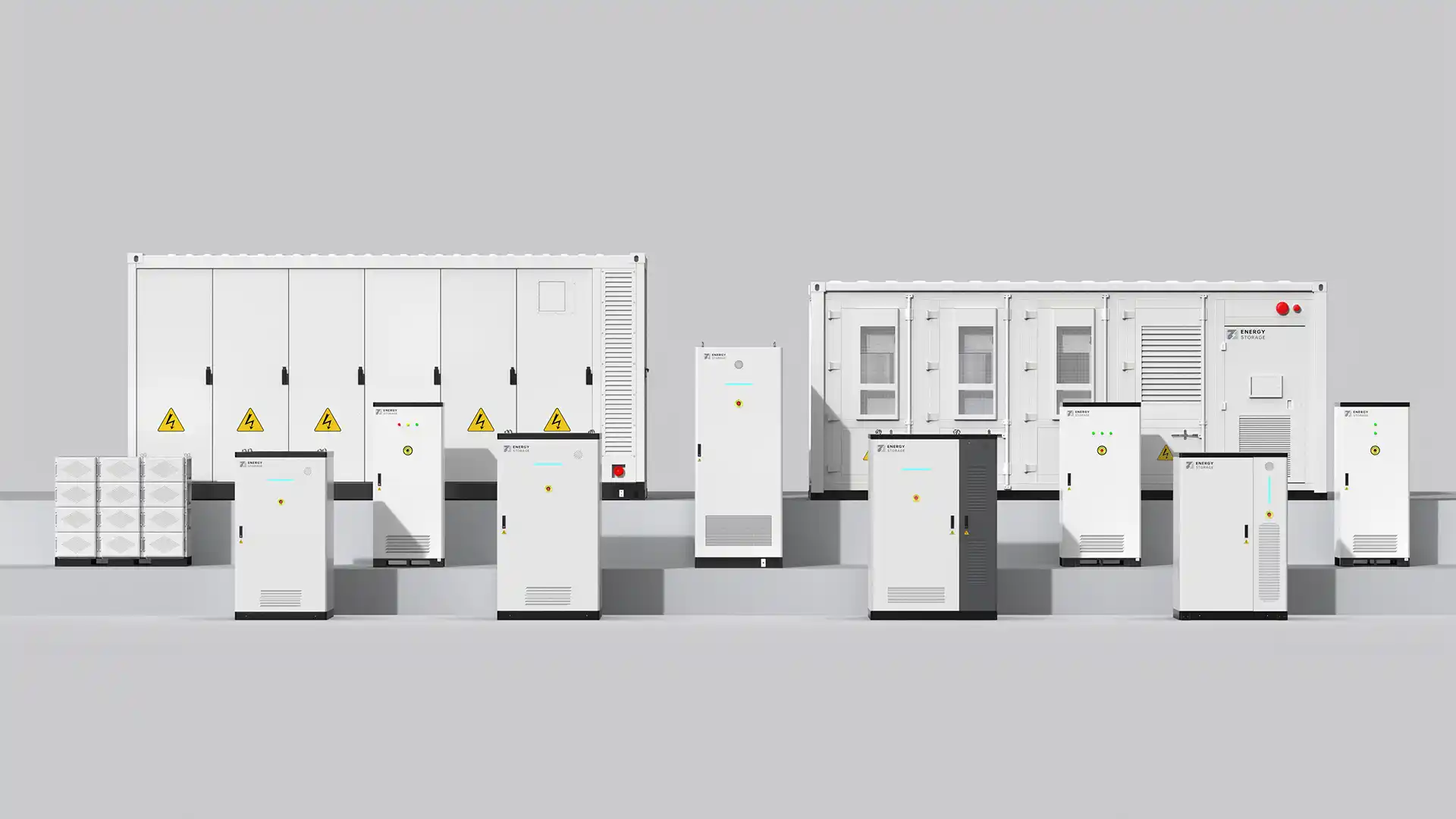
PVB’s C&I energy storage solutions can be configured for cabinet-based projects, containerized systems, and solar-storage-charging applications for factories, warehouses, logistics parks, commercial buildings, and industrial campuses.


Depending on project requirements, PVB solutions can support:
- Solar self-consumption
- Peak shaving
- Load shifting
- Backup power support
- Grid export limitation
- EV charging integration
- Factory and warehouse energy management
- Commercial building energy optimization
- Cabinet-based C&I BESS
- Containerized MWh-level storage systems
The most important step is not choosing AC or DC coupling first. It is understanding the site’s load, PV profile, grid limit, tariff structure, available space, safety requirements, and expansion plan. From there, the right BESS architecture becomes much easier to define.
Conclusion
AC-coupled and DC-coupled BESS are both valid architectures for C&I solar projects.
AC-coupled BESS is often the practical choice for existing PV sites, retrofit projects, flexible grid charging, and phased expansion. DC-coupled BESS is often attractive for new solar-plus-storage projects where PV utilization, clipping recovery, and integrated design are important.
There is no universal winner. For C&I buyers, the safest decision is to avoid choosing based on one simple claim such as “higher efficiency” or “lower cost.” Instead, evaluate the full system: PV design, load profile, PCS rating, EMS logic, BMS protection, grid connection, installation risk, safety compliance, and long-term service.
For C&I sites, a well-designed BESS is not only an energy storage device. It is a strategic energy asset that connects solar generation, grid constraints, operating loads, and long-term energy cost control.
FAQ
What is the main difference between AC-coupled and DC-coupled BESS?
AC-coupled BESS connects the battery system on the AC side through a dedicated PCS or battery inverter. DC-coupled BESS connects PV and battery on the DC side before final AC conversion, often through DC/DC converters, a shared DC bus, or hybrid inverter architecture.
Is AC-coupled BESS better for existing solar systems?
In many retrofit projects, yes. AC-coupled BESS is often easier to add to an existing PV system because it can work with the existing PV inverter and AC distribution infrastructure, reducing the need to redesign the PV DC side.
Is DC-coupled BESS more efficient?
DC-coupled BESS may improve PV-to-battery charging efficiency in projects where solar energy charges the battery directly through the DC-side architecture. However, real efficiency depends on system design, equipment selection, operating strategy, PCS efficiency, and how often the battery charges from solar versus the grid.
Can DC-coupled BESS charge from the grid?
It depends on the system design. Some DC-coupled or hybrid systems can support grid charging, but the configuration, inverter architecture, metering, grid rules, and EMS logic must be confirmed during engineering design.
When should a C&I site choose AC-coupled BESS?
A C&I site should consider AC-coupled BESS when it already has PV installed, wants to reduce retrofit complexity, needs grid charging flexibility, or plans to add storage without redesigning the PV DC side.
When should a C&I site choose DC-coupled BESS?
A C&I site should consider DC-coupled BESS when PV and battery storage are planned together, solar self-consumption is a major goal, grid export is limited, or the project wants to capture solar energy that might otherwise be clipped.
Can AC-coupled BESS support EV charging?
Yes. AC-coupled BESS can support EV charging loads by reducing peak demand, shifting energy, and coordinating site loads through EMS control. For larger EV charging sites, system sizing and load management become especially important.
Which architecture is safer?
Neither architecture is automatically safer. Safety depends on system-level design, battery chemistry, BMS protection, PCS behavior, thermal management, fire protection, installation quality, and compliance with applicable standards and local code.
External References
- IEA – Batteries and Secure Energy Transitions. Available at: https://www.iea.org/reports/batteries-and-secure-energy-transitions (Accessed: 18 June 2026)
- U.S. Department of Energy – Solar-Plus-Storage 101. Available at: https://www.energy.gov/eere/solar/articles/solar-plus-storage-101 (Accessed: 18 June 2026)
- NREL – Solar Installed System Cost Analysis. Available at: https://www.nrel.gov/solar/market-research-analysis/solar-installed-system-cost.html (Accessed: 18 June 2026)
- UL 9540 – Energy Storage Systems and Equipment. Available at: https://www.shopulstandards.com/ProductDetail.aspx?productId=UL9540 (Accessed: 18 June 2026)
- NFPA 855 – Standard for the Installation of Stationary Energy Storage Systems. Available at: https://www.nfpa.org/codes-and-standards/nfpa-855-standard-development/855 (Accessed: 18 June 2026)