Do not choose a battery from the size of your factory or the total on one electricity bill. Start with the problem you want to solve: a costly power peak, unused solar power, limited grid capacity or a short outage that could spoil products.
- Power (kW) tells you how much equipment the battery can support at one time.
- Energy (kWh) tells you how long the battery can support that equipment.
A battery often saves money by supplying part of the power during the factory’s most expensive peak. It does not make the factory use less electricity by itself. It is also not automatically a backup power system: extra switching, wiring and safety equipment are needed before it can power a cold room during an outage.
You do not need to calculate the final system yourself. Send PVB the information listed in Section 11, and ask for a proposal that clearly shows what the battery will do, how long it will run and how the savings were estimated.
The right battery for a food factory depends on when the factory uses the most power, how long that high use lasts and which equipment must keep running during a power cut. For many plants, the best return comes from lowering expensive power peaks, using more of their own solar energy and keeping only the most important refrigeration and safety equipment running during a short outage.
A food factory does not use power at one steady level. Compressors switch on and off, pumps start, packaging lines change speed, cleaning equipment runs at certain times and cold rooms must stay within safe temperatures. That is why one monthly bill is not enough to choose the battery: it does not show what caused the peak or how long it lasted.
Ask the utility or energy meter for readings every 15 minutes. They show when each peak happened and how long it lasted.
Use kW to decide how much equipment the battery can support, and kWh to decide for how long.
Do not pay to back up the whole factory if only the cold rooms, controls, alarms and safe-shutdown equipment matter.
Quick Answer: Which BESS Direction Fits Your Food Plant?
Start with the factory’s biggest business problem. The table below gives a sensible first direction; the final size still needs real factory data.
| If the plant mainly has… | What the battery should do | What you need to check |
|---|---|---|
| Short, repeated production or compressor peaks | Provide enough power to cover the part of the peak you do not want to buy from the grid | How high the peak is, how long it lasts and how often it happens |
| Long refrigeration peaks lasting several hours | Run the required cooling equipment for the full peak period | Whether pre-cooling or changing the refrigeration schedule could reduce the battery size |
| Unused midday solar and high evening refrigeration demand | Store spare solar energy at noon and use it later in the day | How much solar is really left over on a normal day and whether the factory can use it later |
| Short outages that threaten cold rooms, controls or safe shutdown | Keep a chosen list of important equipment running for a stated time | Which loads are essential and whether the site has the switching and safety equipment needed for backup |
| A grid or transformer limit blocking new production equipment | Supply extra power only when the factory briefly reaches the grid limit | Whether the problem is temporary or the factory still needs a larger transformer or grid connection |
| Long-duration whole-plant backup | Work together with a generator and a plan for switching off non-essential loads | Typical outage length and whether a very large battery is worth buying for rare events |
Start Here: Does the Food Processing Plant Actually Need a BESS?
A battery is worth studying when it can solve a cost or risk that you can put a number on. Examples include high peak-power charges, unused solar energy, a grid limit that blocks expansion, high generator costs or product losses during power cuts.
| What you see at the factory | What to find out | How a battery may help |
|---|---|---|
| Short, expensive demand peaks | How high each peak is, how long it lasts and how your utility charges for it | Supply part of the power during the peak so less comes from the grid |
| Rooftop solar is being exported or switched off | How much solar is left after the factory has used what it needs | Store the spare solar power and use it later |
| Grid connection is too small for expansion | The factory’s grid limit and the power needed by the new equipment | Cover short periods above the limit while a permanent upgrade is considered |
| Outages threaten cold rooms or safe shutdown | Which equipment must stay on and for how long | Keep selected cold-room, control and safety equipment running when the site is built for backup operation |
| Generator fuel and runtime are high | How often outages occur, how long they last and how much fuel the generator uses | Handle short outages or reduce the time the generator must run |
1. Which Food Processing Facilities Have the Strongest BESS Use Case?
Food factories use power in very different ways. A frozen-food warehouse may run cooling equipment all day, while a bakery may have shorter production peaks. The same battery size should not be copied from one type of factory to another.
| Facility type | Where the power goes | The first question to ask |
|---|---|---|
| Frozen food and cold storage | Cooling equipment runs for long periods; defrost and compressor starts can add peaks | Can a battery lower those peaks and still keep some power for an outage? |
| Dairy and chilled products | Cooling, pumps, pasteurization support and cleaning equipment | Which cooling and control equipment must stay on during a short outage? |
| Meat and seafood processing | Refrigeration, ice machines, conveyors, pumps and washdown equipment | Can the factory lower its processing peak without putting product temperature at risk? |
| Beverage and bottling | Motors, air compressors, cooling, filling and packaging lines | Do the same power peaks happen at predictable times? |
| Bakery and prepared food | Mixing, proofing, ventilation, cooling and electric ovens where used | Is the costly part electricity, fuel for heating or both? |
| Fruit and vegetable processing | Seasonal washing, pumps, cooling, freezing and packaging | Should the battery be sized for the busy season rather than the yearly average? |
Cold stores and frozen-food plants are often good places to study first because cooling uses a lot of power and product temperature matters. But high electricity use alone does not guarantee savings. The battery still needs a clear job, such as cutting a peak charge, using spare solar power, avoiding an expansion delay or reducing the cost of outages.
2. Map the Plant Loads Before Choosing the Battery
Before asking for a quotation, make a simple list of the factory’s main electrical equipment. Record how much power each item uses, when it normally runs, whether several machines start together and whether any of them can be delayed for a few minutes.
Refrigeration compressors and condensers
Refrigeration compressors can be one of the factory’s largest electrical loads. Before buying a battery to cover their peaks, ask whether the compressors can start one after another, run more efficiently or cool the rooms slightly earlier. These changes may solve part of the problem for less money.
Pumps, fans and conveyors
Each pump, fan or conveyor may look small, but many starting together can create a large peak. Starting them at different times or using speed controls may reduce the amount of battery power needed.
Compressed air
Compressed air is often used for packaging and production equipment. Check for leaks and unnecessarily high pressure before sizing a battery. It makes little sense to use an expensive battery to power wasted air.
Cleaning, sanitation and defrost
Cleaning pumps, water heaters, washdown equipment and electric defrost often run on a schedule. Moving some of these jobs away from the busiest production time may remove the peak without using the battery.
Cold rooms, controls and safety systems
During an outage, you probably do not need every production line and office light. Start with controls, alarms, cold-room fans, selected compressors, essential pumps, safety lighting and equipment needed to shut down safely. This smaller list can greatly reduce the cost of backup.
3. Choose the Primary BESS Objective Before Combining Functions
One battery can do several jobs, but it cannot use the same stored energy twice. You must tell the control system which job comes first.
| Main goal | What decides the size | A common mistake |
|---|---|---|
| Lower the peak charge | How far the factory goes above the target and how long it stays there | Looking only at the highest number on the monthly bill |
| Buy less electricity at expensive times | The difference between cheap and expensive electricity prices | Ignoring energy losses and the wear caused by daily use |
| Use more of your own solar power | How much solar is left over each day and how much power is needed later | Using a yearly total instead of looking at normal days in each season |
| Provide short-term backup | Which equipment must run and for how many minutes or hours | Assuming any connected battery will keep working after the grid fails |
| Support factory expansion | The grid limit and the extra power needed by the new equipment | Assuming a battery will always be cheaper than upgrading the grid connection |
For a factory with temperature-sensitive products, a sensible order may be: keep enough energy for an emergency first, control the production peak second and use any remaining capacity to save on electricity prices. A factory that does not need backup may choose a different order.
For more detail on how the control system makes these choices, see the PVB guide to BESS control strategies for commercial and industrial sites.
4. How Much Battery Power Does the Factory Need?
The basic calculation is simple: take the factory’s highest power use and subtract the maximum amount you want to take from the grid.
If the factory reaches 1,250 kW and you want grid use to stay below 950 kW, the battery must provide at least 300 kW during that peak. Before choosing the final system, also check:
- Whether the peak sometimes rises above 1,250 kW
- How quickly the battery can react
- Whether large compressors or motors start at the same time
- The small amount of power used by the battery’s own cooling and controls
- Whether you want spare capacity for equipment failure or future expansion
Do not simply add the numbers printed on every motor. The machines may not all run or start together. On the other hand, a large compressor can need a brief burst of extra power when it starts. PVB should check the real starting pattern before confirming the final power rating.
5. How Long Must the Battery Run?
After you know the required power, multiply it by the time the battery must supply it. If the battery must provide 300 kW for 90 minutes, it must deliver 450 kWh.
The number printed on the battery must be higher than 450 kWh. Some energy is kept in reserve, some is lost while charging and discharging, and every battery stores a little less energy as it ages. The amount of extra capacity depends on the chosen product, warranty, site temperature and backup plan.
Do not guess this extra allowance or copy it from another project. Ask PVB to show the exact figures used for the proposed product and explain how much usable energy will still be available near the end of the warranty.
The detailed data workflow is covered in How to Size a C&I Battery Storage System Using 15-Minute Load Data.
6. A Simple Factory Example
Consider a refrigerated food factory with the following needs. These numbers only explain the method; they are not a quotation or final design.
| Input | Illustrative value |
|---|---|
| Highest measured factory use | 1,250 kW |
| Maximum power wanted from the grid | 950 kW |
| Peak duration | 1.5 hours |
| Important equipment to keep running during an outage | 400 kW |
| Required backup time | 45 minutes |
| Share of the battery allowed for daily use | 85% |
| Energy remaining after normal system losses | 92% |
| Capacity expected near the end of the planned life | 85% |
Step 1: How much power must the battery add?
1,250 kW – 950 kW = 300 kW. The battery must supply 300 kW during the production peak.
Step 2: How much energy does that peak use?
300 kW x 1.5 hours = 450 kWh.
Step 3: How much energy must be kept for an outage?
400 kW x 0.75 hours = 300 kWh for the chosen refrigeration, controls, pumps and safe-shutdown equipment.
Step 4: Add the two jobs together
If the factory wants the full 300 kWh emergency reserve to remain untouched after a normal peak, it needs 450 kWh + 300 kWh = 750 kWh of usable energy.
Step 5: Allow for reserve, losses and ageing
After allowing for the planned working range, normal system losses and ageing, this example gives about 1,128 kWh. In plain terms, PVB would first study a system of roughly 1.1 to 1.2 MWh, then confirm the exact product combination.
Step 6: Check the system’s power output
The battery must provide 300 kW for peak control but 400 kW during the planned outage. A first study might therefore consider about 500 kW of output to leave some safety margin. The final number depends mainly on which compressors must start and whether they can start one after another.
7. Battery Storage, Thermal Storage or Both?
A cold room can hold its temperature for a while, much like a large insulated cooler. This gives some factories the option to cool slightly earlier, avoid defrosting during the busiest hour or temporarily reduce compressor use. These low-cost changes should be compared with buying more battery capacity.
| Option | What it does well | What it cannot do |
|---|---|---|
| Battery storage | Responds quickly, stores solar energy and can support several kinds of electrical equipment | Can become expensive if its only job is to run cooling equipment for many hours |
| Pre-cooling, chilled water or ice storage | Moves part of the cooling work to a cheaper or quieter time | Cannot power packaging lines, pumps, lights or controls during an outage |
| Use both | Pre-cooling reduces the cooling peak while the battery handles the remaining electrical peak and short backup | The refrigeration and battery controls must be set up to work together |
For a large cold store, the lowest-cost answer may be a smaller battery plus better refrigeration scheduling. For a mixed food factory, a battery may still offer more value because it can also support packaging, pumps, controls and solar power.
8. Can a BESS Provide Backup Power to a Food Plant?
Yes, but only when the system is designed for backup from the beginning. A normal grid-connected battery usually switches off when the grid fails. To keep equipment running, the project needs automatic switching, safe separation from the grid and clear rules for which loads stay on. PVB and the site’s electrical engineer should define this before the order is placed.
The critical-load schedule should answer four questions:
- Which loads must continue immediately after the grid fails?
- Which loads can restart after a delay or be cycled?
- How long can product temperature remain within its approved range without full refrigeration?
- Do you want to continue production, shut down safely or cover the time until the generator starts?
A battery may only need to cover a short power cut or give the factory enough time to shut down safely. This is much cheaper than trying to run the whole factory for many hours.
9. How Solar Changes the Food Plant BESS Design
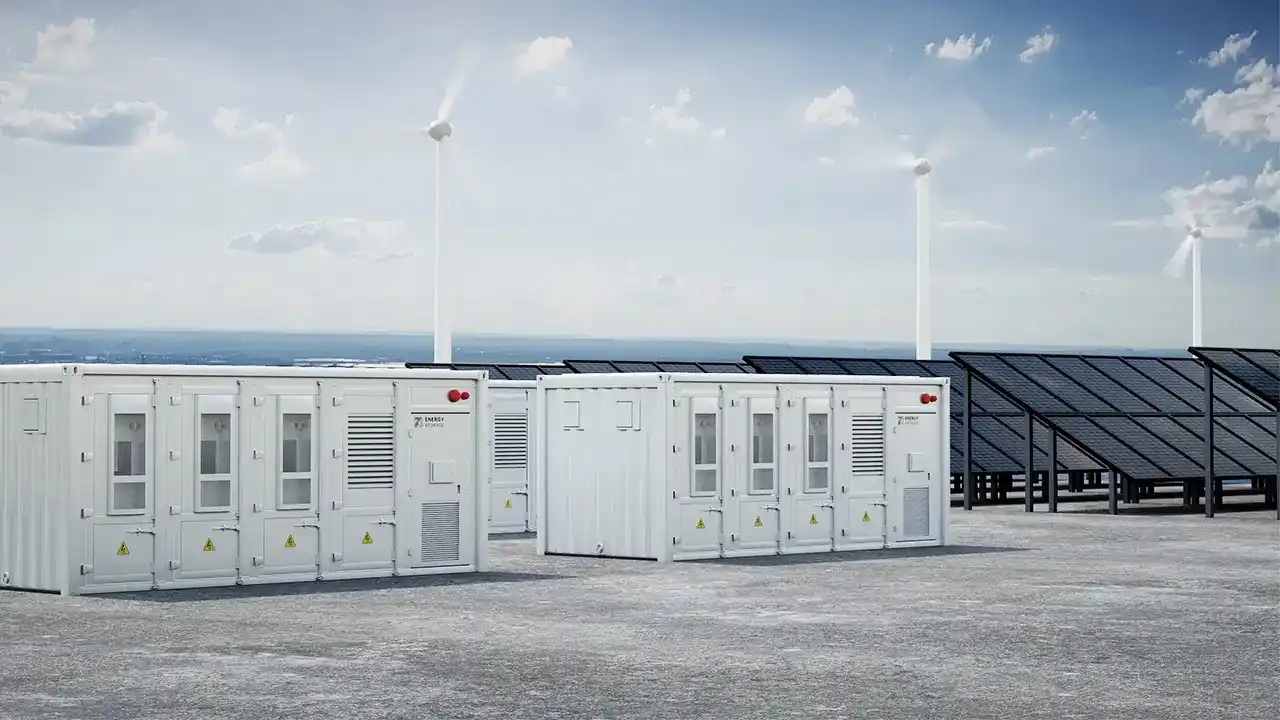
Solar panels should power the factory directly first. If there is extra solar power at midday, the battery can store it for evening cooling or production. The control system must also keep enough energy for the next expected peak or for emergency backup. Charging the battery from the grid at the wrong time can actually make the factory’s peak worse.
Look at the busy and quiet seasons separately. A fruit-processing factory may use far more power during harvest than during the rest of the year. One year of 15-minute readings helps prevent the battery from being sized from an unrepresentative month.
10. Cabinet or Containerized BESS for a Food Factory?
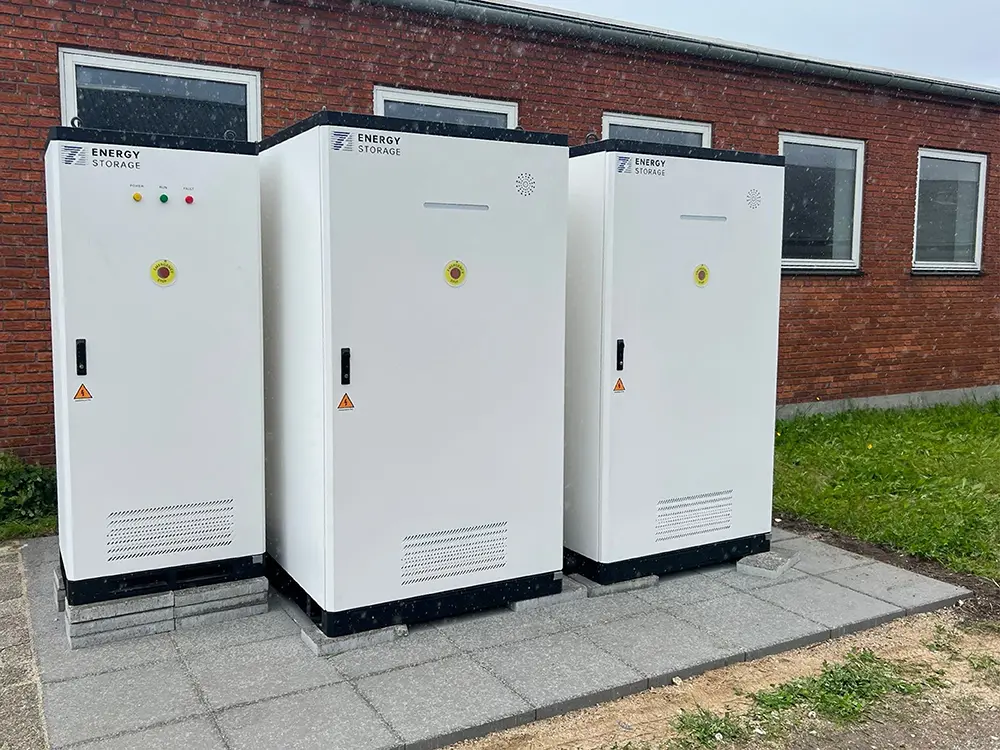
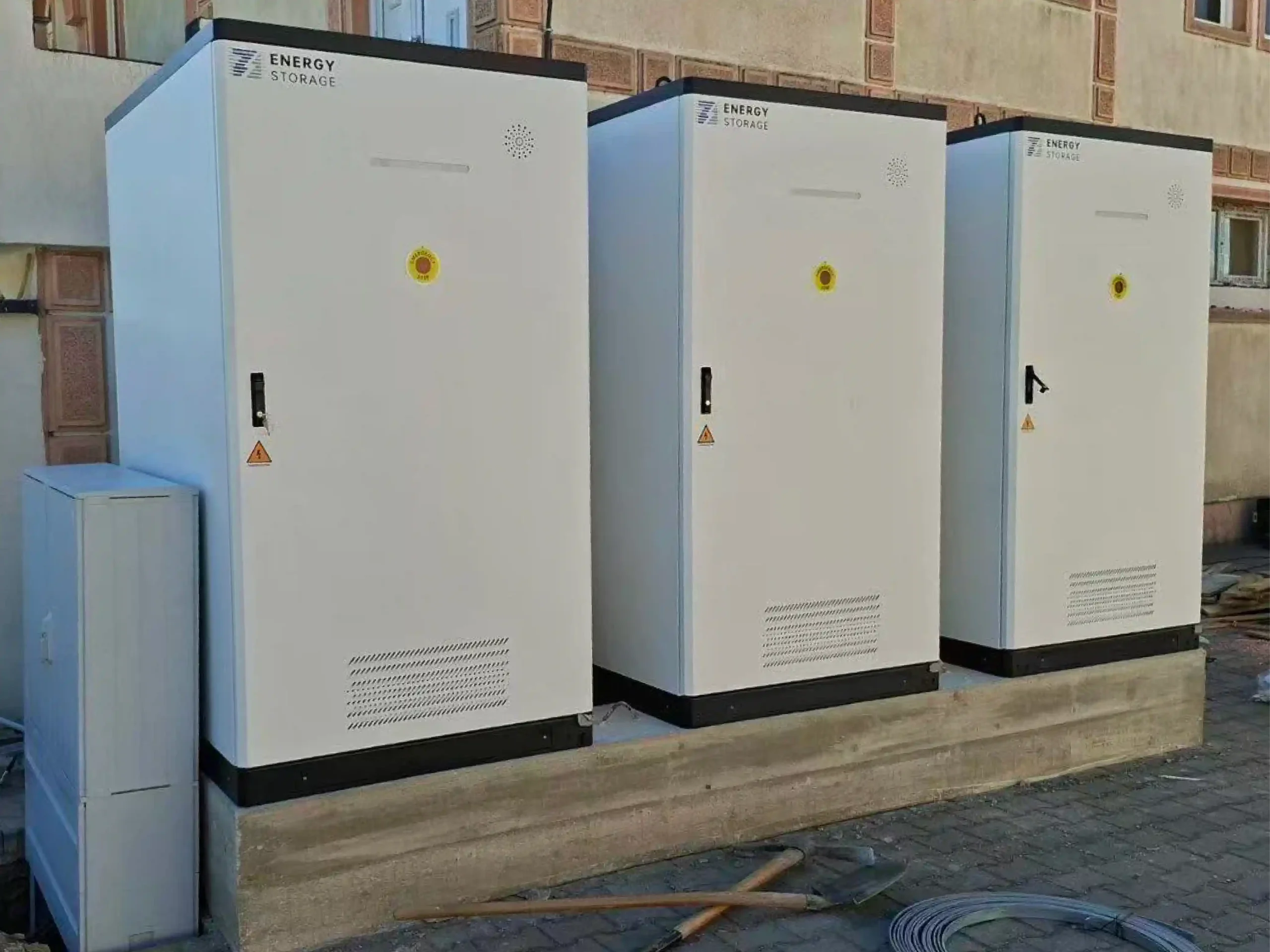
Battery cabinets are often easier to add in stages and may suit sites with limited space. Container systems are usually considered for larger projects where the factory wants the equipment grouped in one area. Neither option is automatically better.
The decision should consider:
- How much power and running time the factory needs
- Available outdoor or indoor space
- Distance from production and refrigeration equipment
- Fire-service access, safe separation distances and emergency plans
- Heat, cold, humidity, salt, dust and exposure to washdown water
- Noise limits near workers or neighboring properties
- Where the transformer is and how far the cables must run
- Maintenance access and future expansion
See Battery Storage Container vs Battery Storage Cabinet for a detailed enclosure comparison.
11. What Information Should a Food Plant Send to PVB?
A useful proposal starts with real factory information. One electricity bill cannot show whether high power use lasted 15 minutes or six hours, and that difference can completely change the battery size.
- At least 12 months of 15-minute load data, or the shortest interval available
- The electricity price plan, including any peak-power charge, and the factory’s grid limit
- The factory’s main electrical drawing and transformer size
- A list of large compressors, pumps and fans, including how they start
- Production, cleaning, defrost and maintenance schedules
- Solar-system size, hourly production and any limit on sending power to the grid
- A list of equipment that must stay on during an outage and the required runtime
- Details of any existing generator or UPS backup system
- Outage history and the plant’s estimated cost of downtime or product loss
- Site layout, installation environment and available equipment area
- The destination country and any known grid, permit or certification requirements
- Expected production expansion over the project life
What PVB’s first proposal should explain
- How much output power and storage capacity the factory needs
- How much of the stated capacity is actually usable now and near the end of the warranty
- How many cabinets or containers are proposed and whether more can be added later
- When the battery will charge, discharge and keep energy in reserve
- How often the battery is expected to run and how that fits the warranty
- Estimated savings, including electricity prices, normal losses and battery ageing
- Exactly which equipment will receive backup and what extra switching equipment is required
- Certification and technical documents for the exact proposed model
- Who will install, start, monitor and maintain the system
12. Why Choose PVB for a Food Processing BESS Project?
PVB is a good fit when a food factory wants a system based on its real operating data, not a quick quotation for a fixed number of cabinets. PVB can combine modular battery units, controls, monitoring and the documents needed for the chosen project.
| What the factory needs | What PVB can provide | What should be clear in the proposal |
|---|---|---|
| A battery that matches the real load instead of a standard package | Modular choices including the 100 kW/241 kWh air-cooled cabinet, the 422 kWh liquid-cooled system and larger systems made from several units | Total output power, usable storage, number of units, spare capacity and how the system can grow |
| One battery for peaks, solar energy and emergency reserve | A control plan based on the grid limit, solar production and backup needs | A plain written explanation of what the battery does on a normal day, during a peak and during an outage |
| An outdoor, hot, cold or humid installation | A cabinet and cooling method chosen for the site conditions | Allowed temperature and humidity, safety distances and maintenance needs for the exact model |
| Grid approval, permits and safety review | Technical documents prepared for the selected system | The certificates, reports and electrical information required in the destination country |
| Reliable operation after delivery | A clear plan for startup, monitoring and maintenance | Warranty limits, who receives alarms, spare parts and what happens when support is needed |
This does not mean every food factory needs the same PVB product. It means PVB can use the factory’s data to compare one cabinet, several cabinets or a larger system, then explain why the proposed option fits the business problem.
13. When Should a Food Plant Not Buy a BESS Yet?
- The plant has no interval data and cannot identify the peak duration.
- The savings calculation assumes a peak-power or time-based price that the utility does not actually charge.
- Most of the target load can be removed through maintenance or low-cost control changes.
- The supplier promises backup power but has not included the required switching and safety design.
- The plant expects the battery to run all refrigeration indefinitely during a long outage.
- There is no approved place to install the equipment or no clear route to grid approval.
- The return-on-investment calculation ignores normal energy losses, battery ageing, maintenance or future replacement.
In these situations, the next step is to measure the problem and compare options, not to place an order.
14. Conclusion
The right battery is the one that solves a measured factory problem at an acceptable cost. Refrigeration can make storage valuable, but it can also make an oversized system very expensive.
A food plant can reach a practical selection decision in five steps:
- Identify the problem: demand peaks, solar surplus, a grid limit, backup risk or a combination of these.
- Measure it: find out how much power is needed and for how long.
- Choose the backup loads: decide which refrigeration, control and safety equipment really needs to stay on.
- Check cheaper fixes first: compare maintenance, staggered machine starts, pre-cooling and better scheduling.
- Choose the product: compare PVB cabinets or a larger system only after the power, runtime, site and local approval needs are clear.
Why PVB: PVB can turn the factory’s real operating data into a clear system proposal instead of simply selling a standard cabinet. Send the information in Section 11 and ask PVB to show the recommended size, expected job, estimated savings, backup runtime and every important assumption.
Related PVB Guides
FAQ: BESS for Food Processing Plants
What size BESS does a food processing plant need?
There is no standard size for every food factory. The battery must be strong enough to support the chosen equipment and large enough to run it for the required time. Readings every 15 minutes help PVB calculate both numbers.
Can a BESS power a cold room during an outage?
Yes, if the battery and the factory’s electrical system are designed for backup. The factory must decide which compressors, fans, pumps and controls need power and how long they must run.
Can battery storage reduce refrigeration demand charges?
Yes. When refrigeration pushes factory power use above a chosen limit, the battery can supply the difference. Savings depend on how the utility charges, how high the peak is and how long it lasts.
Should a food plant use battery storage or thermal storage?
A battery can support many kinds of electrical equipment. Pre-cooling, chilled water or ice storage only helps with cooling, but it may cost less for long refrigeration peaks. Many cold-storage sites should compare a combination of both.
Can BESS replace a diesel generator at a food factory?
Sometimes, especially for short outages. For long outages, a battery may work better together with a generator. The decision depends on outage length, the equipment that must start and local electrical rules.
Why are 15-minute load data important for food plant BESS sizing?
A monthly bill may show the highest peak but not how long it lasted. Readings every 15 minutes show whether the battery needs to support the factory for 15 minutes, one hour or several hours.
Which food factory loads should receive backup first?
Start with controls, alarms, selected refrigeration, cold-room fans, essential pumps, safety lighting and equipment needed for a safe shutdown. The factory’s operations and food-safety teams should approve the final list.
Can rooftop solar charge a food processing BESS?
Yes. The battery can store solar power that the factory does not need at midday and use it later. The control system should still keep enough energy for the next peak or emergency reserve.
What should a food processing plant send PVB for a proposal?
Send 15-minute power data, electricity prices, transformer and grid limits, a list of large equipment, production schedules, solar information, required backup loads, outage history and installation-site details.
- BESS
- Battery Energy Storage System — the whole system, not just the battery cells.
- PCS
- Power Conversion System — the unit that turns battery DC power into the AC power your machines use.
- EMS
- Energy Management System — the “brain” that decides when to charge and discharge.
- BMS
- Battery Management System — the safety layer that monitors and protects the cells.
- SOC
- State of Charge — how full the battery is, as a percentage.
- Demand charge
- A fee based on your highest power draw in a billing period, not your total energy use.
- Peak shaving
- Discharging the battery during a demand spike to keep your grid draw under a limit.
- Islanding
- Running on the battery (and/or generator) while disconnected from the grid.
- VFD
- Variable Frequency Drive — a control that ramps a motor up or down to soften starting surges.
- 15-minute data
- Your power draw recorded every 15 minutes, which reveals how long each peak lasts.
Sources and Further Reading
- U.S. Department of Energy – Food and Beverage Products (accessed August 25, 2026).
- ENERGY STAR – Energy Efficiency in Fruit and Vegetable Processing (accessed August 25, 2026).
- ENERGY STAR – Energy Efficiency Improvement and Cost Saving Opportunities for the Fruit and Vegetable Processing Industry (accessed August 25, 2026).
- U.S. DOE Better Plants – Industrial Refrigeration (accessed August 25, 2026).
- California Energy Commission – Flexible Demand Response for Industrial Food Refrigeration (accessed August 25, 2026).
- Lawrence Berkeley National Laboratory – Refrigerated Warehouse Demand Response Strategy Guide (accessed August 25, 2026).
- PVB – How to Size a C&I Battery Storage System Using 15-Minute Load Data (accessed August 25, 2026).
- PVB – 422 kWh Liquid Cooling Energy Storage System (accessed August 25, 2026).